Beginner’s Guide To Axolotl Care And Why They Are Easier To Keep Than You Think
This article is an English translation of the original Japanese article. Read the original Japanese version.
With their permanent smile and feathery gills, axolotls look exotic, but they are surprisingly manageable for dedicated pet parents. Learn how to set up the right tank, keep their water safe, and support a long, healthy life for this unique aquatic amphibian.
Key takeaways
Q. Are axolotls easy pets to keep for beginners?
As long as you manage water temperature and quality and feed properly, axolotls are relatively easy pets even for beginners.
Q. What is the minimum setup needed to keep an axolotl?
Prepare a 30–45 cm tank with a filter, keep water at 18–22°C using a cooling fan if needed, and add shelters as appropriate.
Q. What should I do to help my axolotl live a long life?
Prevent poor water temperature and quality, check appetite and gill condition daily, avoid frequent bare-hand contact, and prevent sudden temperature changes.
Thinking about bringing home an axolotl but worried they might be difficult to care for? Although they are unusual amphibians, axolotls are often considered beginner friendly for pet parents who are willing to learn the basics of aquatic care and commit to regular maintenance.
This guide walks you through what axolotls are, how to set up their habitat, what to feed them, and how to help them live longer, healthier lives.
What Kind Of Animal Is An Axolotl
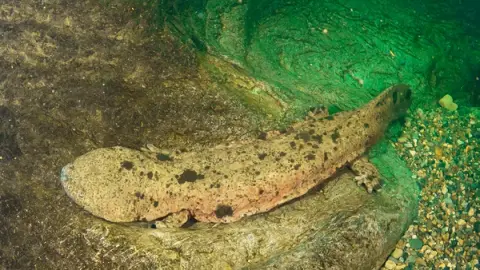
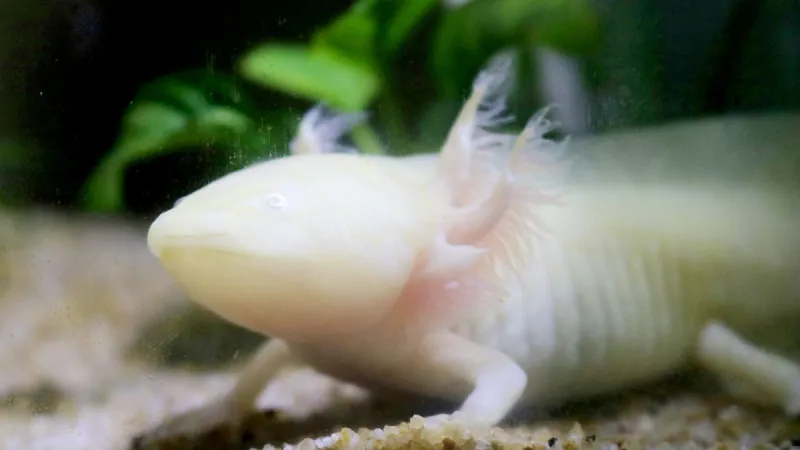
The pet commonly called a "axolotl" is a type of aquatic salamander officially known as the Mexican salamander or Mexican walking fish, and is also referred to by its scientific name Ambystoma mexicanum. Despite the nickname, it is not a fish at all but an amphibian native to lakes in Mexico.
One of the most fascinating traits of axolotls is that they remain in a larval, fully aquatic form for their entire lives. Instead of transforming into a land-dwelling adult, they keep their external, feathery gills and live underwater. Their wide, smiling faces and gentle expressions make them especially charming to many pet guardians.
Axolotls also come in a variety of colors and patterns, including white, dark (wild-type), albino, and golden morphs. Simply watching them drift around the tank or rest on the bottom can be surprisingly calming and therapeutic.
Setting Up The Right Axolotl Habitat
Before you bring an axolotl home, you will need to prepare a suitable aquarium. Experts generally recommend a 30 to 45 cm (roughly 10 to 20 gallon) tank for a single axolotl, giving them enough room to move comfortably and maintain stable water conditions.
A reliable filtration system is strongly recommended to help keep the water clean. Axolotls do not appreciate strong currents, so choose a filter with adjustable flow or use baffles to soften the water movement.
When it comes to the tank bottom, some guardians use fine sand, while others prefer a bare-bottom setup. Because axolotls may accidentally swallow gravel, avoid any substrate that is small enough to be ingested. If you decide to go bare-bottom, be aware that waste will be more visible, and you will need to be especially diligent about cleaning and water quality.
Temperature And Lighting
Axolotls are very sensitive to water temperature. Most experts recommend keeping the water around 18 to 22 °C (64 to 72 °F). Temperatures that are consistently too warm can stress your axolotl and increase the risk of illness.
In warmer months, you may need aquarium cooling fans or a dedicated chiller to prevent overheating. Monitoring the temperature with a reliable aquarium thermometer is essential for day-to-day care.
Bright lighting is not a requirement for axolotls, and many individuals actually prefer dimmer environments. However, soft, gentle lighting can make it easier for you to observe their condition and enjoy their natural behavior. Providing hides, caves, or pieces of driftwood gives your axolotl places to retreat and feel secure, which can help reduce stress.
Feeding Your Axolotl And Managing Water Quality
A balanced diet and clean water go hand in hand for axolotl health. Many experienced keepers and aquatic veterinarians recommend frozen bloodworms and high-quality commercial pellets formulated for carnivorous aquatic species as staple foods.
Young, growing axolotls typically eat once a day, while healthy adults usually do well with feeding every two to three days. Adjust the amount based on your individual’s body condition and appetite, aiming for a well-rounded, not overly thin or bloated, appearance.
Any uneaten food should be removed promptly, as it quickly breaks down and pollutes the water. Even with a good filter, partial water changes once or twice a week are strongly recommended to maintain a stable, clean environment.
If you use tap water, always treat it with a water conditioner that removes chlorine and chloramine before adding it to the tank. Many pet guardians also rely on basic water test kits to monitor parameters such as ammonia, nitrite, nitrate, and pH, which can provide early warning signs of water quality problems.
Preventing Illness And Helping Your Axolotl Live Longer
Axolotls are generally hardy when kept in the right conditions, but stress and poor water quality are major risk factors for disease. Pet parents should watch for warning signs such as shrinking or damaged gills, skin irritation or sores, and unusual floating or sinking behavior.
In many cases, temperature issues or deteriorating water quality are at the root of these problems. Regularly checking whether your axolotl is eating well, swimming normally, and maintaining full, healthy-looking gills with good color can help you catch issues early.
To reduce stress, avoid handling your axolotl with bare hands whenever possible. Their skin and gills are delicate, and unnecessary handling can cause injury or introduce contaminants. Sudden changes in water temperature or chemistry should also be avoided; make any adjustments gradually.
With consistent, attentive care, many axolotls can live 10 years or more, and some guardians report even longer lifespans. A stable environment, appropriate diet, and early intervention when problems arise are key to supporting long-term health.
Why Axolotls Can Be A Great Choice For New Aquatic Pet Parents
Beyond their adorable appearance, axolotls appeal to many first-time aquatic pet guardians because they are relatively straightforward to keep once you understand their needs. The initial setup may feel a bit technical, but once your tank is established, daily care often becomes a simple, enjoyable routine.
If you focus on three core habits your axolotl care will be much easier:
- Check water temperature and water quality regularly so you can correct problems before they affect your axolotl.
- Keep the environment clean with appropriate filtration and consistent partial water changes.
- Offer the right amount of suitable food on a regular schedule, removing leftovers promptly.
When these basics are in place, axolotls tend to be calm, low-activity companions whose gentle swimming and curious, watchful expressions can be deeply soothing to observe.
Enjoying A Calming Life With Your Axolotl
Welcoming an axolotl into your home is an opportunity to create a peaceful, fascinating underwater world and build a long-term bond with a truly unique amphibian. By investing in a proper setup, staying attentive to water conditions, and feeding thoughtfully, you give your axolotl the best chance at a long, comfortable life.
Take your time learning their habits, observe them quietly, and adjust your care as you get to know their individual personality. With patience and consistency, your axolotl can become a cherished part of your daily routine and a gentle reminder to slow down and enjoy the simple moments.
- 03.20.2026
- 04.08.2025