Living With Cat Allergies Without Giving Up Cats Five Low Allergen Breeds And Smart Lifestyle Strategies
This article is an English translation of the original Japanese article. Read the original Japanese version.
Love cats but struggle with sneezing, itchy eyes, or congestion every time you get close. Discover low allergen cat breeds and vet‑informed home strategies that can significantly reduce symptoms so you can pursue life with a feline companion more comfortably.
Key takeaways
Q. What characteristics do cat breeds that are easier to keep for people with cat allergies have?
They either produce less allergen protein or have coat structures with less shedding, so hair and dander spread less.
Q. What daily practices are recommended as countermeasures for cat allergies?
Use allergen-reducing cat food, keep air clean with purifiers and cleaning, and maintain the cat’s hygiene with brushing and wiping.
Q. What preparations should people with cat allergies make before adopting a cat?
Get allergy testing to confirm severity and check your reaction by meeting the breed in advance or doing a trial co-living period.
Even if you live with cat allergies, you do not necessarily have to give up on sharing your home with a feline companion. With evidence‑based knowledge and a few smart habits, many pet parents are able to enjoy a calm, happy life with their cats while keeping symptoms manageable.
This guide explains what really causes cat allergies, highlights cat breeds that tend to produce fewer allergens, and shares practical lifestyle strategies that allergy specialists and veterinarians often recommend.
Why Cat Allergies Happen The Real Culprit Behind Your Symptoms
Many people assume that cat hair itself causes their allergy symptoms. In reality, the main trigger is not the fur, but a specific protein that ends up on the fur.
Cats produce a glycoprotein called Fel d 1 in their saliva and from their sebaceous (skin) glands. Because cats are meticulous groomers and spend a large portion of the day licking their coat, this protein is spread across the fur and skin.
As the saliva dries, tiny particles of Fel d 1 and dander (dead skin flakes) become airborne. These microscopic particles are easily inhaled or come into contact with the eyes and nasal passages, where they can trigger an allergic response in sensitive people.
Fel d 1 is extremely small and light, which means it can remain suspended in the air for long periods and settle into fabrics, carpets, and furniture. Simple ventilation alone usually cannot remove it completely.
This is why fur length by itself is not the decisive factor. What matters more is how much Fel d 1 a cat produces and how easily that allergen spreads into the environment.
What Makes A Cat Easier For Allergy Sufferers To Live With
To reduce allergic reactions, experts generally focus on two key factors.
First, some cats naturally produce lower amounts of Fel d 1. This is a biological or genetic trait and can vary between breeds and even between individual cats.
Second, certain coat types tend to shed less or trap allergens more effectively, which can reduce how much allergen becomes airborne in your home.
Cats that meet one or both of these conditions are often described as hypoallergenic or low allergen. While no cat is completely non‑allergenic, these cats can significantly lower your exposure to Fel d 1, making day‑to‑day life more comfortable for many allergy‑prone pet guardians.
Low Allergen Cat Breeds To Consider If You Have Allergies
Below are several cat breeds frequently recommended for people with mild to moderate cat allergies. Individual reactions still vary, so always test your response to a specific cat before committing.
Siberian The Long Haired Miracle From Russia
The Siberian is a striking long‑haired cat developed in the harsh climate of Russia. At first glance, its luxurious coat might seem like the worst match for allergy sufferers.
However, research and breeder observations suggest that many Siberians produce notably lower levels of Fel d 1 in their saliva compared with the average cat. Because of this, they are often referred to as a "miracle" or "low allergen" long‑haired breed.
Behind their glamorous appearance, Siberians are typically loyal, intelligent, and often compared to dogs in their devotion to their pet parents. For some allergy‑sensitive households, they offer the rare combination of a plush coat and relatively manageable allergen levels.
Russian Blue A Refined Companion With A Dense, Low Scatter Coat
The Russian Blue is known for its short, plush silver‑blue coat and vivid green eyes. Their fur is a double coat, with both an undercoat and a topcoat, but the hairs are very dense and stand close to the body.
Because the coat is so thick and fine, loose hairs tend to stay within the coat rather than drifting through the air. This structure can help reduce the spread of allergen‑coated hair and dander around your home.
Russian Blues are typically quiet, gentle, and deeply bonded to their guardians. They are sometimes called voiceless cats because they vocalize softly and infrequently, which can make them especially suitable for apartment living.
Balinese The Long Haired Relative Of The Siamese
The Balinese is often described as a long‑haired Siamese, sharing the same elegant body type and color‑point pattern but with a silky, flowing coat.
Some Balinese lines have been reported to produce less Fel d 1 than the average cat, making them a popular option for allergy‑sensitive pet parents who love the Siamese personality but prefer a breed that may be easier to live with.
Balinese cats are typically intelligent, active, and very people‑oriented. Many enjoy close contact, such as perching on their guardian’s shoulder, and they often form strong emotional bonds with their families.
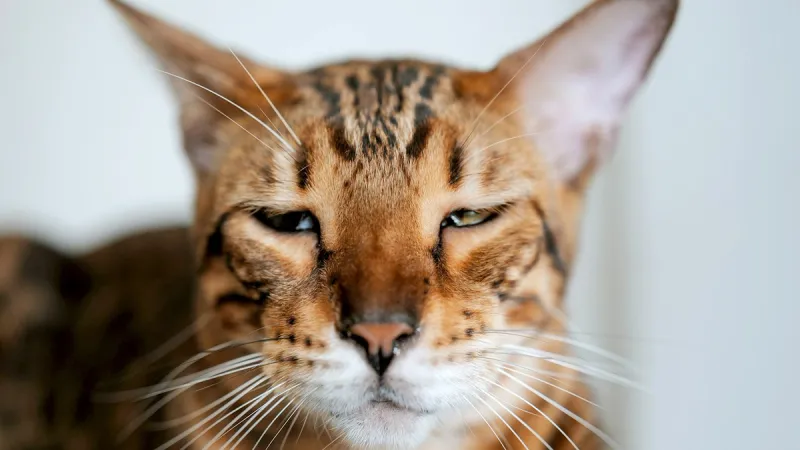
Bengal Wild Looks With A Surprisingly Practical Coat
The Bengal’s dramatic spotted or marbled coat gives it a wild, jungle‑cat appearance, but its grooming needs and shedding level can be quite manageable.
Bengals have a short, sleek coat that often feels like silk. They tend to shed less than many other breeds, and their smooth fur does not trap as much saliva as a dense or woolly coat might. As a result, less allergen‑coated hair may circulate in the environment.
Many Bengals also enjoy water, which can make regular bathing more feasible than with cats that dislike getting wet. When done correctly and with cat‑safe products, bathing can help rinse away surface allergens and support your overall allergy management plan.
Sphynx The Hairless Cat With Special Skincare Needs
The Sphynx is the most famous hairless cat breed. Because they lack a traditional coat, they do not shed fur that can carry Fel d 1 into the air.
However, Sphynx cats still produce skin oils and Fel d 1, just like other cats. Without fur to absorb these oils, they tend to accumulate on the skin’s surface. This means regular skin care is essential.
Many guardians of Sphynx cats establish a routine of gentle baths or careful wiping with a damp cloth or pet‑safe wipes. This helps remove excess oils and surface allergens, keeping the cat’s skin healthy and reducing allergen buildup on bedding and furniture.
Everyday Habits That Help Reduce Cat Allergens At Home
Choosing a low allergen breed is only part of the solution. Consistent environmental management can make a major difference in how you feel.
One of the most powerful tools is nutrition. In recent years, specialized cat foods have been developed that include egg‑derived proteins designed to neutralize Fel d 1 in the cat’s saliva. Studies suggest that, when fed as the primary diet, these formulas can reduce the active allergen that ends up on the coat.
By supporting your cat’s overall health while also targeting the allergen at its source, these diets can be a valuable part of a comprehensive allergy strategy for some households.
Loading...
Environmental control is equally important. Consider investing in high‑efficiency air purification, especially in rooms where you spend the most time, such as the bedroom and living room.
Air purifiers equipped with HEPA filters are designed to capture very fine particles, including many allergen‑carrying dander fragments. While no device can remove every allergen, they can help lower the overall allergen load in the air.
Soft furnishings like curtains, fabric sofas, and carpets tend to trap allergens. To keep levels down, you can:
- Wash curtains, cushion covers, and blankets frequently in hot water when fabric care instructions allow
- Vacuum carpets and rugs regularly with a vacuum that includes a HEPA filter
- Consider switching to leather or faux‑leather furniture and hard flooring where practical
Direct care of your cat’s coat and skin also plays a major role. Regular brushing helps remove loose hair before it spreads throughout your home.
Whenever possible, have a non‑allergic family member brush the cat outdoors or in a very well‑ventilated area. This simple change can prevent a large amount of allergen from becoming concentrated inside.
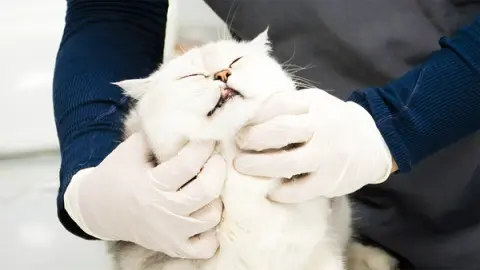
In addition, gently wiping your cat’s coat with a damp cloth or pet‑safe grooming wipes can help remove dried saliva and skin oils from the fur. This supports both coat cleanliness and allergen reduction.
Preparing Before Adoption Medical Testing And Trial Periods
Welcoming a cat into your home is a long‑term commitment to that animal’s health and wellbeing. To avoid the heartbreaking situation of having to rehome a cat due to severe allergies, thorough preparation before adoption is essential.
Start by speaking with a healthcare professional about your allergy history. Formal allergy testing can help determine how sensitive you are to cat allergens and whether you are at risk for serious reactions such as anaphylaxis.
If testing shows that your reactions are severe, even low allergen breeds may not be safe for you. In that case, your medical team may advise against living with a cat in the same home.
Loading...
If your healthcare provider feels that living with a cat might be possible, the next step is controlled exposure. Many shelters, rescue groups, and reputable breeders allow potential adopters to spend time with specific cats or breeds before making a decision.
Begin with short visits and carefully monitor your symptoms during and after each interaction. Some organizations also offer trial or foster‑to‑adopt periods, during which you can temporarily live with the cat.
These trial arrangements are valuable for assessing not only whether the cat adjusts well to your home, but also whether your body can tolerate daily exposure. Using this time wisely helps protect both your health and the cat’s future.
Moving Forward Finding A Sustainable Partnership With Your Cat
Cat allergies can feel like an invisible barrier between you and the companionship you long for. Yet for many people, the right combination of breed choice, medical guidance, and home management makes shared life with a cat genuinely achievable.
By seeking out cats that tend to produce fewer allergens, using advances in nutrition and environmental control, and approaching adoption with careful planning, you give yourself and your future feline companion the best chance at a stable, loving home.
Armed with accurate information and support from both veterinary and human healthcare professionals, you can move forward thoughtfully and confidently. When you are ready, take the time to meet different cats, listen to your body’s responses, and choose the partner who fits both your heart and your health.
- 03.20.2026
- 03.09.2026