Mongolian Dogs Explained The Truth Behind the Internet Famous Flat Dog and the Breeds Bankhar and Taiga
This article is an English translation of the original Japanese article. Read the original Japanese version.
A mysteriously flat dog from a ROF-MAO Mongolia video sent social media into a frenzy. Discover who this dog really is, how Mongolian Bankhar and Taiga dogs evolved alongside nomadic life, and why experts are now racing to protect these rare native breeds.
What Pet Parents Should Know About So Called Mongolian Dogs
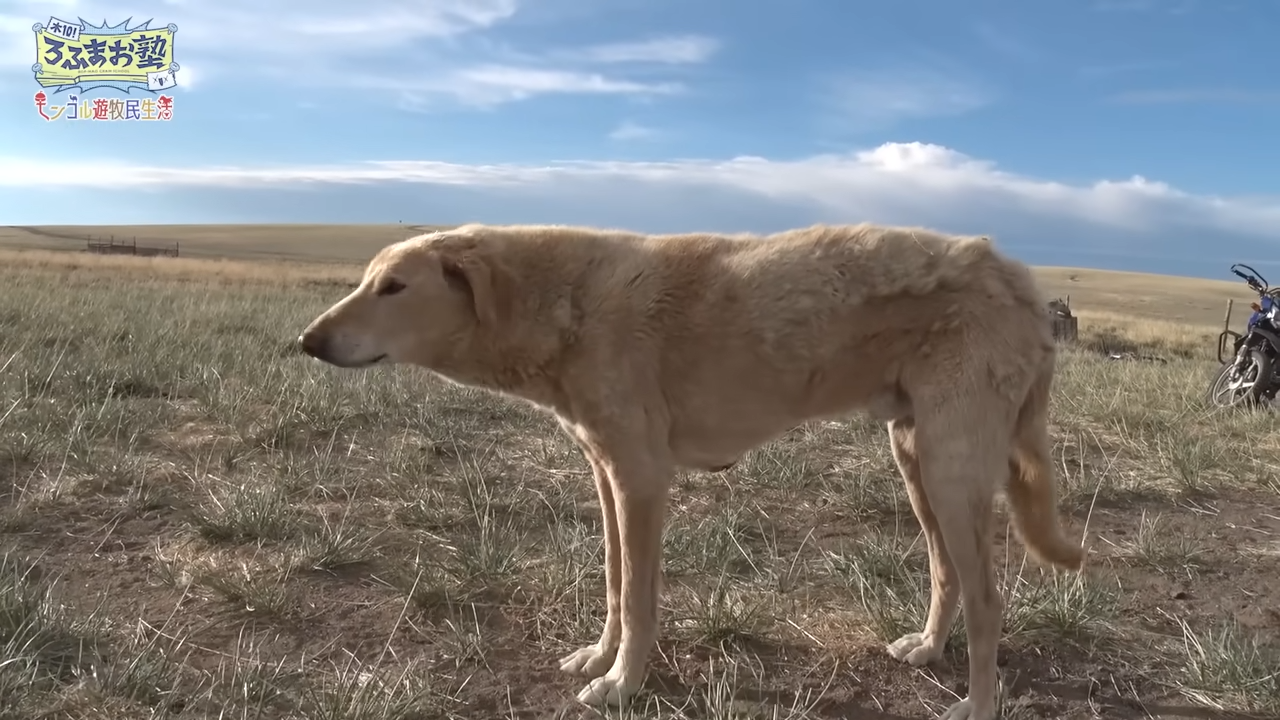
When a YouTuber group from NIJISANJI, ROF-MAO, filmed on location in Mongolia, one unexpected star stole the show. A dog lying so incredibly flat on the ground that viewers started calling it simply the flat Mongolian dog, and clips of this moment quickly spread across social media.
Behind this viral moment is a fascinating story about Mongolia’s native dogs. In everyday conversation, many people lump them together as Mongolian dogs, but there are actually distinct landrace types that have developed over centuries alongside nomadic herders.
Internationally, two Mongolian native dog types are currently recognized by local kennel organizations:
- Mongolian Bankhar (often written as Mongol Bankhar or Mongolian Bankhor)
- Mongolian Taiga
Neither has yet been registered as an official breed with the FCI (Fédération Cynologique Internationale). However, the Mongolian Kennel Federation (MKF) recognizes both as representative native dogs of Mongolia, and conservation work is underway to protect and standardize them.
Unlike many modern purebred dogs that were refined for dog shows in Europe, Bankhars and Taigas are landraces. This means they were shaped over long periods by natural selection and practical breeding choices made by herders, not by strict show ring standards. As a result, there is more visible variation in size, coat, and overall appearance than pet parents might expect from typical registered breeds.
Mongolian Bankhar The Traditional Livestock Guardian Dog
The Mongolian Bankhar is a classic livestock guardian dog that has lived alongside nomadic herders for hundreds of years. Their primary job is to protect sheep, goats, and other livestock from wolves, thieves, and other threats on the open steppe.
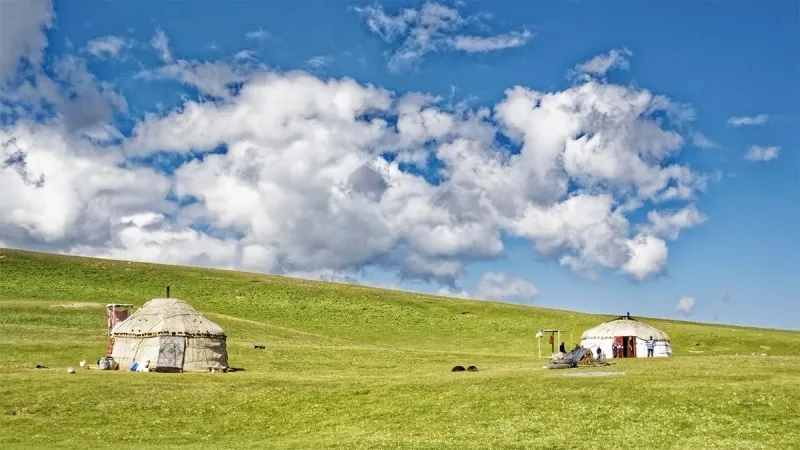
Bankhars traditionally live near the family’s ger (yurt like mobile home) and move with the herd across the grasslands. Over generations, herders have selected dogs that are calm around their animals and families, yet highly responsive and courageous when danger appears.
Because livestock guardian dogs must work independently in vast open spaces, Bankhars are known for their intelligence and strong decision making skills. They are expected to notice changes in their environment, assess potential threats, and act without constant human direction.
Physical Characteristics of the Mongolian Bankhar
The Mongolian Bankhar is a large, strongly built dog. Within the world of livestock guardians, they may look a bit more streamlined than some of the heaviest types such as the Tibetan Mastiff or certain Caucasian guardian dogs, but they are still powerful, substantial animals.
Key features commonly described by Mongolian and international experts include:
- Height
- Males approximately 71–84 cm at the shoulder
- Females approximately 66–74 cm at the shoulder
- Weight
- Males approximately 39–57 kg
- Females approximately 36–41 kg
- Coat
- A thick double coat that offers strong protection against cold, dry, and windy conditions
- Coat Colors
- Black, reddish brown, black and tan, pale fawn, and other variations
- A distinctive pattern called four eyes, where small tan spots appear above the eyes, is frequently seen
- Ears
- Medium to small drop ears
- Tail
- A bushy tail that may curl over the back or hang down when relaxed
Bankhars often have a serious, alert expression, but their temperament with their own family and herd is typically gentle, loyal, and steady. They tend to show strong wariness and defensive behavior only toward perceived intruders or predators, which is exactly what makes them effective guardians.
For modern pet guardians, this means that a Bankhar type dog usually does best in experienced hands, with plenty of space, clear boundaries, and a lifestyle that respects their working instincts.
Mongolian Taiga The Sprinting Hunting Dog of the Eastern Steppe
While the Bankhar is the classic guardian of the herd, the Mongolian Taiga represents a different side of nomadic life. This landrace developed mainly in eastern Mongolia, including regions such as Khentii and Dornod, where hunting has long been part of local survival.
Taiga type dogs have traditionally helped hunters pursue foxes, hares, and other small game across open terrain. Their role is to use speed and agility to chase down and capture prey, often over long distances and in harsh weather.
In terms of body type, the Taiga is noticeably slimmer and longer legged than the Bankhar. Many experts describe them as similar in function to sighthounds, adapted to Mongolia’s unique climate and landscape.
Physical Characteristics of the Mongolian Taiga
The Mongolian Taiga is built for speed and efficient movement. Compared with the heavier Bankhar, Taigas are lighter, more aerodynamic, and clearly optimized for sprinting and quick turns.
Commonly reported traits include:
- Coat
- Short to medium length coat
- Skin tends to be relatively thin compared with heavy guardian breeds
- Body Type
- Slim, athletic build with a somewhat deep chest
- Strong abdominal tuck, giving a lean, race ready outline
- Limbs
- Long, fine but powerful legs with strong drive off the ground
- Ears
- Ear carriage can vary from fully erect to semi drop, reflecting their landrace status
- Coat Colors
- Beige, brown, black, and other shades are all seen
Overall, the Taiga’s body is designed for short bursts of high speed and agile maneuvering, while still maintaining enough stamina to work in cold, open country. Despite having a shorter coat than the Bankhar, they can tolerate low temperatures reasonably well, especially when acclimated and properly cared for.
For pet parents, it is important to understand that a Taiga type dog is likely to have strong prey drive, high energy, and a need for regular, structured exercise. They are not typically suited to a sedentary indoor only lifestyle.
Was the Viral Flat Mongolian Dog Actually a Taiga
Many viewers who watched the ROF-MAO Mongolia video became fascinated by the remarkably flat dog resting on the ground near the crew. Based on visible traits and body type, the dog in the video appears to be a somewhat senior Mongolian Taiga type.
However, when people searched online for Mongolian Taiga, they often found photos of dogs that looked nothing like the flat dog from the video. This led to confusion and debate about what the dog really was.
Current research and field observations suggest several reasons for these differences.
Large Individual Variation in a Landrace Population
Both the Mongolian Bankhar and Mongolian Taiga are landraces rather than tightly standardized show breeds. For generations, herders and hunters bred dogs primarily for function in their specific region, not for identical appearance.
Because of this, individual variation in size, coat length, ear shape, and overall outline is expected. In recent years, some groups have begun working toward clearer breed standards, but this process is still developing.
The ROF-MAO filming took place near the Gobi Desert, an area where working dogs may be less influenced by modern urban breeding programs. In such regions, pet guardians and researchers often encounter a wider range of body types that still fall within the broader Mongolian dog population.
As standardization progresses, it is likely that the official image of the Mongolian Taiga will lean more toward a sleek, sighthound like hunting dog, rather than the ultra flat, relaxed posture that made the viral dog so memorable.
Possible Mixing With Outside Dog Populations
Around the Gobi and border regions, dogs from neighboring countries such as Russia and China can enter and interbreed naturally with local Mongolian dogs. Over time, this can introduce new coat types, colors, or body shapes.
From a genetic perspective, this kind of mixing is common in working landraces worldwide. For observers, it means that some dogs in Mongolia may not immediately look like the emerging standard images of Bankhar or Taiga, even if they are locally considered part of the same functional group.
Flexible Use of Names in Everyday Conversation
On the ground in Mongolia, the terms Mongolian Bankhar and Mongolian Taiga are not always used in a strict, pedigree based way. In some communities, people may use these names more broadly to refer to Mongolian native dogs in general, especially when speaking with visitors.
This flexible labeling can add another layer of confusion for international pet parents trying to match a specific dog from a video or photo to a precise breed name. When in doubt, it is often more accurate to think in terms of function and region rather than expecting show breed level uniformity.
The Future of Mongolian Dogs Conservation and Standardization
In recent years, interest in preserving Mongolia’s native dogs has grown both within the country and internationally. Researchers, herders, and dog experts are increasingly aware that uncontrolled crossbreeding and urbanization could erode these unique landraces if no action is taken.
For the Bankhar, several projects now focus on DNA research, population surveys, and structured breeding programs. Some initiatives aim to support traditional herding communities by providing well bred guardian dogs, which can reduce livestock losses and decrease conflict with wildlife.
At the same time, preparations are underway to pursue FCI recognition for the Bankhar as an official breed. This process typically involves documenting history, establishing a clear standard, and demonstrating a stable breeding population.
The Taiga has also been formally recognized as a domestic breed by the Mongolian Kennel Federation (MKF). As awareness grows and more data are collected, experts expect that international recognition and clearer standards for the Taiga will follow, helping to protect this hunting landrace from disappearing or being absorbed into more common types.
For global pet guardians, supporting reputable conservation projects, avoiding impulse imports, and seeking accurate information from recognized organizations are key steps to helping these dogs thrive without turning them into short lived fads.
Appreciating Mongolian Dogs and the Culture That Shaped Them
Mongolia’s native dogs are living proof of how harsh natural environments and nomadic culture can shape canine evolution. The powerful Bankhar stands watch over livestock and families, while the swift Taiga races across the steppe in pursuit of game. Each type reflects a specific role, forged by generations of partnership between humans and dogs.
Today, these dogs continue to work as true partners rather than purely as companions or show animals. Understanding their background helps pet parents appreciate why they are so independent, resilient, and function driven.
If you are fascinated by the viral flat Mongolian dog or intrigued by rare native breeds, consider taking the next step. Learn more from reputable Mongolian organizations, support ethical conservation efforts, and share accurate information when you talk about Bankhars, Taigas, and other landrace dogs.
By looking beyond the meme and into the history, culture, and science behind these dogs, pet guardians everywhere can help ensure that Mongolia’s unique canine heritage is respected, protected, and better understood for generations to come.
- 03.03.2026
- 09.01.2025