How To Spot Your Boss Cat And Keep Multi Cat Homes Peaceful

This article is an English translation of the original Japanese article. Read the original Japanese version.
Cats may look independent, but many quietly build complex social hierarchies at home. Learn how to recognize your household’s boss cat, choose compatible companions, and support a calm, low stress multi cat life for every feline under your roof.
Key takeaways
Q. How can I identify a boss cat by its personality and behavior?
A boss cat is usually calm and confident, prefers prime spots, and tends to use food, water, and other resources before other cats.
Q. What type of cat is compatible with a resident boss cat in multi-cat households?
A calm follower-type cat with modest self-assertion that can read the atmosphere and live at its own pace tends to match well with a boss cat.
Q. What ranking rules should owners follow for the boss cat in multi-cat households?
Always prioritize the boss cat first for meals, greetings, and play, and avoid disturbing the established feline hierarchy.
Understanding the Boss Cat in Your Home
Many people assume cats are strictly solitary, but research and everyday observation show that they can be highly social and adaptable. In indoor multi cat homes, cats often form a small, structured community with clear rules and a subtle hierarchy.
At the center of that hierarchy is often a “boss cat” or natural leader. Recognizing this role and supporting it appropriately can help pet parents maintain a more peaceful, low stress environment for all their cats.
Personality Traits and Behaviors of a Boss Cat
When you hear “boss cat,” you might picture a pushy, aggressive cat that bullies others. In reality, true leader type cats are usually calm, confident, and emotionally stable, not constantly picking fights.
These cats tend not to overreact to small noises or sudden movements from other cats. Instead, they share the space with a steady, grounded presence, moving slowly and confidently rather than darting around nervously.
A strong sense of territory is another hallmark of a boss cat. They often choose and consistently occupy prime locations in the home, such as the top perch of a cat tree with a full view of the room or the most comfortable spot in the middle of the sofa. When new furniture appears or unfamiliar visitors arrive, the boss cat is often the first to investigate, as if “patrolling” to confirm that the environment is safe for the group.
Boss cats also tend to claim priority access to valuable resources. They may be the first to eat fresh food, drink from a newly filled water bowl, or use a freshly cleaned litter box. This is not simply being spoiled; it is a natural way of signaling their higher status to the other cats.
When the follower cats quietly wait their turn and accept this pattern without protest, it is usually a sign that the group’s hierarchy is stable and that serious conflict is unlikely.
Is Your Cat a Natural Leader
To identify which of your cats has leader potential, pay attention to their everyday body language and movement. One of the clearest indicators is how they walk and how they carry their tail.
Boss cats often move with their back straight and their tail held high and firm, walking slowly and deliberately through the room as if they own the space. In contrast, cats that keep their bodies lower and their tails down or slightly tucked are often signaling that they are yielding status to others.
Passing behavior in tight spaces can also reveal a lot. In a narrow hallway or doorway, a leader type cat will continue straight ahead without stepping aside, expecting others to move out of the way. Follower cats are more likely to pause, step back, or quickly slip past, quietly acknowledging the other cat’s higher rank without open conflict.
Grooming interactions offer another important clue. Mutual grooming between cats, known as allogrooming, is common in bonded groups. However, in many cases, the cat doing the grooming holds the higher social position.
If you see one cat frequently licking another cat’s head or neck, and gently placing a paw to keep the other cat in place when they try to move away, you are likely watching boss cat behavior. These scenes may look tender and affectionate, but they also serve as subtle, daily reminders of the social order.
Feline Compatibility in Multi Cat Homes
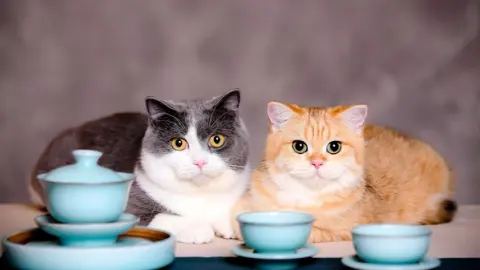
If you are planning to add a new cat to your household, compatibility with your resident cats is crucial. When you already have a well established boss cat, experts recommend pairing them with a more easygoing “follower” type rather than another strong willed leader.
Follower type cats tend to be less assertive, more flexible, and more inclined to go with the flow. They often prefer to move at their own pace, read the room, and avoid unnecessary confrontation. This kind of temperament can make it much easier to maintain harmony when living with a confident boss cat.
Conversely, combining two highly assertive, strong minded cats can be a recipe for ongoing tension. If neither cat is willing to yield, they may repeatedly compete for the top position, which can lead to chronic stress, frequent stand offs, and even physical fights.
Size and energy level also matter. A very energetic young kitten paired with a quiet senior cat can create a mismatch in daily rhythm. The kitten may constantly seek play and interaction, while the older cat simply wants to rest, leading to frustration on both sides.
Loading...
Compatibility is not only about personality; the indoor environment plays a major role in how well cats coexist. Providing multiple hiding spots, vertical spaces, and safe vantage points allows each cat to maintain their own personal territory and retreat when they need a break.
Pet guardians should consider:
- Multiple high perches and cat trees so cats can avoid each other when needed
- Cozy hiding places where a cat can rest without being disturbed
- Separate or well spaced feeding and litter areas to reduce competition
By thoughtfully shaping the environment and respecting each cat’s individuality, you can help them find a comfortable distance and balance that supports long term peace.
Why Human Fairness Can Backfire for Cats
One of the most common mistakes in multi cat homes is trying to treat every cat perfectly equally in every situation. While this feels morally right from a human perspective, it can unintentionally disrupt the social order that cats have already established among themselves.
In feline society, a clear hierarchy often helps reduce serious conflict. When pet parents ignore that structure and, for example, always push the boss cat aside to favor a more timid cat, they may actually increase anxiety and tension for everyone.
Experts recommend respecting the boss cat’s role and status instead of fighting it. That means consistently treating the leader as “first in line” in everyday routines. Far from creating a spoiled cat, this approach usually reassures the leader and stabilizes the group.
Mealtimes are one of the best opportunities to apply this rule. When you place down fresh food bowls, offer the first bowl to the leader cat. The same principle can apply when you return home from work, introduce a new toy, or start a play session: greet or engage with the boss cat first, then move on to the others.
These small, repeated gestures help the boss cat feel secure and respected. A relaxed, confident leader is less likely to overreact, guard resources, or pick fights, which in turn allows the follower cats to live more comfortably and with less stress.
Respecting hierarchy may sound strict at first, but in practice it often becomes the fastest, most reliable path to a happy, stable multi cat household.
Supporting a Calm Multi Cat Life With Your Boss Cat
Sharing your home with multiple cats can be deeply rewarding, but it also requires careful observation and thoughtful management. The natural ranking that develops among your cats is not something to fear; it is a built in system that helps them avoid serious conflict and feel safer together.
Your role as a pet parent is to recognize the boss cat at the center of this small social group and quietly support their position. Because cats cannot explain their needs in words, they rely on posture, movement, and daily routines to communicate with you and with each other.
By learning to read these signals and honoring the relationships they have formed, you can transform everyday life into a more harmonious, affectionate experience for every cat in your home.
To deepen your bond with your cats, start today by paying closer attention to who moves first, who yields, and how they share resources. Small adjustments in how you greet, feed, and interact with them can make a lasting difference in their sense of security and in the overall peace of your multi cat family.
- 03.29.2026