15 Vet-Backed Habits To Help Your Cat Live a Longer, Healthier Life

This article is an English translation of the original Japanese article. Read the original Japanese version.
Our cats fill our days with quiet joy, but their lives are far shorter than we wish. These 15 vet-backed habits will help pet parents support their cat’s health, reduce preventable risks, and make every shared year as comfortable and happy as possible.
Key takeaways
Q. What should I start with first to help my cat live a long life?
It is important to start with daily diet care, such as reviewing nutrition balance and making regular weight checks a habit.
Q. Do indoor cats still need vaccines and parasite prevention?
Yes. Even indoor cats face risks, so yearly vaccines and monthly parasite prevention are recommended.
Q. What should I pay special attention to in the living environment for senior cats?
Reduce steps, provide a soft bed, and manage temperature and cold so your senior cat can live comfortably without strain.
Even small changes add up over time. Start with what feels manageable today, then build new habits step by step.
1. Prioritize Smart Nutrition and Daily Weight Management
A healthy life starts with a healthy bowl. Experts recommend feeding a complete and balanced diet that matches your cat’s life stage and activity level, with appropriate calories to prevent obesity and a good balance of protein, fat, vitamins, and minerals.
Incorporating high quality wet food can support hydration and help protect the urinary tract, especially for cats that don’t drink much water on their own. Choose food based on your cat’s age, body condition, and energy needs, and get into the habit of weighing your cat regularly so you can catch subtle weight gain or loss early.
Smart devices such as cat-specific smart litter boxes can also help pet parents monitor changes in weight and bathroom habits, offering another layer of health tracking at home.
2. Create a Low-Stress, Cat-Centered Home Environment
Cats are creatures of habit, and sudden changes can be a major source of stress. Frequently rearranging furniture, loud noises, or constant disruptions can make even a confident cat feel anxious and on edge.
Provide safe, predictable spaces such as high perches, shelves, and cozy hideaways where your cat can retreat and relax. When a cat has a few reliable “go-to” spots where they always feel secure, their stress levels tend to drop, which in turn supports more stable appetite, sleep, and immune function.
3. Stay Up To Date With Vaccines and Clean Habits
Even indoor-only cats are not completely protected from infectious diseases. Viruses and other pathogens can hitch a ride on human clothing, shoes, or other pets and make their way indoors.
Veterinary guidelines generally recommend yearly wellness visits and appropriate core vaccinations based on your cat’s lifestyle and local disease risks. In addition, keep food and water bowls, litter boxes, and bedding clean and regularly washed to reduce exposure to germs and support overall health.
4. Prevent and Control Parasites Before They Cause Trouble
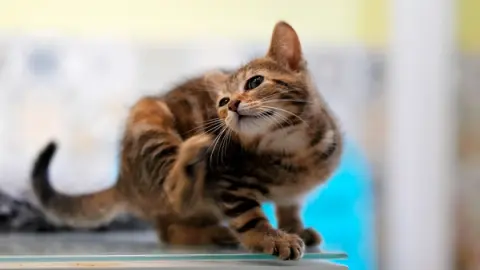
Fleas, ticks, and other parasites are more than just an itchy nuisance. They can trigger allergic skin disease, transmit blood-borne infections, and in some cases lead to internal parasites.
Work with your veterinarian to choose a monthly parasite prevention plan that fits your cat’s age, weight, and environment. Using vet-approved flea, tick, and worm preventives on a consistent schedule helps protect your cat from many invisible risks long before they become serious problems.
5. Protect Your Cat From Secondhand Smoke
Tobacco smoke is harmful not only to people but also to cats. In addition to inhaling smoke, cats groom toxic particles that settle on their fur, which means they can ingest harmful chemicals every time they lick themselves.
To protect your cat’s lungs and long-term health, avoid smoking indoors entirely. If quitting is not yet possible, smoke only outdoors and change or cover clothing before interacting closely with your cat. A smoke-free or smoke-limited home is a powerful step toward reducing cancer and respiratory risks.
6. Cat-Proof Your Home to Prevent Accidents
Household accidents are more common than many pet guardians realize. Falls from unsecured windows, balcony slips, or paws and tails caught in door gaps can all lead to serious injuries.
Install secure screens or fall-prevention nets on windows and balconies, and check that doors and heavy furniture close smoothly without sudden slams. Even if your cat never goes outdoors, maintaining a cat-safe home layout helps prevent emergencies before they happen.
7. Reduce the Risk of Dangerous Chewing and Swallowing
Many everyday items are surprisingly tempting to cats. Strings, rubber bands, hair ties, sewing thread, plastic bags, and small toy parts can all be batted, chewed, and accidentally swallowed.
Foreign body ingestion can quickly become life-threatening and often requires emergency surgery. To lower this risk, put toys away after playtime, store small objects in closed containers, and keep floors and low surfaces tidy. Choosing cat-safe toys without long strings or easily detachable parts also helps protect curious felines.
8. Manage Toxic Plants and Household Chemicals
A number of popular houseplants are dangerous for cats. Lilies, pothos, cyclamen, and several others can cause anything from stomach upset to kidney failure.
Before bringing any plant into your home, confirm that it is non-toxic to cats using reliable veterinary or poison control resources. If you already have questionable plants, place them in fully inaccessible areas or replace them with pet-safe alternatives.
In addition, store cleaning products, detergents, essential oils, and air fresheners securely out of reach. Cats may walk through spills or lick residues from their fur, so wiping up chemicals promptly and using pet-safe options whenever possible is an important safety habit.
9. Protect Oral Health to Support Whole-Body Wellness
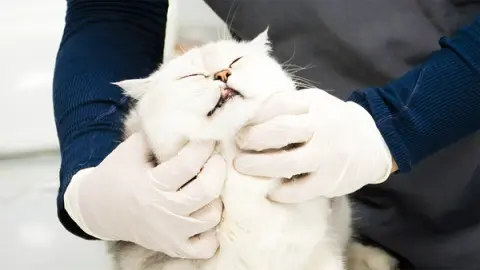
Dental disease is one of the most common health issues in adult cats. Untreated gum inflammation and tartar buildup can cause pain, tooth loss, and increase strain on organs such as the kidneys and heart.
Ideally, pet guardians should introduce toothbrushing with a cat-safe toothpaste from a young age. If brushing is not yet possible, consider dental diets, vet-approved dental treats, gels, or water additives as supportive tools. Regular veterinary dental checks and cleanings, combined with at-home care, help maintain the principle that a healthy mouth supports a healthy body.
10. Keep Indoor Air Clean and Easy to Breathe
Because cats spend most of their time close to the floor, they are especially exposed to dust, pollen, and other particles that settle at low levels. Over time, this can irritate the airways and worsen respiratory or allergic conditions.
Using an air purifier with a suitable filter, vacuuming and dusting regularly, and avoiding heavy use of aerosols or strong fragrances can all reduce the burden on your cat’s lungs. These small environmental tweaks can make a big difference, particularly for senior cats or those with asthma.
11. Maintain Comfortable Temperature and Humidity
Cats are sensitive to both heat and cold, and extreme temperatures can be dangerous. Many experts recommend keeping indoor temperatures below about 82°F (28°C) in summer and above about 68°F (20°C) in winter, adjusting for your cat’s age, coat, and health status.
Humidity also matters. Using a humidifier to maintain around 50–60% humidity can help protect the skin barrier and reduce respiratory irritation. Provide warm, draft-free resting spots in winter and cool, shaded areas in summer so your cat can choose the most comfortable place to relax.
12. Encourage Adequate Hydration Every Day
Cats are naturally low-thirst animals and often do not drink enough water to match their needs, especially on dry diets. Chronic mild dehydration can contribute to urinary tract issues and kidney strain over time.
To support better hydration, offer fresh water in multiple locations around your home and refresh it daily. Many cats prefer wide, shallow bowls made of ceramic or stainless steel. Circulating water fountains can also encourage drinking by appealing to a cat’s curiosity and preference for moving water, turning hydration into a more engaging daily habit.
13. Support Your Senior Cat Through Age-Related Changes
As cats age, their joints, muscles, and internal organs gradually change. Senior cats may jump less, sleep more, or become more sensitive to temperature shifts and household noise.
You can help by reducing steep jumps and high steps, adding ramps or pet stairs, and providing soft, supportive bedding in quiet areas. Keep litter boxes easy to access with low entry sides, and pay attention to changes in mobility, appetite, or behavior. Older cats often benefit from more frequent vet visits and tailored diets designed for kidney, joint, or weight management.
14. Nurture Daily Communication and Bonding
Although they sometimes appear aloof, most cats are deeply emotional and form strong bonds with their pet guardians. Consistent, gentle interaction is not just heartwarming; it can also support mental and physical health.
Set aside time each day to talk to, pet, and play with your cat in ways they enjoy. Many behavior experts note that positive human–cat interactions can help reduce stress hormones and support immune function. Interactive play with wands, balls, or puzzle toys also provides mental stimulation and healthy exercise, strengthening your mutual trust.
15. Schedule Regular Veterinary Checkups
Early detection saves lives. Cats are skilled at hiding discomfort, so by the time obvious signs appear, disease may already be advanced.
Most veterinarians recommend at least one wellness exam per year for adult cats, and every six months for senior cats (around seven years and older) or those with chronic conditions. Routine bloodwork, urine tests, and physical exams can reveal subtle changes in organ function, weight, or behavior, allowing for earlier and more effective treatment.
Creating a Longer, Happier Life Together
Protecting your cat’s health is one of the most meaningful responsibilities of being a pet parent. The daily choices you make around nutrition, environment, preventive care, and emotional connection all work together to shape your cat’s quality of life.
You do not need to change everything at once. Choose one or two habits from this list to start with, then build from there. By staying curious, working closely with your veterinarian, and tuning in to your cat’s unique personality, you can create a home where your cat feels safe, loved, and well cared for at every life stage.
Cherish the time you share, and let each day be another step toward a longer, healthier, and happier life for your feline companion.
- 03.20.2026
- 11.12.2025