Cat Dandruff Explained And How To Soothe Your Cat’s Skin At Home
This article is an English translation of the original Japanese article. Read the original Japanese version.
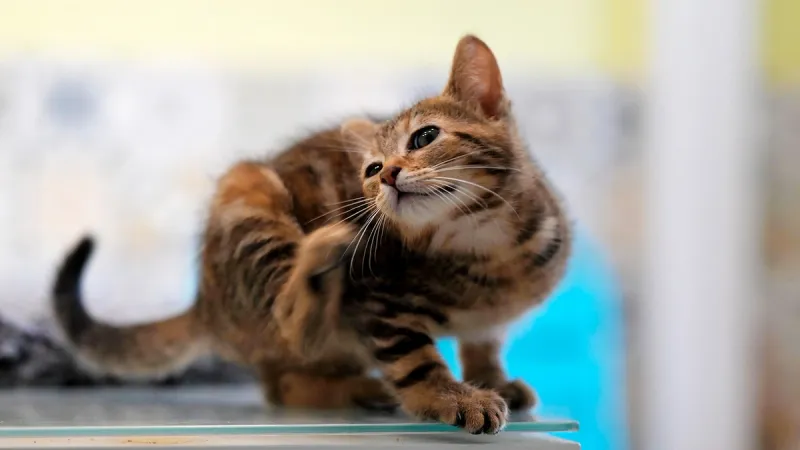
Noticing tiny white flakes on your cat’s coat can be worrying, but it’s also an important clue about their health. Learn what cat dandruff really means, when it signals a medical problem, and how pet parents can safely improve skin and coat health at home.
Key takeaways
Q. What are the common causes of dandruff in cats?
It is mainly caused by dryness, reduced grooming due to aging or obesity, poor nutrition, stress, and illnesses or parasites.
Q. What home care methods can help reduce my cat’s dandruff?
Gentle brushing, moisturizing care, foods or supplements with essential fatty acids, humidity control, and ensuring water intake are effective.
Q. When should I take my cat with dandruff to the vet?
See a vet promptly if there is intense itching, hair loss, redness or rash, yellow greasy flakes, bad odor, or moving white specks.
Why Is My Cat Getting Dandruff Four Main Causes
When you see white flakes drifting from your cat’s coat, it can be tempting to brush it off as “just dry skin.” In reality, feline skin is thinner and more delicate than human skin, so even small changes in their environment or routine can quickly show up as dandruff.
Seasonal shifts, especially during the dry air of fall and winter, often pull moisture from the skin. Indoor heating can make this worse, leaving the skin under the coat rough and dehydrated. Just as people with dry skin shed more flakes, cats with moisture-deprived skin will often show visible dandruff.
Age and body condition also play a major role. Cats are famously clean because they spend a large portion of their waking hours grooming, using their tongue to remove dirt and old skin cells from the entire body. As cats reach their senior years, stiff joints and arthritis can limit flexibility. Overweight cats may also struggle to reach their back, hips, or base of the tail. In both cases, areas they physically cannot groom tend to accumulate old skin cells and dandruff.
Nutrition and emotional health are equally important for skin condition. When a cat’s diet is low in high-quality protein or essential fatty acids, the skin’s barrier function can weaken, making dandruff more likely. In addition, major life changes such as moving house, the arrival of a new family member, or loud construction noise nearby can create significant stress. Some cats respond with overgrooming, while others stop grooming almost entirely. Both extremes can disrupt the skin’s natural balance and lead to flakes, irritation, or hair loss.
Finally, underlying disease and parasites are among the most important causes to rule out. Skin infections that flare when immunity is low, including those caused by certain fungi (ringworm and other dermatophytes), commonly present with dandruff. External parasites like cheyletiella mites or fleas can also be involved. In some cases, what looks like white flakes is actually the parasites themselves. Because of this, pet guardians should avoid assuming it is “just dry skin” and instead observe their cat carefully for other changes.
Home Care Strategies For Cat Dandruff
If your veterinarian has ruled out medical conditions and parasites, many cats respond well to thoughtful home care. With a few consistent changes, pet parents can often restore a softer coat and healthier skin.
A core strategy is gentle, regular brushing to support normal skin turnover. When a cat is not grooming effectively, pet guardians need to step in and help remove loose hair and old skin cells. This not only reduces visible flakes but also helps distribute natural oils along the coat.
However, when dandruff is already present, the skin is often more sensitive than usual. Brushing too hard or using a harsh tool can make things worse. Aim to brush in the direction of hair growth with light, stroking motions, rather than scrubbing. Short, daily sessions are usually more effective and better tolerated than occasional long grooming marathons. Over time, this routine can improve circulation in the skin and support a healthier coat.
Before and after brushing, many experts recommend targeted moisturizing care with cat-safe products. A feline-specific moisturizing spray or wet wipe can be especially helpful on dry areas such as the back and lower spine. Lightly mist the area and gently massage with your hands to help the product reach the skin. If your cat dislikes the sound of a spray, apply the product to your hands first and then stroke it onto the coat, or use an unscented moisturizing wipe instead. The goal is to build a realistic, low-stress moisturizing routine that your cat can accept over time.
Supporting the skin from the inside is just as important. For everyday meals, consider a complete and balanced cat food that includes omega-3 and omega-6 fatty acids in appropriate ratios. These essential fats help maintain the skin barrier and coat shine. Diets containing salmon oil, flaxseed oil, or other high-quality fat sources can be particularly beneficial for dry, flaky skin. Some pet parents also choose to add a veterinarian-approved feline supplement on top of the regular food for extra skin support.
Your cat’s indoor environment can either protect or stress their skin. During colder months, indoor humidity often drops, which can worsen dryness. Many veterinarians recommend using a humidifier and aiming for a room humidity of around 50–60 percent. If your cat’s bed is placed directly in the path of a heater or warm air vent, consider moving it to a quieter, draft-free spot. Ensuring your cat has access to multiple bowls of fresh water around the home also supports overall hydration, which is an often-overlooked part of skin care.
Loading...
When Cat Dandruff Means It Is Time To See The Vet
If you have adjusted grooming, diet, and environment but your cat’s dandruff is not improving, there may be a more serious skin problem underneath. Because cats cannot tell us when they are uncomfortable, regularly parting the fur to inspect the skin is a valuable habit for early detection.
One of the most important warning signs is intense itching or patchy hair loss along with dandruff. Cats that repeatedly rub against walls or furniture, or that chew and lick the same spot over and over, are often experiencing significant discomfort. When dandruff appears together with clumps of missing hair and visible skin, veterinarians may suspect infections such as dermatophytosis (a fungal disease commonly known as ringworm) or other conditions that require medical treatment.
It is also essential to look closely at the skin itself. When you separate the fur, check for redness, bumps, scabs, or unusual greasiness. Typical dry-skin dandruff is usually white and powdery. In contrast, when the skin is producing too much oil, you may see larger, yellowish, sticky flakes that clump together. This pattern can be associated with an overgrowth of Malassezia, a yeast that normally lives on the skin but can cause inflammation when it multiplies excessively. Left untreated, this can progress to chronic dermatitis. A strong, unpleasant odor or black specks and clogged pores under the chin are additional reasons to seek veterinary advice promptly.
Loading...
In some cases, what appears to be dandruff turns out to be moving when you look closely. This alarming finding is often linked to external parasites such as cheyletiella mites, sometimes called “walking dandruff.” These parasites can occasionally bite humans and cause intense itching, making them a concern for the whole household. Cats that go outdoors, live with other animals, or have recently been rescued or adopted are at higher risk.
If you ever notice “dandruff” that seems to crawl or shift, do not crush the particles with your bare hands. Instead, contact your veterinarian as soon as possible for appropriate diagnostic tests and prescription parasite control. Modern treatments are usually straightforward and highly effective when started early.
Loading...
Recommended Products To Support Cat Dandruff Care
Thoughtfully chosen grooming and nutrition products can make home skin care more effective and more pleasant for both you and your cat. Understanding the strengths of each option can help pet guardians select tools that fit their cat’s personality and needs.
A gentle rubber brush is a valuable starting point. Brushes made from soft silicone or rubber with rounded tips are designed to be low-irritation while still effective. Many cats enjoy the massage-like sensation, and these tools are excellent for lifting loose flakes, old skin cells, and shed hair without scratching the skin.

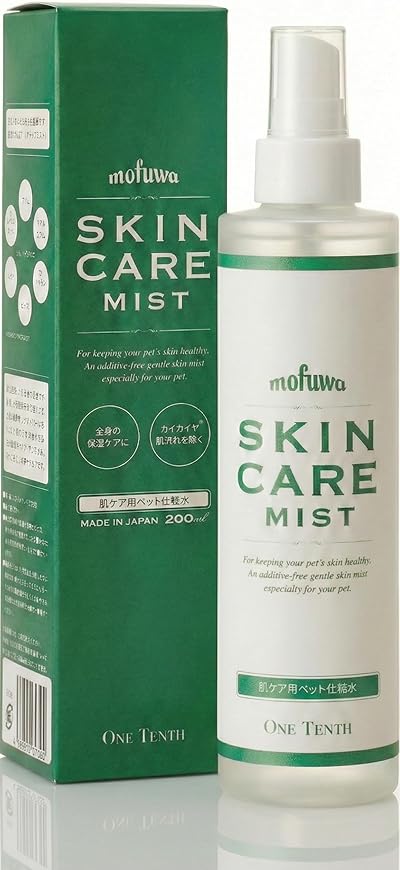
Next, consider a moisturizing lotion or mist formulated specifically for cats, using safe, naturally derived ingredients. Because cats instinctively lick anything applied to their fur, ingredient safety is critical. Fragrance-free products containing skin-supportive components such as ceramides and hyaluronic acid can help reinforce the skin barrier and retain moisture without overwhelming sensitive noses.
Finally, therapeutic or premium diets designed for skin and coat health can support your cat from the inside out. Many of these formulas are enriched with vitamin E, essential fatty acids, and other nutrients that promote healthy skin turnover. Some are grain free to support digestibility, while others use novel protein sources that are less likely to trigger food sensitivities. Working with your veterinarian to choose a diet that matches your cat’s age, lifestyle, and medical history can turn everyday meals into a powerful part of their skin care plan.
Strengthening Your Bond Through Skin Care And Early Detection
Those tiny white flakes on your cat’s coat are more than a cosmetic issue; they are a message about what is happening with your cat’s body and daily life. Causes range from simple dryness or reduced grooming to infections and parasites that require prompt treatment.
By turning daily touch into intentional skin checks and gentle grooming, pet parents can catch changes early and respond quickly. And when something does not seem right, partnering with a trusted veterinarian rather than trying to manage alone is the safest path.
With consistent home care, a supportive environment, and professional guidance when needed, you can help your cat regain comfortable, healthy skin and deepen the trust you share every day.
- 03.23.2026
- 03.22.2026