Cat Chin Acne Explained And How To Safely Clear It Up At Home
This article is an English translation of the original Japanese article. Read the original Japanese version.
Noticed tiny black specks on your cat’s chin that won’t quite wipe away? Learn what feline chin acne really is, how to tell it apart from other skin problems, and the safest at home care steps pet parents can start today before heading to the vet.
If you’re cuddling your cat and suddenly notice rough black specks or bumps under their chin, you may be looking at feline acne, often called cat chin acne. In mild cases it can look like a bit of dirt, but when it worsens you may see redness, swelling, scabs, or even bleeding and pus. The good news is that with the right care and a few simple habit changes, many cats improve significantly.
In this guide, you’ll learn how to recognize cat chin acne, what commonly causes it, which at home care steps are considered safest, and which over the counter products many veterinarians recommend pet parents keep on hand.
What Are Those Black Specks On My Cat’s Chin
When pet parents see black dots, specks, or grainy debris clustered on the lower chin and around the lips, veterinarians often suspect feline acne first. These specks are usually a mix of clogged pores, oxidized skin oils, and stuck-on debris.
If you gently wipe the area, some of the black material may come off on the cloth. However, you might also notice underlying red bumps, hair loss, scabs, or tender spots that do not disappear with simple cleaning. As the condition progresses, some cats develop white, pus-filled bumps, and may show signs of discomfort such as scratching, rubbing, or avoiding touch.
Pet guardians should consider chin acne likely when they notice:
- Clusters of black specks or tiny plugs on the lower chin
- Debris that returns quickly even after wiping
- Redness, oozing, hair loss, or scabbing in the same area
- Rubbing the chin on bowls, floors, or furniture more than usual
Any of these signs warrant closer monitoring. If the skin looks very inflamed, painful, or is spreading to other areas, a veterinary visit is strongly recommended.
Common Causes Of Cat Chin Acne
Experts believe feline chin acne usually develops when several factors overlap rather than from a single cause. Three major contributors are often involved:
- Clogged pores from excess keratin and skin oils
- Overactive sebaceous (oil) glands
- Repeated irritation or contamination from bowls and the environment
One of the most frequently discussed triggers is the use of plastic food and water bowls. Plastic surfaces scratch easily, and those tiny scratches can trap skin oils, saliva, bacteria, and food residue. When your cat’s chin repeatedly presses against this contaminated surface, pores can clog and become inflamed.
In addition, factors such as chronic stress, reduced grooming ability, and excess body weight may make acne more likely or more severe. Overweight cats and those with mobility issues often struggle to groom the chin and neck thoroughly, allowing oils and debris to build up.
At Home Care Basics Clean And Keep The Area Dry
When starting at home care, the first rule is do not squeeze or pick at the bumps. Squeezing can damage the skin barrier, drive bacteria deeper into the follicles, and increase the risk of infection and scarring.
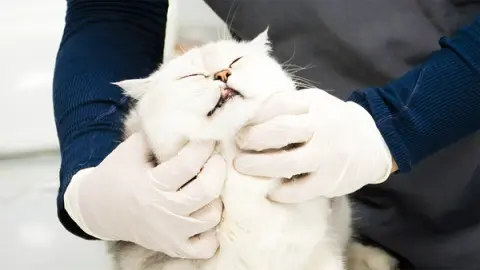
Instead, focus on gentle, regular cleaning and thorough drying of the chin area. Many veterinarians recommend the following routine for mild cases, as long as your cat is comfortable and the skin is not severely inflamed:
- After meals, wipe the chin with a soft gauze pad dampened with lukewarm water to remove food residue and surface oils.
- Alternatively, use a cat specific, low irritation cleansing wipe designed for pets’ skin.
- Pat the area dry carefully and, if advised by your veterinarian, apply a pet safe, oil control cream or mousse formulated for cats.
When wiping, avoid scrubbing. Press gently and dab or blot rather than rubbing back and forth, which can irritate already sensitive skin. Short, calm sessions are usually better tolerated, and rewarding your cat afterward can help build a positive association.
It is also crucial to avoid products that are unsafe for cats. Human acne treatments and essential oils should not be used on feline skin. Ingredients such as salicylic acid and tea tree oil can be toxic to cats even in small amounts. Always choose products labeled for veterinary use or recommended directly by your veterinarian.
Three Vet Oriented Skincare Products Many Pet Parents Use
For pet guardians looking for over the counter options, there are several veterinary grade products commonly used to support chin acne care. Always introduce new products gradually and discontinue use if your cat shows any sign of irritation.
Kyoritsu Seiyaku CH Towel Sheet
These cleansing sheets contain chlorhexidine, an antiseptic ingredient widely used in veterinary dermatology. They are designed for gentle daily wiping and have a relatively mild scent, making them suitable for routine chin cleaning in many cats.
Nekoneru Ago Clean Sheet
These wipes are formulated specifically with cat chin acne in mind. They contain dipotassium glycyrrhizate (a derivative of licorice root) to help calm the skin while keeping irritation to a minimum. Their gentle formula makes them a practical option for pet parents who are just starting a skincare routine.
Douxo S3 Sebo Mousse
This leave on mousse contains natural ingredients, including Seboliance, a pomegranate extract, to help balance skin oils and support a healthy skin barrier. By maintaining clean, hydrated, and balanced skin, it can be a useful part of a long term management plan for cats prone to chin acne.
Because every cat’s skin is different, it is wise to discuss product choices with your veterinarian, especially if your cat has a history of allergies or sensitive skin.
Prevention Starts With Bowls And The Home Environment
When it comes to preventing feline chin acne, cleanliness and low irritation contact surfaces are key. One of the simplest and most effective changes many experts recommend is switching away from plastic bowls.
If your cat currently eats or drinks from plastic dishes, consider replacing them with stainless steel or ceramic bowls that have smooth, nonporous surfaces. These materials are easier to clean thoroughly and less likely to harbor bacteria and oils in microscopic scratches.
Clean, fresh water is equally important for overall skin and coat health. Many pet guardians find that cat drinking fountains or automatic waterers encourage more frequent drinking and help keep water cleaner between changes.
Beyond bowls, pay attention to other surfaces your cat’s chin regularly touches. Wash bedding, blankets, and frequently used towels at least once a week to reduce the buildup of oils, saliva, and environmental allergens.
Finally, make post meal chin wiping part of your daily routine. Linking it to existing habits, such as your morning or bedtime routine, can make it easier to remember and more predictable for your cat.
When It Might Not Be Just Chin Acne
While feline acne is common, several other skin conditions can look similar at first glance. Because of this, relying solely on home observation can be misleading, especially if the problem is not improving.
Conditions that may resemble cat chin acne include:
- Fungal infections such as dermatophytosis (ringworm)
- Demodectic mange caused by certain skin mites
- Contact dermatitis from irritants or allergens touching the skin
- Allergic dermatitis related to food or environmental triggers
- Eosinophilic granuloma complex, an inflammatory skin disorder
- Less commonly, certain tumors or growths
If the chin looks very swollen, if there is extensive hair loss, if lesions are spreading to other areas of the face or body, or if your cat seems unwell overall, prompt veterinary evaluation is essential. A veterinarian can perform skin scrapings, fungal cultures, cytology, or other tests to identify the exact cause and tailor treatment to your cat’s needs.
Long Term Management And Reducing Recurrence
Many cats with chin acne have a tendency to flare up again, even after the skin looks clear. For these cats, the goal shifts from a one time “cure” to consistent, gentle management and prevention.
Helpful long term strategies include:
- Using easy to clean bowls and washing them daily
- Maintaining a regular chin cleaning routine with pet safe wipes or cleansers
- Supporting a low stress lifestyle with predictable routines and enrichment
- Managing body weight and improving grooming with regular brushing
Pay special attention to areas your cat cannot easily groom on their own. The chin is a classic hard to reach spot, especially for cats with short necks, arthritis, or extra weight. By stepping in where your cat’s own grooming falls short, you can significantly reduce the chance of clogged pores and flare ups.
With thoughtful daily habits and early intervention at the first sign of trouble, most pet parents find that feline chin acne becomes a manageable part of their cat’s care routine rather than a constant source of worry.
Supporting Your Cat’s Skin Health Every Day
Cat chin acne can look alarming at first, but for many cats it responds well to simple changes in hygiene, environment, and gentle skincare. By choosing the right bowls, keeping contact surfaces clean, and establishing a calm, consistent cleaning routine, you give your cat’s skin the best chance to stay clear.
As you observe your cat’s chin over time, you will learn what triggers flare ups and which routines work best. Partnering with your veterinarian and staying proactive at home allows you to support healthy skin and build even more trust with your feline companion, one gentle chin wipe at a time.
- 03.02.2026
- 09.15.2025