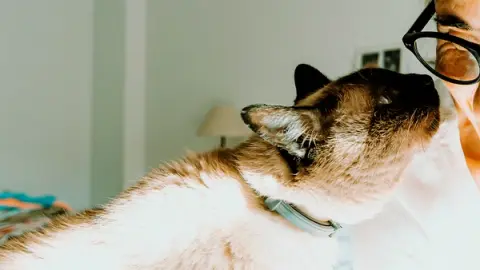
Is Your Cat’s Snoring Normal Or A Health Warning
This article is an English translation of the original Japanese article. Read the original Japanese version.
A softly snoring cat can be irresistibly cute, but sometimes those sounds are early clues that something is wrong. Learn how to tell harmless sleepy noises from warning signs that mean it is time to call your veterinarian.
Key takeaways
Q. What kind of snoring is physiological and not a concern in cats?
If the cat snores only when deeply relaxed, with soft, regular sounds that disappear when its sleeping position changes, it is considered physiological.
Q. What breathing sounds or signs mean I should consult a veterinarian?
You should consult a vet if snoring suddenly gets louder, noisy breathing occurs even when awake, breathing is shallow and rapid, the chest or belly heaves, or nasal discharge and sneezing persist.
Q. How can I improve my home environment to reduce my cat’s snoring?
Keep indoor humidity around 50–60%, provide a bed that slightly elevates the head, and frequently clean dust and bedding around the sleeping area to keep it hygienic.
Why Cats Snore And When It Is Completely Normal
Just like humans, cats can experience a temporary narrowing of their airways while they sleep. When a cat is deeply relaxed, the muscles around the throat loosen, and the airflow can cause gentle vibrations. In many healthy cats, this shows up as a soft, steady snore or a faint whistling sound.
If the sound is quiet, regular, and only present when your cat is sleeping comfortably, it is usually considered a normal, physiological snore. Many cats will snore a little more when they are in a very deep sleep or after an especially active play session.
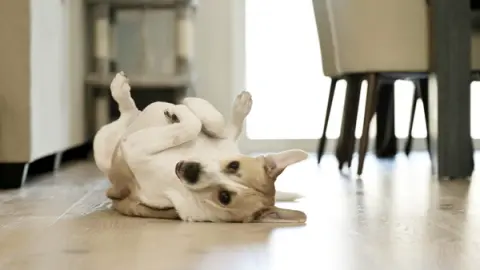
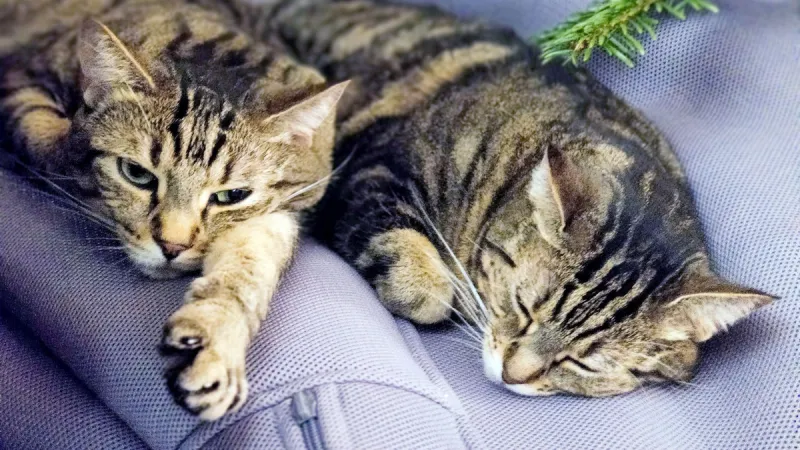
Sleeping position also plays a big role. When a cat lies on their back with their belly exposed, gravity can pull the tongue slightly backward toward the throat. This can narrow the airway and create temporary snoring. If the sound disappears when your cat changes position, stretches, or rolls over, it is very likely just posture-related snoring rather than a medical problem.
Pet parents can gently observe which positions tend to bring on snoring and which do not. This simple habit helps you build a mental “baseline” for what is normal for your cat.
Snoring Sounds You Should Never Ignore
When the sound of your cat’s breathing suddenly changes, it deserves attention. A noticeable shift from your cat’s usual quiet breathing to louder, harsher, or more labored noises can signal an underlying issue.
Be especially alert if you notice any of the following:
- Snoring that becomes suddenly louder or more frequent compared with previous days
- Noisy breathing when your cat is awake, such as snorting, snuffling, or a congested “zz-zz” or “boo-boo” sound
- A high-pitched wheeze or whistle every time your cat inhales, suggesting a significantly narrowed airway
In addition to the sound itself, the way your cat uses their whole body to breathe is an important clue. If the chest and belly move dramatically with each breath, or if your cat is breathing rapidly and shallowly with the mouth slightly open, this can indicate that breathing is taking extra effort.
Persistent nasal discharge, especially when combined with snoring, is another red flag. Ongoing sneezing, thick or colored nasal mucus, or a constantly runny nose may point to infection or inflammation in the upper airways.
Your own instincts as a pet guardian are valuable. If something about your cat’s breathing feels “not like them,” trust that intuition. Experts recommend recording a clear video on your smartphone when you notice unusual sounds or breathing patterns. Many cats stop snoring or panting once they are stressed at the veterinary clinic, so a relaxed-at-home video can give your veterinarian crucial information.
Common Health Problems That Can Hide Behind Snoring
While many cats simply snore harmlessly, persistent or new snoring can sometimes be a sign of disease. Understanding the most common causes can help you seek timely care.
One of the most frequent culprits is the group of infections often called “cat flu” or upper respiratory infections. Viruses and bacteria can inflame the delicate lining of the nose and throat, leading to congestion, nasal discharge, and noisy breathing. Just like humans with a bad cold, affected cats may snore, snort, or breathe more loudly as air struggles to pass through swollen tissues.
Cats are more vulnerable to these infections when their immune system is under extra strain. Seasonal changes, moving homes, new pets, or other stressful events can all lower defenses and make infection more likely. Early veterinary treatment can ease discomfort and reduce the risk of complications.
Another important factor is obesity. Cats who are significantly overweight often carry extra fat around the neck and deep in the throat area. This tissue can physically narrow the airway and make it easier for the soft tissues to vibrate, resulting in louder, more frequent snoring.
While a round, plush body can look adorable, excess weight places ongoing stress on a cat’s heart, lungs, and joints. If your cat snores and also seems heavier than ideal, discuss a safe weight-loss plan with your veterinarian. Gradual weight reduction often improves breathing quality and overall health.
In senior cats, veterinarians also consider more serious conditions such as nasal tumors or polyps. These are abnormal growths inside the nasal passages or at the back of the throat. Even small masses can significantly block airflow, causing heavy snoring, harsh snorting, or a deep, rattling breathing sound. In some cases, pet parents may also notice nosebleeds or a foul odor from the nose.
If you observe discharge coming from only one nostril, or if one side of your cat’s face looks slightly swollen or asymmetrical, this can be a sign that something is occupying space inside the nasal cavity. In these situations, prompt veterinary examination and imaging are strongly recommended.
Cat Breeds That Are Naturally Prone To Snoring
Some cats are born with facial structures that make snoring much more likely. These are the so-called brachycephalic (short-nosed) breeds, such as Exotic Shorthairs, Persians, and Himalayans. Their flat faces and shortened noses are part of what many pet parents find so charming, but they also come with unique respiratory challenges.
In these breeds, the nostrils may be naturally narrower, and the soft palate (the flexible tissue at the back of the roof of the mouth) may be longer than average. Together, these features can significantly reduce the space available for air to flow. Veterinarians often group these issues under the term brachycephalic airway syndrome.
Because their airways are structurally tighter, these cats are more likely to snore even when they are otherwise healthy. The tissues inside the nose and throat can vibrate with every breath, creating snorting, snuffling, or snoring sounds during both sleep and wakefulness.
For pet guardians living with a brachycephalic cat, it is important to recognize that their adorable flat face can also mean lifelong breathing sensitivity. Hot, humid weather, vigorous play, or emotional excitement can all place extra strain on their already narrow airways.
Experts recommend monitoring these cats closely during warm seasons and after active play. If your short-nosed cat seems to struggle to catch their breath, breathes with an open mouth, or suddenly becomes very quiet and still after exertion, move them to a cool, calm room immediately and contact your veterinarian for guidance.
Creating a low-stress, temperature-controlled environment and avoiding intense exercise in the heat can make a significant difference in their comfort and safety.
Simple Home Adjustments To Support Easier Breathing
Pet parents can do a great deal at home to help their cats breathe more comfortably and sleep more soundly. Small, consistent changes in the environment often have a big impact.
First, pay attention to indoor humidity. Very dry air can irritate the lining of the nose and throat, making snoring and respiratory infections more likely. Many experts recommend keeping household humidity around 50–60 percent, especially during dry winter months.
You can support healthy humidity by using a well-maintained humidifier or, more simply, by hanging a damp towel in the room where your cat likes to sleep. Always ensure that any device or setup you use is safe and out of reach of curious paws.
Next, take a fresh look at your cat’s sleeping area. Beds that allow your cat to rest their chin on a raised edge can help keep the head slightly elevated. This position encourages a straighter airway and can make breathing easier compared with lying completely flat.
Cleanliness around the sleeping space also matters. Fine dust, lint, and household allergens can irritate the nasal passages and trigger inflammation. Regularly vacuum around your cat’s bed and wash blankets, covers, and soft toys to minimize dust and dander buildup.
These small acts of care—adjusting humidity, choosing supportive bedding, and keeping the sleep zone clean—work together to protect your cat’s respiratory health and promote deeper, more restful sleep.
Listening To Your Cat’s Snore And Protecting Their Future Health
The gentle sound of your cat breathing beside you is more than just comforting background noise. It is a real-time window into how safely and easily they are able to rest. Learning what is normal for your cat makes it much easier to spot the early signs of trouble.
Avoid dismissing new or worsening snoring as “just getting older” or “probably nothing.” When you are uncertain, consulting your veterinarian is always the safest choice. Early evaluation allows problems to be identified and treated before they become serious, reducing stress for both you and your cat.
By staying curious about your cat’s breathing patterns, recording unusual episodes on video, and seeking professional advice when something feels off, you are actively protecting their long-term wellbeing. Early detection and timely care can dramatically improve outcomes for many respiratory conditions.
With thoughtful observation and a few supportive home adjustments, you can help ensure that your cat’s sleepy sounds remain a sign of deep relaxation—not distress. As a dedicated pet guardian, your attentive listening and gentle watchfulness are powerful tools in giving your cat a lifetime of safe, peaceful naps by your side.
- 03.20.2026
- 03.03.2026