How Old Is Your Cat in Human Years and How to Support Every Life Stage

This article is an English translation of the original Japanese article. Read the original Japanese version.
Cats age far faster than we do, which means their needs can change almost overnight. Learn how to convert your cat’s age into human years and discover expert-backed care tips that help your feline friend stay healthy, comfortable, and happy at every stage of life.
Key takeaways
Q. How can I convert my cat's age into human years?
A 1-year-old cat is about 18 human years, 2 years is about 24, then add about 4 human years for each additional cat year.
Q. What health care and precautions are important during a cat's adult stage?
Adjust food and exercise to prevent obesity, schedule annual checkups, and maintain toothbrushing habits.
Q. What environmental adjustments should I make for my senior cat?
Reduce steps, add ramps, provide warm beds and quiet spots so your senior cat can rest safely and comfortably.
Understand Your Cat’s Age in Human Years
Cats grow at an astonishing pace. By the time a kitten reaches one year of age, their development is roughly equivalent to an 18-year-old human. By age two, most cats have reached full physical and emotional maturity, similar to a 24-year-old adult.
From that point on, experts generally estimate that each additional cat year equals about four human years. That means a 5-year-old cat is comparable to a 36-year-old human in midlife, and a 10-year-old cat is roughly similar to a 56-year-old human, when early senior changes may begin.
If your cat lives to 15, they have reached the equivalent of about 76 human years, a true longevity milestone. Thanks to advances in veterinary medicine and the evolution of complete, balanced cat foods, it is no longer unusual for cats to reach 20 years of age or more, which is close to 100 in human years.
It is also important to remember that indoor cats and outdoor cats often age differently. Cats who live safely indoors with attentive pet parents tend to experience slower aging and longer lifespans than cats exposed to harsh outdoor environments, infectious diseases, and accidents.
When you translate your cat’s age into human years, the passage of time can feel more tangible. It becomes easier to appreciate just how precious every shared moment is and how quickly their life stages pass.
Why Cats Become Adults So Quickly
Many pet guardians are surprised by how quickly their kitten seems to turn into an adult. From an evolutionary perspective, cats needed to develop rapidly so they could survive in demanding natural environments. Building a strong, independent body in a short time was a key survival advantage.
By around six months of age, a kitten’s growth and maturity are roughly comparable to a human in early adolescence. By the time they reach two years, most cats have settled into the calm, confident demeanor of a fully grown adult, both physically and emotionally.
After this point, aging slows but still progresses much faster than in humans. Cats carry the instincts of their wild ancestors, who relied on stealth and strength to hunt. Because of this, many cats instinctively hide signs of pain or illness until they are quite unwell, making subtle changes easy to miss.
This is why using age as a guidepost is so valuable. Pet parents can adjust the home environment, daily routine, and veterinary care to match their cat’s true life stage, rather than relying only on how young or playful they appear.
Key Health Care Priorities at Each Life Stage
Once you understand your cat’s approximate age in human years, it becomes much easier to anticipate what kind of support they need. Below are expert-informed care points tailored to each major life stage.
The Energetic Kitten Stage Building Body and Mind
From birth to about one year of age, kittens are laying the foundation for a lifetime of health. Their bones, muscles, organs, and immune system are all developing rapidly, and their energy needs are significantly higher than those of adult cats.
During this period, veterinary professionals strongly recommend feeding a complete and balanced kitten-specific diet. These formulas are designed to provide higher calories, protein, and essential nutrients to support healthy growth. Avoid feeding only adult food at this stage, as it may not meet a kitten’s developmental needs.
In addition to physical growth, the first few months of life are a critical socialization window. This is when kittens learn how to interact with humans, other animals, and their environment. Gently exposing your kitten to a variety of sounds, surfaces, and experiences can help them grow into a more confident, resilient adult.
- Consider calmly introducing everyday household noises (like vacuum cleaners or doorbells).
- Offer different textures underfoot, such as rugs, mats, and cat trees.
- Invite positive, gentle interactions with trusted visitors when possible.
These experiences help reduce fear and stress later in life and can encourage a more easygoing personality.
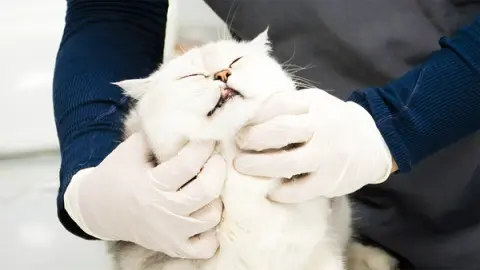
Establishing early dental care habits is another powerful investment in your kitten’s future health. Start by lightly touching around the mouth and lips, then gradually introduce a cat-safe toothbrush or finger brush with veterinary-approved toothpaste. Keeping sessions short and pairing them with praise or treats helps your kitten associate oral care with positive experiences.
Loading...
Curiosity-driven “mischief” is a normal and healthy part of kitten development. Rather than scolding, focus on making the environment safer and more enriching:
- Store medications, cleaning products, and small objects out of reach.
- Secure cords and blinds to prevent tangling or chewing.
- Provide safe outlets for climbing, scratching, and chasing.
A daily rhythm of active play followed by deep rest supports both physical and emotional well-being. Short, frequent play sessions that mimic hunting (stalking, chasing, pouncing) are especially beneficial and help build a strong bond between kitten and pet parent.
The Adult Cat Years Preventing Obesity and Silent Health Issues
From about 2 to 10 years of age, most cats enjoy a stable, mature life stage. They are typically fully grown, emotionally settled, and often very bonded to their pet guardians. However, this is also the time when weight gain and early chronic conditions can quietly develop.
As cats move out of the rapid-growth phase, their metabolism naturally slows. If they continue to eat the same high-calorie portions they did as kittens, they can gradually become overweight. Obesity is strongly linked to diabetes, joint problems, urinary issues, and reduced quality of life.
To protect your cat’s long-term health, experts recommend:
- Monitoring body weight and body condition regularly, not just relying on the number on the scale.
- Adjusting daily food portions based on your veterinarian’s guidance and your cat’s activity level.
- Choosing complete and balanced adult cat food appropriate for your cat’s lifestyle (indoor, active, etc.).
Indoor cats in particular may be prone to boredom, which can lead to overeating or stress-related behaviors. To support both physical and mental health, consider:
- Providing vertical spaces like cat trees or shelves to encourage climbing and jumping.
- Scheduling interactive play sessions with wand toys or balls to mimic hunting.
- Rotating toys and adding puzzle feeders to keep your cat mentally engaged.
From the adult stage onward, annual veterinary checkups are essential. Even if your cat appears healthy, routine exams, bloodwork, and urine tests can reveal early changes in kidney function, thyroid levels, blood sugar, or organ health before obvious symptoms appear.
Regular screening acts as a powerful safety net. Blood tests and urinalysis can detect subtle issues long before they become emergencies, giving you and your veterinarian more options for treatment and management.
Dental disease also becomes more common during the adult years. Plaque and tartar buildup can lead to gingivitis, tooth pain, and even systemic health problems if bacteria enter the bloodstream. Continue the toothbrushing habits you began in kittenhood, and ask your veterinarian about professional dental cleanings when needed.
By staying proactive with nutrition, activity, and preventive care, you can help your adult cat maintain a healthy weight, strong muscles, and a comfortable, active lifestyle.
The Senior and Geriatric Years Creating a Safe, Supportive Environment
Around age 11, most cats enter their senior years, roughly comparable to a human in their 60s. Even if your cat still seems playful and alert, age-related changes in organs, joints, and immune function are often underway.
Two of the most common concerns in older cats are chronic kidney disease and joint pain (arthritis). Watch closely for changes such as:
- Drinking more water than usual
- Urinating more frequently or producing larger clumps in the litter box
- Changes in urine color or odor
- Hesitation to jump, stiffness, or reduced mobility
If you notice any of these signs, schedule a veterinary visit promptly. Early diagnosis and management can significantly improve comfort and extend quality of life.
Diet often needs to be adjusted in the senior years. Many older cats benefit from senior-specific formulas that are easier to digest and designed to support kidney, heart, and joint health. Your veterinarian can help you choose an appropriate diet based on bloodwork and overall condition.
As muscle mass and strength decline, jumping to high places may become difficult or painful. To help your senior cat continue enjoying their favorite spots, consider:
- Adding ramps or steps to beds, sofas, and window perches.
- Lowering frequently used resting areas so they are easier to access.
- Ensuring litter boxes have low entry sides to reduce strain on joints.
Environmental comfort becomes increasingly important. Provide warm, draft-free resting areas with soft, supportive bedding to protect aging joints. In multi-level homes, placing resources (food, water, litter, resting spots) on each floor can reduce the need for frequent stair climbing.
Senior cats are often more sensitive to temperature and humidity changes. During seasonal transitions, monitor indoor conditions and adjust heating, cooling, or humidification as needed. Adding a soft blanket to your cat’s favorite napping spot is a simple gesture that can greatly enhance their comfort.
Although physical energy may decline, many senior cats become even more emotionally attached to their pet guardians. Quiet companionship, gentle petting, and calm routines can be deeply reassuring. Sharing slow, peaceful moments together is one of the great gifts of this life stage.
Aging Signs Pet Parents Should Not Ignore
Even with excellent care, aging brings gradual changes that may first appear in small, everyday moments. Recognizing these early signs allows you to respond quickly and compassionately.
One common change is a decline in grooming. If your cat’s coat loses its usual shine, becomes matted, or you notice more dandruff, it may indicate stiffness, discomfort, or reduced flexibility that makes self-grooming difficult.
In these situations, gentle, regular brushing can help maintain skin and coat health while also providing soothing one-on-one time. Use soft brushes and keep sessions short, watching your cat’s body language for signs of fatigue or discomfort.
Hearing and vision can also diminish with age. You may notice that your cat responds less readily when called, startles more easily, or seems less interested in tracking moving objects. To help them feel secure:
- Approach from the front rather than from behind.
- Speak softly as you come closer so they can anticipate your touch.
- Avoid sudden movements or loud noises when possible.
Sleep patterns often change as well. A cat who once raced around at night may begin spending most of the day and night resting. As long as your veterinarian has ruled out illness, allowing your senior cat to sleep undisturbed in a warm, quiet place is one of the kindest forms of care.
Consistent, age-aware observation is one of the most powerful tools pet parents have. If you notice changes in appetite, thirst, weight, litter box habits, mobility, behavior, or mood, contact your veterinarian sooner rather than later. Early intervention can make a significant difference in comfort and prognosis.
Even if your cat no longer plays as vigorously as before, many seniors find deep contentment in simply resting on a trusted guardian’s lap, purring softly. Instead of focusing on what they can no longer do, try to view this stage as a time to honor the many years of companionship you have shared.
Caring for Your Cat’s Future by Understanding Their Age
A cat’s lifetime passes much more quickly than a human’s, but understanding their age in human terms can help you slow down and respond more thoughtfully to each stage. Knowing where your cat is on their life journey is not just about numbers; it is about seeing their physical and emotional needs more clearly.
Rather than assuming that a younger cat is automatically “fine,” consider making regular checkups, balanced nutrition, appropriate exercise, and a safe, enriched environment part of your everyday routine. Research and clinical experience suggest that these simple, consistent habits can extend your cat’s healthy years and improve their quality of life.
Remember, today is the youngest your cat will ever be again. The choices you make now shape not only how long they live, but how comfortably and joyfully they experience each day.
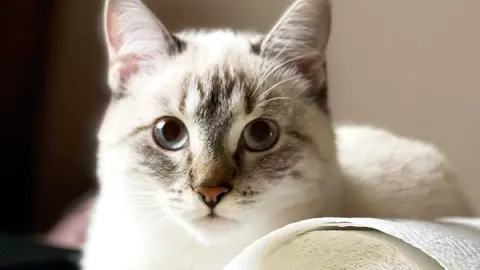
Your cat’s eyes hold a quiet, trusting light that depends on you for protection and care. Within your daily routines, there are countless opportunities to express kindness through small actions: refreshing water bowls, offering a soft place to sleep, scheduling that overdue checkup, or taking a few extra minutes to play or cuddle.
With a little knowledge and a lot of love, you can brighten your cat’s future at every age.
Walking Together Through Every Life Stage
As your cat moves from curious kitten to confident adult and finally to wise senior, your role as a pet parent evolves alongside them. By understanding how their age translates into human years and adjusting your care accordingly, you become an active partner in protecting their health and happiness.
Continue to learn, observe, and adapt. Celebrate the playful days, cherish the quiet ones, and let each stage deepen the bond you share. With thoughtful, age-appropriate care and unwavering affection, you and your cat can walk together through a long, peaceful, and fulfilling life.
- 03.20.2026
- 03.08.2026