7 Subtle Signs Your Cat Is Stressed And How To Respond With Care
This article is an English translation of the original Japanese article. Read the original Japanese version.
Cats rarely show stress in obvious ways, but their body language is constantly sending signals. Learn how to spot seven key signs of anxiety so you can support your cat early and protect both their emotional and physical health.
Key takeaways
Q. What behavioral signs show that a cat is feeling anxiety or stress?
Changes in ear and tail movement, hiding time, grooming, vocalization, appetite/toileting, and distance from the owner are signs.
Q. What should I do first when I notice signs of anxiety in my cat?
Secure a calm space, avoid loud noises and sudden movements, and adjust the environment without forcing contact.
Q. How should I respond if my cat’s appetite or toileting changes?
Since stress or illness may be involved, if changes persist, the article recommends consulting a veterinarian.
Cats are incredibly sensitive animals. They may not use words, but they communicate a great deal through small changes in posture, expression, and daily habits.
Stress and anxiety can be especially easy to miss, even for experienced pet parents. Yet when you notice these shifts early, you can step in, adjust their environment, and support your cat’s emotional health before problems escalate.
In this guide, you will learn seven common signs of stress in cats and what they may be trying to tell you.
1. Ears Turned Back Or Flattened To The Side
A cat’s ears are like emotional barometers. When a cat feels calm and curious, the ears are usually upright and gently facing forward, sometimes swiveling toward sounds.
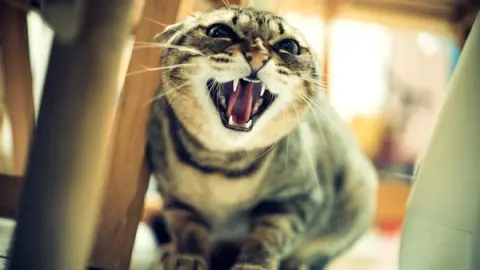
When a cat feels anxious, overwhelmed, or frightened, they may pin their ears back, flatten them sideways, or form the so‑called “airplane” or “squid” ears. This posture helps protect the ears and signals that your cat is on high alert.
If your cat’s ears are flattened and their body looks tense, avoid forcing interaction. Instead, give them space, keep the environment quiet, and let them decide when they are ready to approach.
2. Restless Or Tense Tail Movements
A cat’s tail is another powerful indicator of mood. Relaxed cats often have a softly curved tail, may wrap it loosely around their body, or hold it upright with a gentle sway.
By contrast, an anxious or stressed cat may flick the tail rapidly, twitch the tip, or hold the tail low or tucked instead of confidently upright. The movement may look sharp, quick, or restless rather than smooth and relaxed.
Experts recommend watching the tail from the base to the tip, not just the end. A stiff tail base, combined with ear flattening or a crouched posture, often points to discomfort or unease.
3. Hiding More Than Usual
Many cats naturally enjoy small, enclosed spaces. Hiding in a cozy spot can be a normal way to rest or feel secure. However, a sudden increase in hiding can be a red flag for stress, fear, or illness.
If a cat who usually lounges in the living room suddenly spends long stretches under the bed, in the bathroom, or behind furniture, it is worth paying attention. Consider whether there have been recent changes in the home, such as:
- New pets or people
- Rearranged furniture or renovations
- Loud noises, visitors, or parties
- Changes in your schedule or routine
When hiding increases, avoid dragging your cat out of their safe spot. Instead, make sure they have quiet, predictable places to retreat to, and gently reduce potential stressors where possible.
4. Overgrooming Or Not Grooming At All
Grooming is more than just hygiene for cats. It is also a self-soothing behavior that helps many cats regulate their emotions.
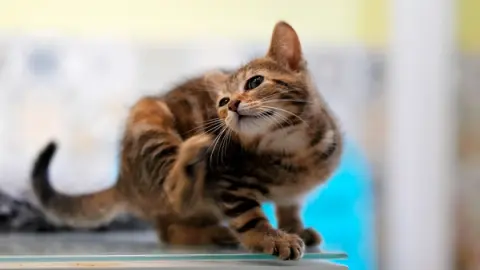
Under stress, some cats begin to overgroom, licking the same area repeatedly. Over time, this can lead to thinning hair, bald patches, or irritated skin, especially on the belly, inner thighs, or legs. Other cats may do the opposite and stop grooming, leaving the coat dull, greasy, or matted.
Both patterns are important to notice. If your cat’s grooming habits suddenly change, monitor them closely and consult your veterinarian, as pain and medical conditions can also cause grooming changes.
5. Changes In Vocalization
Cats use a wide range of sounds to communicate with their guardians. The pitch, volume, and frequency of meows can all shift depending on how they feel.
When a cat is anxious, you may notice more frequent, high-pitched, or restless-sounding meows, often described as short, repetitive “nyat” or “mrrp” sounds. Some cats may pace and vocalize, especially at night. Conversely, a normally talkative cat may become unusually quiet.
Research suggests that sudden changes in vocal patterns—either more or less—can be linked to stress, discomfort, or underlying health issues. If your cat’s voice or vocal habits feel “off,” observe the context: time of day, nearby triggers, and any other behavior changes.
6. Shifts In Appetite Or Litter Box Habits
The digestive and urinary systems are closely tied to stress in many animals, including cats. Heightened anxiety can lead to a sudden drop in appetite, changes in drinking, or shifts in litter box use.
You might notice that your cat:
- Eats less or skips meals
- Walks away from a food they previously loved
- Uses the litter box more or less often
- Urinates or defecates outside the box
While stress can certainly play a role, changes in appetite or elimination can also signal medical problems, some of which require prompt treatment. If these signs persist beyond a day or two, or if your cat seems unwell in any way, contact your veterinarian as soon as possible.
7. Different Clinginess Or Distance With Pet Parents
Stress can also show up in how your cat relates to you. Some anxious cats become suddenly clingy, following their pet guardian from room to room, demanding to be held, or refusing to be left alone. Others may withdraw, staying across the room, watching quietly, or avoiding contact they usually enjoy.
You might notice patterns such as:
- A cat who normally curls up on your lap suddenly keeping their distance
- A typically independent cat now insisting on constant closeness
These shifts in your usual bond can be subtle but meaningful. Any clear change in your cat’s preferred level of contact can be a sign of emotional stress, physical discomfort, or both.
Think Of Stress As A Change From Your Cat’s Normal
Across all seven signs, one theme stands out: stress in cats often appears as “different from their usual self.” Because cats are so sensitive, even small changes in environment or routine can have a big impact.
The most important skill for a pet guardian is not memorizing every possible symptom, but knowing your individual cat’s baseline—how they typically eat, sleep, play, groom, and interact. From there, you can quickly spot when something feels off.
Daily, gentle observation is a powerful tool. Noticing small changes early can protect both your cat’s physical health and emotional wellbeing.
When You Notice Stress, Start With The Environment
Once you recognize that your cat may be feeling anxious, experts recommend reviewing and adjusting their environment first.
Provide safe, elevated resting spots and quiet hiding places where your cat can retreat without being disturbed. Reduce sudden loud noises, chaotic activity, and unpredictable handling. Avoid forcing cuddles, picking up, or play when your cat is clearly tense or trying to move away.
You can also consider environmental enrichment and calming tools, such as:
- Stable routines for feeding, play, and rest
- Vertical spaces like cat trees and shelves
- Interactive play sessions to release energy
- Calming music or white noise to mask startling sounds
- Veterinarian-approved pheromone diffusers or sprays
If stress signs persist or worsen despite environmental changes, consult your veterinarian. They can rule out medical causes, discuss behavior support, and help you create a tailored plan for your cat.
Becoming The Kind Of Guardian Your Cat Can Rely On
Your cat’s body language—ears, tail, hiding, grooming, voice, appetite, litter box habits, and preferred distance from you—is a continuous stream of information about how they feel.
When you notice that your cat seems “just a bit different,” pause and look at the world from their eye level. Ask what might have changed in their surroundings, routine, or social life, and adjust what you can.
By staying observant, responding calmly, and creating a home where your cat feels consistently safe, you build a foundation of trust that supports them for a lifetime. That steady, reliable care is one of the greatest gifts a pet guardian can offer.
- 03.20.2026
- 06.29.2025