Why Dogs Eat Poop And How To Gently Stop Coprophagia
This article is an English translation of the original Japanese article. Read the original Japanese version.
Noticing your dog eating poop can be shocking and upsetting, but this behavior is more common than many pet parents realize. Learn the real reasons behind coprophagia and discover kind, science-informed strategies you can start using today to protect your dog’s health and your bond.
Key takeaways
Q. What are the main reasons dogs eat their own feces?
The causes include poor digestion or nutrition, wild instincts, owner reactions or fear, stress or boredom, and hunger.
Q. What health risks are associated with coprophagia?
Even their own feces cause hygiene and bad breath issues; others' feces risk parasites or bacteria, leading to diarrhea or vomiting.
Q. What measures can I start today to stop my dog from eating feces?
Quickly remove feces silently, review food and portions, train recall and wait, and reduce stress with more exercise and play.
Four Common Reasons Dogs Eat Poop
When a dog eats poop, the behavior is called coprophagia. It may look alarming or even disgusting to us, but for dogs it often has clear physical or emotional reasons. In many cases, it is a meaningful signal about what is going on in your dog’s body or mind.
Below are four of the most common causes veterinarians and behavior experts see in daily practice.
Instinctive Behavior From Poor Digestion Or Nutrient Gaps
If your dog’s regular food does not agree with their body, undigested nutrients can remain in the stool. Thanks to a dog’s powerful sense of smell, even a small amount of leftover food scent can make poop seem like something that is still edible. Some dogs will then instinctively try to “re-eat” those nutrients.
Growing puppies and very active dogs are especially prone to this. When calories, certain minerals, or vitamins are not meeting their needs, the body may drive them to seek out any available source of nutrition, including stool. From a biological standpoint, this is a survival behavior rather than a “bad habit.”
In addition, if a dog eats large meals only once or twice a day, the digestive tract may struggle to process everything efficiently. Food that passes through too quickly can leave the body before it is fully broken down, making the stool more appealing.
Leftover Wild Instincts And Maternal Habits
Modern companion dogs still carry many instincts from their wild ancestors. In the wild, leaving feces around a den could attract predators by scent. To reduce this risk, dogs sometimes ate their own stool to hide any trace of their presence.
Mother dogs also have a strong instinct to keep the whelping area clean and odor-free. They often lick and ingest their puppies’ urine and feces to protect them from predators and maintain hygiene. Puppies that watch this behavior may copy it, and for some, the habit can persist into adulthood.
In multi-dog households, one dog may try to “clean up” another dog’s stool as a social or caretaking behavior. Over time, this can turn into a repeated pattern of coprophagia.
Seeking Attention Or Coping With Fear
Many pet parents understandably react with a loud “No!” or rush over in a panic when they see their dog eating poop. From the dog’s perspective, this big reaction can feel like exciting attention. Some dogs quickly learn, “When I do this, my person comes running and focuses on me.” If they are bored or lonely, they may repeat the behavior just to get that intense response.
On the other hand, harsh punishment around toileting can create fear. If a dog has been scolded or frightened after a potty accident, they may start to associate the presence of poop with getting in trouble. In an attempt to avoid punishment, they may try to “erase the evidence” by eating it.
In both scenarios, coprophagia can be a sign of emotional stress or confusion in the relationship between dog and pet guardian, rather than simple stubbornness.
Everyday Stress, Boredom, And Hunger
Long hours alone, limited exercise, and a lack of mental stimulation can gradually build up stress in dogs. When there is nothing else to do, stool left in a crate or pen can become a strange kind of “toy” to sniff, paw at, and eventually taste. What starts as curiosity can turn into a habit.
In some cases, the root cause is more straightforward: the dog is simply not getting enough food. If daily portions are too small for their age, size, or activity level, they may feel constantly hungry and turn to stool as a last-resort snack.
Changes in the home environment—such as moving, a new family member, or schedule disruptions—can also increase anxiety. For some dogs, that anxiety shows up as coprophagia. Observing your dog’s overall lifestyle and recent changes is essential when you are trying to understand why the behavior started.
Health Risks Associated With Coprophagia
If your dog eats their own fresh stool, it usually does not cause an immediate life-threatening emergency. However, there are still important health and hygiene concerns to keep in mind.
Poop-eating can dirty the fur around the mouth, contribute to bad breath, and make close cuddles less pleasant. Over time, this can interfere with the easy, affectionate contact that strengthens your bond.
The risks increase significantly when a dog eats another animal’s stool or older, decomposing feces.
Risk Of Parasites And Bacterial Infections
Stool from other dogs or wildlife can contain invisible parasites and harmful bacteria. If your dog eats feces found on walks, at dog parks, or in shared outdoor spaces, they may be ingesting these pathogens directly.
This can lead to acute diarrhea, vomiting, and serious gastrointestinal infections. In some cases, dogs may require veterinary treatment, fluids, or medications to recover.
Even your own dog’s stool becomes riskier as time passes. Once feces sit exposed to air, environmental bacteria can quickly multiply on the surface. Re-ingesting this waste forces the digestive system and immune system to work harder than necessary.
For these reasons, experts strongly recommend reducing and eventually eliminating coprophagia whenever possible to protect your dog’s gut health and overall well-being.
A Possible Sign Of Underlying Disease
If your dog has never eaten poop before and suddenly starts, it can be a red flag for an underlying medical issue.
Certain endocrine disorders, such as diabetes mellitus or Cushing’s disease, can trigger intense, hard-to-satisfy hunger. A dog who feels constantly ravenous may begin eating things they previously ignored, including stool.
Conditions that affect digestion and absorption, such as exocrine pancreatic insufficiency (EPI), can also play a role. When the pancreas does not produce enough digestive enzymes, food is not properly broken down, and the body may not receive the nutrients it needs. Similarly, intestinal parasites can steal nutrients and leave a dog feeling persistently hungry.
If you notice a sudden change in appetite, weight, stool quality, or behavior, do not assume it is just a training problem. Schedule a veterinary exam promptly so your veterinarian can run appropriate tests and rule out or treat any hidden disease.
Five Practical Steps To Help Your Dog Stop Eating Poop
Coprophagia that has become a habit rarely disappears overnight. The most effective approach is calm, consistent management over time. Instead of scolding your dog, focus on creating a lifestyle where they naturally learn, “Poop is not for eating, and better things happen when I ignore it.”
Create An Environment Where Poop Is Hard To Access
The single most reliable strategy is preventing your dog from having the chance to eat stool in the first place. As soon as your dog finishes defecating, quietly and promptly pick up the poop. Avoid shouting, rushing, or making eye contact; simply remove it in a calm, neutral way.
Big reactions can accidentally turn poop time into an exciting event. A low-key, routine cleanup teaches your dog that there is nothing interesting about what just happened.
If you cannot be there to clean up right away—such as during long workdays—consider environmental adjustments. For example, you can:
- Use a litter tray or toilet system with a finer mesh so stool falls out of reach
- Increase the distance between your dog’s sleeping area and their toilet area
- Use barriers or gates to limit access to areas where stool might be left
Maintaining a long period during which your dog simply cannot reach poop helps break the cycle. The longer the habit is interrupted, the more likely it is to fade.
Improve Diet Quality And Digestibility
Next, take a close look at your dog’s nutrition. High-quality, highly digestible dog food can reduce the amount of undigested material in the stool, making it less appealing.
Foods that feature animal-based proteins such as meat or fish as the primary ingredients are generally easier for dogs to digest and support healthier body condition. If you are unsure whether your current food is a good match, discuss options with your veterinarian or a qualified pet nutrition professional.
Also review the recommended daily feeding amount on the package and recalculate based on your dog’s current weight, age, and activity level. Many pet guardians discover they are unintentionally underfeeding or overfeeding once they double-check the guidelines.
Feeding smaller, more frequent meals throughout the day can also support better digestion and may reduce the urge to seek out extra “snacks” like stool.
Loading...
Use Training To Redirect Focus Away From Stool
Training is a powerful tool for shifting your dog’s attention. As soon as your dog finishes pooping, cheerfully call them to you with a cue such as “Come!” in a bright, happy voice. When they come, immediately reward them with a high-value treat and enthusiastic praise.
Over time, your dog learns that running to you after pooping is far more rewarding than investigating the stool. This simple routine can dramatically reduce opportunities for coprophagia.
You can also teach and strengthen cues like “Wait” or “Leave it”. When your dog starts to move toward the stool, give the cue. If they pause or turn away, mark the behavior with a “Yes!” or a click and reward generously.
Focus on building positive experiences for making the right choice, rather than punishing mistakes. Instead of saying “No!” harshly, show your dog that ignoring the stool leads to treats, praise, and connection with you. Over time, your relationship itself becomes the best reward.
Increase Exercise, Play, And Emotional Fulfillment
Meeting your dog’s emotional and physical needs is a core part of resolving coprophagia. Many dogs eat poop out of boredom, frustration, or pent-up energy.
Try extending daily walks, exploring new routes, or visiting safe new environments so your dog can enjoy fresh scents and experiences. Sniffing is mentally enriching and can be just as tiring as physical exercise.
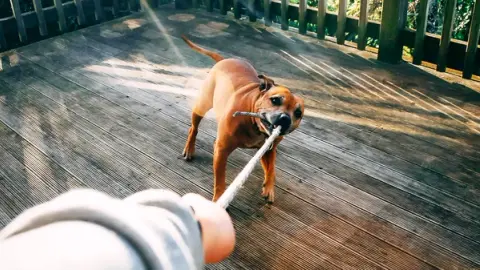
At home, add interactive play such as tug games, fetch, or hide-and-seek with toys. Puzzle feeders and treat-dispensing toys can also keep your dog’s brain engaged and reduce the temptation to fixate on stool.
As your dog’s days become more satisfying and predictable, stress levels often drop and unwanted behaviors naturally decrease. Good-quality sleep after appropriate exercise further supports emotional balance and healthy behavior.
Moving Forward With Kindness And Confidence
Living with a dog who eats poop can feel discouraging and even embarrassing. Many pet guardians blame themselves or feel frustrated when progress is slow.
Remember that your dog is not trying to upset you. Their behavior has roots in instinct, health, or emotional needs. Your role is not to punish, but to guide and support them toward healthier choices.
By combining thoughtful management, digestible nutrition, positive training, and richer daily experiences, you can gradually reduce and often eliminate coprophagia. Work at your dog’s pace, celebrate small improvements, and reach out to your veterinarian or a qualified behavior professional if you need extra support.
With patience and consistency, you and your dog can rebuild a clean, comfortable, and trusting life together—one where your bond grows stronger and everyday moments feel easier and more joyful.
- 04.07.2026