How To Tell If Your Dog Is Really Smiling Understanding Happy Grins Versus Stress Signals
This article is an English translation of the original Japanese article. Read the original Japanese version.
Many pet parents swear their dog smiles at them, but is that really what is happening? Learn how to tell the difference between a relaxed social smile, a playful grin, and stress signals so you can respond to your dog’s true feelings with confidence.
Key takeaways
Q. How are a dog's social smile and play face different?
A social smile is a calm, relaxed expression, while a play face appears during play as an excited "let's play more" signal.
Q. What signs show that a dog is truly happy?
Soft eyes, a slowly wagging tail, play bows, leaning or snuggling against you, and light breathing are signs of happiness.
Q. What can owners do to bring out a dog's smile?
Provide a secure life, enough walks and play, praise-based training, and build trust to bring out your dog's smile.
In homes around the world, pet parents share the same thought at least once a day.
Is my dog actually smiling at me?
Maybe you notice it when you are cuddling on the couch, or when your dog races over with a toy and a wide, open mouth. It looks like joy, but what does that expression really mean?
This guide explains what canine “smiles” are from a behavioral and scientific perspective, how to tell happy expressions from stress, and what you can do to encourage more genuinely happy moments with your dog.
What Does A Dog Smile Really Look Like
Dogs do not smile in the same way humans do, but they do have facial expressions that strongly resemble a smile. Two of the most important are often confused with each other in everyday life and even in some pet media.
Experts commonly talk about:
- The social smile a calm, friendly expression often seen during relaxed contact with people
- The play face a lively, open mouthed expression seen during energetic play
Understanding the difference between these two helps you read your dog’s emotions more accurately and respond in ways that support their wellbeing.
The Gentle Social Smile Calm Happiness With Their Favorite Humans
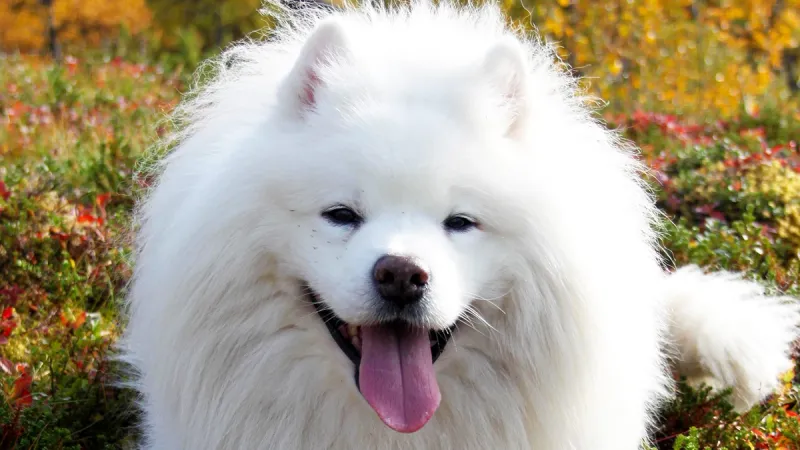
The social smile is a soft, relaxed expression that many pet parents instinctively recognize but may not know how to describe. It is closely associated with positive emotions and social bonding between dogs and humans.
Behavior specialists use this term as a convenient “expression category” rather than a strict scientific label, but the look is surprisingly consistent across many dogs.
Typical features of a social smile include:
- The mouth gently loosening or parting
- The corners of the mouth slightly lifting
- The overall face looking soft and relaxed
- Appearing most often during gentle petting, quiet together time, or moments of contentment
When you see this expression, your dog is usually feeling safe, calm, and pleasantly connected to you. It is less about excitement and more about quiet satisfaction and trust.
The Play Face A Big Grin That Says Let’s Have Fun
In contrast, the play face is a clearly defined expression that has been studied in dogs and wolves during play behavior. It is a visual signal that says, “This is fun” and “I want to keep playing.”
You will often notice a play face during chase games, tug, or when dogs are wrestling with each other in a friendly way.
Common features of a play face include:
- The mouth opened wide, narrower than a full yawn but wider than gentle panting
- Some teeth may be visible without any stiffness or snarling
- The eyes look soft or bright with excitement, not hard or staring
- Frequently paired with a play bow, where the front legs stretch forward and the rear end stays up
This expression carries a clear message of high energy, positive excitement. While the social smile reflects calm happiness, the play face is your dog’s way of saying, “I am having a great time, let’s keep going.”
When A Smile Look Alike Is Actually Stress
Canine facial expressions are more complex than a simple happy versus unhappy scale. Sometimes what looks like a big grin is actually a sign of discomfort or stress.
One of the most important examples is stress panting.
Stress panting happens when a dog is breathing rapidly with the mouth open and tongue out, even though they are not overheated and have not just exercised heavily. Because the mouth is open, it can easily be mistaken for a happy, smiling face.
However, in this situation the body is usually trying to cope with tension, anxiety, or overwhelming excitement rather than joy.
Warning signs that panting may be stress related include:
- The eyes are wide or round, sometimes showing more of the white
- The ears are pinned back or held tightly to the sides
- The body looks stiff, low, or ready to move away
When you are deciding whether your dog is truly smiling, it is essential to look beyond the face alone. Always read the whole dog:
- Body direction and posture
- Tail height and movement
- Ear position
- The surrounding situation and recent events
This full body check gives you a much more accurate picture of how your dog is feeling.
Clear Signs Your Dog Is Genuinely Happy
To recognize a truly happy dog, combine facial expressions with body language and context. Dogs are excellent at “talking with their bodies,” and they rarely rely on just one signal.
Some of the most reliable signs of contentment and joy include:
- Soft eyes The gaze is gentle, sometimes slightly squinty, without a hard stare
- A relaxed, sweeping tail wag The tail moves loosely from side to side, often at a moderate pace
- A comfortable body posture Muscles look loose, not rigid, and the dog moves with easy, flowing motions
When your dog is feeling playful and delighted, you may also see a play bow. In this posture, the front legs stretch forward and the chest lowers toward the ground while the hindquarters stay up.
Dogs use the play bow to invite games, show that rough movements are meant in fun, and express that their excitement feels good rather than overwhelming. Many behavior experts consider it one of the clearest expressions of “I am having fun with you.”
In addition, happy and secure dogs often:
- Gently lean their body weight against their pet guardian
- Nuzzle or press their face into a familiar person
- Breathe with a light, easy rhythm that matches their relaxed expression
When these signals appear together, the “smile” you see is very likely a true reflection of comfort, affection, and joy.
How To Encourage More Genuine Smiles From Your Dog
If you want to see more of your dog’s happy expressions, focus on building a lifestyle that feels safe, predictable, and rewarding from their point of view. Research and clinical experience both support the idea that low stress and positive interactions lead to more relaxed, joyful behavior.
Consider these core principles:
- Prioritize daily movement and play Make time every day for walks, sniffing opportunities, and interactive games that match your dog’s age and health.
- Use reward based training Emphasize praise, treats, and play to reinforce desired behaviors instead of relying on scolding or punishment.
- Create a calm home environment Provide a quiet resting area, clear routines, and gentle handling so your dog knows what to expect.
Each successful training moment and each positive interaction adds to your dog’s sense of competence and security. Over time, this often shows up as softer facial expressions, more confident body language, and more frequent “smiling” moments.
Most importantly, the deeper the bond between dog and pet guardian, the more freely the dog will share their emotions. Dogs are far more likely to relax their faces, lean in, and show those tender social smiles when they trust the person in front of them.
A Dog’s Smile As A Sign Of Love And Social Connection
When your dog shows an expression that looks like a smile, it is usually linked to positive emotional states such as comfort, affection, or playful excitement. At the same time, it is important not to judge by appearance alone.
To truly understand your dog, always interpret their feelings through a combination of facial expression, body language, and the situation around them. This approach is what behavior specialists and veterinarians rely on in practice.
Dogs do not smile for the same reasons or in the same way humans do. Yet there is no doubt that they have expressions that communicate happiness, safety, and social warmth to the people they love.
These special expressions are part of the unique social bond that has developed over thousands of years of living alongside humans. In many ways, a dog’s smile is a quiet celebration of that partnership.
Nurturing More Happy Moments With Your Dog
Every time you respond thoughtfully to your dog’s body language, you strengthen the trust between you. By learning to distinguish relaxed social smiles, joyful play faces, and stress signals, you become better equipped to protect your dog’s emotional wellbeing.
Offer consistent care, gentle guidance, and plenty of positive experiences, and your dog will feel safer showing you their true feelings. In that space of trust, those soft eyes, loose bodies, and unmistakable “smiles” become more than just cute expressions they become daily reminders of the deep connection you share.
Use that knowledge to shape your routines, your training, and your playtime, and you will be actively helping your dog live a happier, more confident life by your side.
- 03.20.2026
- 11.06.2025