10 Things You Should Never Do To Your Dog And What To Do Instead
This article is an English translation of the original Japanese article. Read the original Japanese version.
Loving your dog means more than cuddles and treats. Discover 10 common mistakes pet parents often make without realizing it, and learn safer, vet‑informed alternatives that protect your dog’s health, happiness, and trust in you.
Living with a dog is one of life’s greatest joys, but genuine care goes far beyond “spoiling” them with treats and affection. Some everyday human habits can cause serious stress or even medical problems for dogs, often without their pet parents realizing it.
This guide walks you through 10 things you should never do to your dog and offers safer, expert-backed alternatives so you can protect your dog’s body and mind.
1. Giving Chocolate, Grapes, or Other Toxic Foods
Chocolate is one of the most well-known toxic foods for dogs. The compound theobromine found in cocoa is broken down very slowly in a dog’s body, which means even small amounts can build up and trigger poisoning. Dark chocolate and baking chocolate are especially dangerous.
Grapes and raisins are another serious concern. Research and clinical reports show that some dogs can develop acute kidney failure after eating even a small quantity. Because there is no way to predict which dogs will react, experts recommend treating all grape and raisin exposure as an emergency.
In addition, onions, garlic, and other allium vegetables can damage red blood cells, and xylitol (a common sugar substitute in gum, candy, and some peanut butters) can cause a rapid drop in blood sugar and liver failure.
Action step: Never assume “a little bit is fine.” Keep toxic foods completely out of reach and only offer treats that are specifically formulated and labeled as safe for dogs.
2. Yanking Or Jerking The Collar
When a dog pulls on leash, many pet guardians instinctively pull back or give a sharp correction on the collar. This can place intense pressure on the trachea (windpipe) and cervical spine, increasing the risk of tracheal collapse, neck injuries, and chronic pain, especially in small breeds and brachycephalic (short-nosed) dogs.
Repeated collar corrections can also make walks more stressful, causing some dogs to associate the outdoors or other dogs with discomfort or fear.
Action step: Experts recommend using a well-fitted harness that takes pressure off the neck and focusing on positive reinforcement leash training. Reward your dog for walking by your side instead of punishing pulling.
3. Leaving Your Dog Alone In The Car
A parked car can become dangerously hot in minutes, not just in peak summer but also on mild spring or autumn days. Cracking the windows does not provide adequate ventilation or cooling. Dogs can quickly develop heatstroke, which is life-threatening and can cause organ damage or death.
Even on cooler days, being confined in a car can be frightening and stressful for many dogs. There is also the risk of theft or accidental escape if a window is left open.
Action step: Do not leave your dog unattended in a vehicle, even “just for a few minutes.” Plan errands so your dog can stay safely at home, or bring another adult who can stay with your dog outside the car.
4. Expecting Your Dog To Cope With Long Hours Alone
Dogs are highly social animals that rely on companionship and routine. Being left alone for long stretches day after day can lead to loneliness, anxiety, and separation-related behaviors such as destructive chewing, excessive barking, or house soiling.
Some dogs appear to “sleep all day,” but chronic under-stimulation and isolation can still affect their mental well-being and may contribute to depression-like symptoms.
Action step: If your schedule requires long absences, consider:
- Dog walkers or pet sitters to provide mid-day breaks
- Doggy daycare for social, well-matched dogs
- Interactive toys and puzzle feeders to keep your dog mentally engaged
Creating a predictable routine and a safe, comfortable resting area also helps your dog feel more secure when alone.
5. Punishing Your Dog For Barking
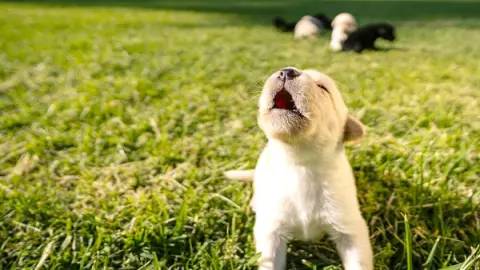
Barking is a normal and important form of communication for dogs. They may bark out of fear, alertness, frustration, or a desire for attention. When pet parents respond with yelling, harsh corrections, or punishment, the dog’s underlying emotion—often anxiety or confusion—can intensify.
Over time, this can damage your dog’s trust and may even lead to more serious behavior issues, including fear-based aggression or shutdown behavior where the dog appears “quiet” but is actually highly stressed.
Action step: Instead of trying to “shut down” barking, identify and address the cause. For example:
- Fear or alert barking → manage the environment, increase distance, and use counterconditioning
- Boredom or frustration → increase exercise and mental enrichment
- Attention-seeking → reward calm behavior and avoid reinforcing barking with attention
Working with a force-free, positive reinforcement trainer or veterinary behaviorist can be invaluable for persistent barking issues.
6. Giving Human Medications Without Veterinary Guidance
A dog’s body processes drugs very differently from a human’s. Medications that are safe for people—including common pain relievers, cold medicines, and sleep aids—can be toxic or even fatal to dogs at surprisingly low doses.
Self-medicating your dog can delay proper diagnosis and treatment, making a manageable condition much more serious. Even over-the-counter products and herbal supplements can interact with other medications or underlying diseases.
Action step: Never give your dog human medication unless your veterinarian has specifically prescribed that exact product and dose. If your dog seems unwell, contact your vet or an emergency clinic for advice instead of reaching into your own medicine cabinet.
7. Forcing Constant Cuddles Or Handling
Many dogs enjoy affection, but that doesn’t mean they want to be touched or picked up all the time. Forcing hugs, kisses, or handling—especially when your dog is sleeping, eating, or clearly trying to move away—can create significant stress and defensive reactions such as growling or biting.
Dogs often give subtle signals before they feel the need to escalate, including turning their head away, lip licking, yawning, or stiffening. When these signals are ignored, they may feel they have no choice but to protect themselves.
Action step: Learn to read your dog’s body language and respect their boundaries. Offer your hand, invite them onto the couch or into your lap, and let them choose whether to come closer. Affection should always be a choice, not a demand.
8. Not Providing Enough Daily Exercise And Enrichment
All dogs need regular physical activity and mental stimulation, though the ideal amount varies by age, breed, and health status. Insufficient exercise can contribute to obesity, joint issues, and a wide range of behavior problems driven by pent-up energy or boredom.
High-energy breeds—such as many herding, working, and hunting dogs—often require significantly more than a quick walk around the block. Without appropriate outlets, they may become restless, vocal, destructive, or anxious.
Action step: In addition to daily walks, consider:
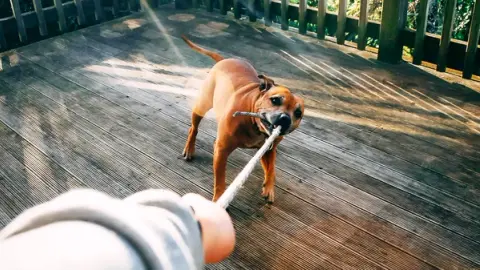
- Play sessions like fetch, tug, or scent games
- Training sessions that teach new cues and tricks
- Puzzle feeders and interactive toys to engage your dog’s brain
Adjust the intensity and duration of exercise based on your dog’s age, fitness level, and any medical conditions, and consult your veterinarian if you are unsure what is appropriate.
9. Skipping Flea, Tick, And Heartworm Prevention
Parasites such as fleas, ticks, and heartworm-carrying mosquitoes are more than just a nuisance. They can transmit serious diseases, including skin infections, anemia, tick-borne illnesses, and heartworm disease, which can be life-threatening and costly to treat.
Even primarily indoor dogs are not completely safe—parasites can hitch a ride on clothing, other pets, or through brief trips outdoors. Climate change and shifting parasite ranges also mean that many regions now face longer or year-round risk.
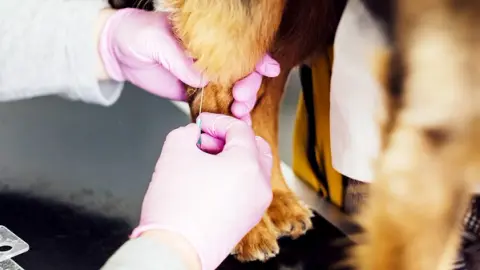
Action step: Work with your veterinarian to create a consistent, year-round parasite prevention plan tailored to your dog and your local risk. Use only vet-recommended products and follow dosing instructions carefully.
10. Skipping Training And Hoping Dogs “Figure It Out”
Dogs are not born understanding human rules. Without guidance, they may develop habits—such as inappropriate chewing, jumping, or rough play—that are frustrating for humans and confusing for the dog when they are suddenly punished for them.
Modern behavior science supports reward-based training as the most effective and humane way to teach dogs how to live comfortably in a human world. When dogs are consistently rewarded for desired behaviors, they learn faster and feel more secure.
Action step: Focus on reinforcing what you want, not just reacting to what you don’t want. For example, reward your dog for:
- Sitting politely instead of jumping
- Chewing on appropriate toys instead of furniture
- Being quiet and calm instead of barking for attention
Short, fun training sessions built into daily life help strengthen your bond and make your home more peaceful for everyone.
Choosing Better Habits For A Lifetime Of Trust
Dogs are smaller, more vulnerable, and far more sensitive to their environment than we often realize. By understanding what can harm them—physically and emotionally—pet parents can make more informed, compassionate choices every day.
When you avoid these 10 common mistakes and replace them with safer, science-backed habits, you protect your dog’s health, reduce stress, and deepen the trust you share. Every walk, meal, cuddle, and training session becomes an opportunity to show your dog that they are safe, understood, and loved.
Your dog’s life is wonderfully short and precious. The more thoughtfully you care for them now, the more happy, healthy years you can enjoy side by side.
- 03.02.2026
- 09.21.2025