Calico Cats Explained The Genetics, Coat Patterns, And Breeds Behind These Tricolor Beauties
This article is an English translation of the original Japanese article. Read the original Japanese version.
Calico cats are more than just pretty patches of white, black, and orange. Discover what makes their coats so rare, why most calicos are female, and which breeds and pattern variations pet parents can look for when welcoming a calico into the family.
Calico cats have a way of stopping people in their tracks. Their vivid mix of white, black, and orange can feel almost magical, and some pet parents even joke that calicos must have a “special nutrient” in their fur because they are just that irresistible.
In reality, calico coats are the result of fascinating genetics, specific breed standards, and a few beautiful variations in pattern and color. Understanding these details can help pet guardians appreciate their calico companions on a deeper level.
How Does A Calico Coat Happen
To see a classic calico pattern, a very specific genetic combination has to come together. The key is that the genes responsible for orange and black coat color are carried on the X chromosome.
Because of this, the vast majority of calico cats are female. Female cats have two X chromosomes (XX), which allows them to carry both the orange and black color genes, along with white spotting from other genes. Male cats typically have only one X chromosome (XY), so they usually express either orange or black, not both.
On rare occasions, a male cat may be born with an extra X chromosome (XXY). These males can show a calico pattern, but male calicos are extremely uncommon and are often sterile due to the underlying chromosomal difference. Veterinarians consider them genetic exceptions rather than the norm.
It is also important to know that not every cat can naturally develop a calico coat. Breed standards and color restrictions can limit which patterns are allowed.
For example, Siamese cats are recognized for their pointed coloration only. Their breed standard does not include calico, so a true Siamese will not appear in a calico pattern.
In other words, calico is not a universal option for every cat breed. It appears only when both genetics and breed standards align.
Cat Breeds Where Calico Is Recognized
Many mixed-breed domestic cats can be calico, but several pedigreed breeds also recognize calico or calico-type patterns. Below are some well-known breeds where pet parents may encounter these tricolor coats.
Japanese Bobtail
When people think of a traditional Japanese cat, many picture the Japanese Bobtail. This breed is famous for its short, pom-pom-like tail and lively personality.
Calico is one of the most iconic patterns in Japanese Bobtails. The combination of a compact, curled tail and a bold tricolor coat gives them a distinctly "classic Japanese" look that is celebrated in art and folklore.
Maine Coon
The Maine Coon, originating from the U.S. state of Maine, is one of the largest domesticated cat breeds. These cats are known for their substantial bone structure, luxurious semi-long coat, and impressive, plume-like tail.
Many pet guardians affectionately call Maine Coons "gentle giants" because of their typically calm, friendly nature. When that temperament is paired with a calico coat, the result is a visually striking, yet often easygoing companion.
Norwegian Forest Cat
The Norwegian Forest Cat hails from the forests of Norway and is built for cold climates. This breed sports a dense double coat, tufted ears, and a strong, athletic body.
In calico Norwegian Forest Cats, the thick, fluffy fur showcases patches of white, black, and orange in a way that can look almost storybook-like. The combination of a rugged, outdoor-ready build with a painterly calico pattern is especially eye-catching.
British Shorthair
The British Shorthair is a sturdy, round-faced cat breed that originated in the United Kingdom. Many people recognize them in a solid blue-gray color, but the breed comes in a wide range of shades and patterns.
Calico British Shorthairs exist as well, and their dense, plush coat can make the tricolor patches appear particularly soft and velvety. For pet parents who love a calm, somewhat reserved companion, a calico British Shorthair can be a wonderful match.
Exotic Shorthair
The Exotic Shorthair is often described as the short-haired cousin of the Persian. These cats have a round head, large eyes, and a slightly flattened nose that gives them a sweet, open expression.
Calico is one of the accepted color patterns in Exotic Shorthairs. On this breed, the shorter, thick coat allows the calico patches to stand out clearly, highlighting their charming facial features and compact body.
Different Types Of Calico Patterns
Not all calicos look the same. Even within the calico category, there are several recognized variations in color intensity and pattern.
Classic Calico
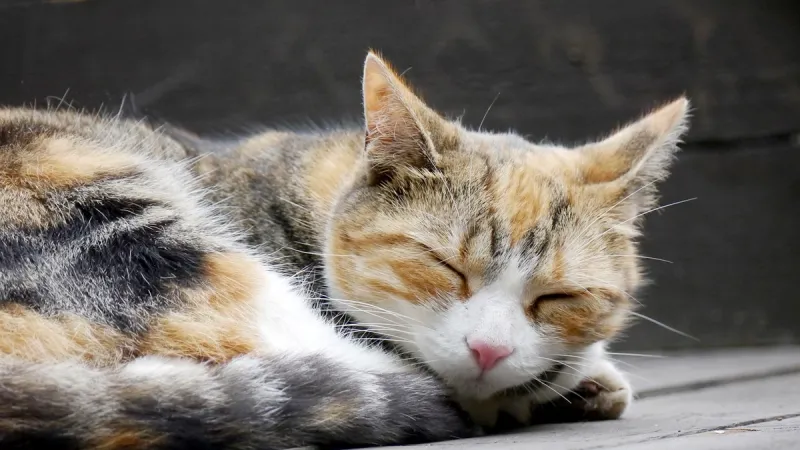
When most people say "calico," they are picturing the classic calico pattern. This is typically a white base coat with distinct, well-defined patches of black and orange.
The contrast between the bright white and the bold dark and orange areas makes this pattern especially striking. If you want a high-contrast, instantly recognizable calico, the classic version is what you are likely imagining.
Dilute Calico
A dilute calico has the same basic pattern layout as a classic calico but with softer, lighter colors. Instead of black and bright orange, the patches appear as gray (blue) and cream on a white background.
This gives dilute calicos a gentler, pastel-like appearance. Pet guardians who prefer a more muted, dreamy color palette often find dilute calicos particularly appealing.
Calico Tabby
Another variation is the calico tabby, sometimes called a patched tabby. In this pattern, the black and orange areas are not solid; instead, they show subtle tabby striping within the colored patches.
From a distance, a calico tabby may look similar to a classic calico, but up close you can see the familiar tabby lines and swirls running through the orange and darker areas. This adds an extra layer of visual interest to the coat.
What Does Calico Mean
The word "calico" may sound unique to cats, but it actually comes from the textile world. Historically, Calico referred to colorful cotton fabrics produced in the port city of Calicut in India.
As these patterned fabrics spread through Europe, the term "calico" became associated with multicolored, patchy designs. Over time, English speakers began using "calico" to describe cats whose coats resembled those vibrant, patterned textiles.
In Japan, the traditional term "mike-neko" (literally "three-fur cat") has long been the standard way to describe these tricolor cats. However, as international pet culture has become more connected, the English term "calico" has also become familiar to many Japanese pet parents.
Celebrating The Calico Cats In Your Life
Calico cats bring together striking color, intriguing genetics, and the unique personality of each individual cat. From the breeds that showcase calico patterns to the subtle differences between classic, dilute, and calico tabby coats, there is a lot to appreciate beyond their good looks.
For pet guardians considering a calico companion, experts recommend focusing not only on coat pattern but also on temperament, health history, and lifestyle fit. A beautiful coat is just one part of a long, happy relationship.
There are many more breeds where calico patterns can appear, including Persians, Scottish Folds, and Siberians, each with their own charm and care needs. Exploring these options with a reputable breeder, rescue, or shelter can help you find the right match.
If you already share your home with a calico, consider celebrating them by documenting their unique markings and personality. Many pet parents enjoy sharing photos and stories on social media communities dedicated to cats, where calico fans from around the world connect and learn from one another.
Your journey with a calico cat is an opportunity to deepen your understanding of feline genetics, behavior, and care. By staying curious, working closely with your veterinarian, and honoring your cat’s individual needs, you can build a lifetime of trust and companionship with your tricolor friend.
- 03.02.2026
- 04.29.2025