Can You Keep an Asian Small Clawed Otter As a Pet? What Every Pet Guardian Must Know First
This article is an English translation of the original Japanese article. Read the original Japanese version.
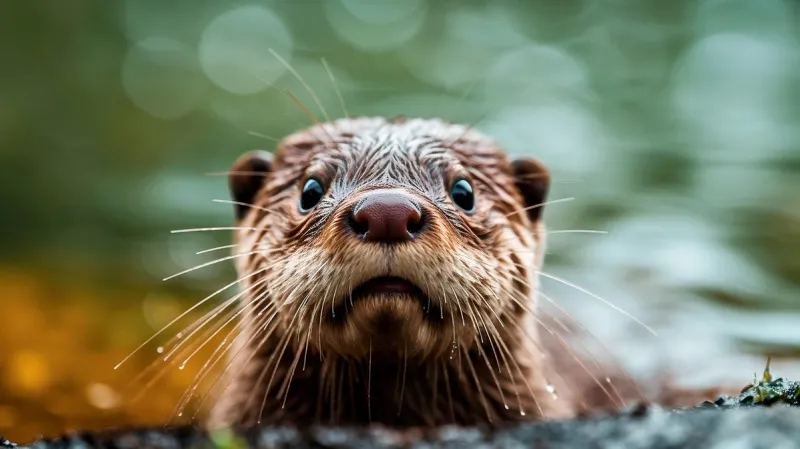
With their bright eyes and tiny paws, Asian small clawed otters look like living plush toys. But behind the cuteness are strict laws, complex care needs, and serious ethical questions that every potential pet guardian must understand before even considering bringing one home.
Key takeaways
Q. Is it possible to keep a small-clawed otter privately in Japan?
Due to CITES and animal welfare law regulations, legally obtaining and keeping one is extremely difficult.
Q. What kind of facilities and environment are needed to keep a small-clawed otter?
They need a large exercise area, a bathing pool with clean water, sound measures, and multi-keeping or close interaction.
Q. What should be considered for a small-clawed otter's diet and health care?
Provide fresh high-protein food, enough play and stimulation, and secure a vet that can treat otters in advance.
Asian small clawed otters have exploded in popularity on TV and social media. Their big, curious eyes and quick little paws make them look almost unreal, and it is easy to imagine how fun it might be to live with one.
However, experts stress that keeping an otter at home is only possible in very limited situations and under extremely strict conditions. In this guide, you will learn the essential facts about the species, the legal barriers, what their daily care really involves, and the ethical issues that responsible pet guardians must consider.
What Is an Asian Small Clawed Otter
The Asian small clawed otter is a small otter species native to Southeast Asia, with a body length of around 50 to 60 cm. As the name suggests, they have short, delicate claws rather than the long, sharp claws seen in some other otter species.
They are highly intelligent, social, and expressive animals. Many guardians and keepers describe them as very people oriented with rich emotional expression, which is one reason they attract attention as potential companion animals.
Asian small clawed otters also love water. Videos of them swimming and playing in pools, bathtubs, or large tanks are widely shared online. Their appeal is not just in how they look, but also in their animated movements, vocalizations, and facial expressions.
Can You Legally Keep an Otter in Japan
This is where the situation becomes very serious.
In Japan today, keeping an Asian small clawed otter at home involves multiple legal hurdles, and for most people, it is not realistically achievable. First, this species is listed under the Washington Convention CITES, which strictly regulates international trade in wildlife.
Due to past smuggling cases that were widely reported in Japan and abroad, new imports of otters are now essentially prohibited. As a result, it is extremely difficult for private individuals to obtain an otter through legal channels.
In addition, revisions to Japan’s Act on Welfare and Management of Animals mean that many otters fall under categories that require special permits from local governments. To receive permission, facilities must meet strict standards, and guardians must demonstrate specialized knowledge, appropriate housing, and a robust management system.
Even when otters are circulating through legal routes, they are very rare and extremely expensive, with prices often exceeding one million yen. When you combine the legal restrictions, the scarcity of animals, and the high cost, keeping an otter because you “just want to try it” is not a realistic option for the average household.
What Kind of Environment Does an Otter Need
Even if a guardian manages to meet all legal requirements, proper otter care demands substantial space, equipment, and time.
Asian small clawed otters are very active animals with high exercise needs. They require a spacious enclosure and a dedicated play area to move, climb, explore, and interact. Without enough space and stimulation, they are likely to develop stress, frustration, and behavior problems.
Access to water is non negotiable. Otters need a pool or large tank where they can swim and bathe daily. The water must be kept clean, which means frequent cleaning, filtration, and careful water quality management. This is a major ongoing commitment, not a one time setup.
Noise is another factor many people underestimate. Otters can produce surprisingly loud, sharp vocalizations, especially when excited, stressed, or calling to companions. In many homes, soundproofing or careful consideration of neighbors would be necessary.
Otters are also highly social animals. Many individuals do poorly in strict solitary housing and may become lonely, anxious, or frustrated. To support their welfare, guardians often need to provide multi otter housing or extremely frequent, high quality interaction. This level of social care is difficult to maintain for most busy households.
Diet, Enrichment, And Health Care For Otters
In the wild, Asian small clawed otters eat a variety of aquatic prey. In human care, their diet typically centers on high protein foods such as fish, poultry, and specially selected commercial diets like certain cat foods.
To support long term health, guardians must carefully balance nutrients and provide fresh, high quality ingredients every day. This is not a species that can thrive on a simple, one size fits all diet. Sudden changes or poor quality food can quickly lead to digestive or metabolic problems.
Otters are playful, curious, and easily bored. They need daily, structured playtime and mental stimulation. Experts recommend providing:
- Interactive puzzle toys that encourage problem solving and foraging
- Water play equipment such as floating toys and objects to chase or retrieve
- Varied environments with tunnels, platforms, and safe items to manipulate
Without this level of enrichment, otters may develop stereotypic behaviors, destructive chewing, or aggression.
From a medical standpoint, Asian small clawed otters are considered exotic animals, and not all veterinary clinics are equipped or willing to treat them. This is a critical point many people overlook.
Before acquiring an otter, it is essential to identify a veterinary hospital with experience in exotic mammals and, ideally, otters specifically. Waiting until the animal is already ill can result in delayed treatment and poorer outcomes, simply because appropriate care is not immediately available.
Key Considerations Before You Decide To Keep An Otter
By this point, many readers may be thinking that keeping an otter sounds far more difficult than they first imagined. That reaction is not only understandable, it is healthy and responsible.
Asian small clawed otters are, in reality, high maintenance, high cost animals that require advanced care, specialized housing, and significant financial and time investment. When guardians start with only a vague idea of how cute they are, both the otter and the human often end up unhappy.
There is also a broader ethical context. In several countries, overharvesting and illegal capture for the pet trade have become serious conservation concerns. Internationally, there is growing debate about whether otter cafes and private ownership for entertainment purposes can ever be considered ethical, given the species’ natural behavior and welfare needs.
Before moving forward, ask yourself:
- Do I truly understand this species’ natural behavior, social structure, and environmental needs
- Can I realistically provide appropriate housing, water access, enrichment, and veterinary care for the animal’s entire lifetime
- Am I certain that my interest in otters will not contribute to illegal trade or poor welfare practices
If you cannot confidently answer yes to all of these questions, the most compassionate choice may be to appreciate otters through ethical facilities, documentaries, and conservation programs, rather than trying to keep one at home.
Choosing A Future That Puts Otter Welfare First
Asian small clawed otters are undeniably charming, intelligent, and engaging animals. Precisely because of these qualities, they deserve guardians and facilities that can fully meet their complex needs, not impulsive decisions driven only by appearance or social media trends.
For most pet parents and pet guardians, the most responsible path is to support otter conservation, visit accredited zoos or sanctuaries, and choose companion animals whose needs can be realistically and humanely met in a home environment.
By making thoughtful, well informed choices, you help ensure that otters are valued not just as cute internet stars, but as wild animals whose welfare, habitats, and future truly matter.
- 03.20.2026
- 04.15.2025