Choosing Your First Hamster Companion Made Easy
This article is an English translation of the original Japanese article. Read the original Japanese version.
Thinking about welcoming a hamster into your home but not sure which type is right for you? Discover the five most popular hamster breeds, how they differ in size and personality, and which ones experts consider best suited for first-time pet parents.
Key takeaways
Q. For first-time owners, which hamster type is easier to keep?
Golden hamsters are relatively calm, tame easily, and are larger, so they are suitable for first-time owners.
Q. Which hamster type tends to live longer?
Roborovski hamsters have a relatively long lifespan of about 2.5–3.5 years, with some living close to 4 years.
Q. Are 'Panda hamsters' and 'Kinkuma hamsters' different species?
Both are color variations of the Golden (color) hamster and are not separate species.
Getting to know the different types of hamsters is one of the most enjoyable parts of preparing for your new companion. Once you understand their unique personalities, sizes, and care needs, you are far more likely to find the hamster that truly fits your home and lifestyle.
The 5 Most Popular Hamsters You Will See In Japan
In Japan, pet shops and breeders most commonly offer five main types of hamsters. Each is adorable in its own way, but they differ in body size, temperament, and how easy they are to handle.
Choosing the right type is less about which is "cutest" and more about which hamster’s natural traits match your daily routine and experience level as a pet guardian.
Golden Hamster
The Golden Hamster is often considered the classic pet hamster. With a body length of around 15–20 cm, they are one of the larger species kept as companions and have a strong, reassuring presence.
Many Golden Hamsters are gentle, calm, and relatively easy to handle. They usually become accustomed to people with consistent, positive interaction. Because of this, experts often recommend Golden Hamsters for first-time pet parents who want a hamster they can interact with regularly.
Their average lifespan is about 2–3 years, and with excellent care and a stable environment, some individuals may live even longer. However, Golden Hamsters tend to be territorial, so pet professionals strongly advise keeping them singly rather than in pairs or groups to prevent stress and fighting.
Color Hamsters
From Golden Hamsters, breeders have selectively developed what are commonly called Color Hamsters.
As the name suggests, these hamsters come in a wide range of coat colors and patterns, including:
- Violet
- Black
- Albino
- Black and White
- Apricot
- Domino
- Silver
- Chocolate
Many of these colors are also available in both short-haired and long-haired varieties. Well-known types such as “Panda” hamsters and “Cinnamon Golden” (often called "Kinkuma" in Japan) are actually Color Hamsters derived from the Golden line.
Dwarf Hamsters
The remaining four popular types are all smaller than the Golden and are often grouped as dwarf hamsters. They are compact, quick, and irresistibly cute, but some can be a bit more challenging to handle, especially for young children.
Djungarian Hamster
The Djungarian Hamster (often called the Winter White Dwarf Hamster) is a small species, typically around 7–10 cm in length. Their round body and bright, beady eyes give them an especially charming appearance.
Djungarian Hamsters are generally mild-mannered and relatively easy to tame. With patient, gentle handling, many will become comfortable taking treats from your hand and even sitting calmly for short periods.
They also offer a variety of coat colors, including popular shades like Pearl White and Blue Sapphire, which many pet guardians enjoy choosing from. Their lifespan is about 2–2.5 years, which is slightly shorter than some other species.
One important consideration is temperature. Djungarian Hamsters are sensitive to cold, so maintaining a stable, warm environment in winter is essential. Experts recommend using appropriate heating equipment and monitoring the room temperature to reduce the risk of hibernation-like states and related health issues.
Campbell Hamster
Campbell Hamsters look quite similar to Djungarian Hamsters at first glance, but they have their own distinct personality. They are often described as sociable and curious, and many individuals appear quite people-oriented.
Because they are small and very quick-moving, extra care is needed when handling them or allowing them to explore outside the enclosure. Sudden movements or loud noises can startle them, increasing the risk of falls or escapes.
While their basic care is not particularly difficult, many experienced guardians consider Campbells slightly better suited to those who already have some hamster-handling experience. Their average lifespan is around 2 years, similar to the Djungarian.
Campbell Hamsters are known to have a higher tendency toward diabetes compared with some other species. For this reason, veterinary professionals advise limiting sugary treats and choosing healthier snack options, such as small portions of safe vegetables or specialized low-sugar hamster treats.
Roborovski Hamster
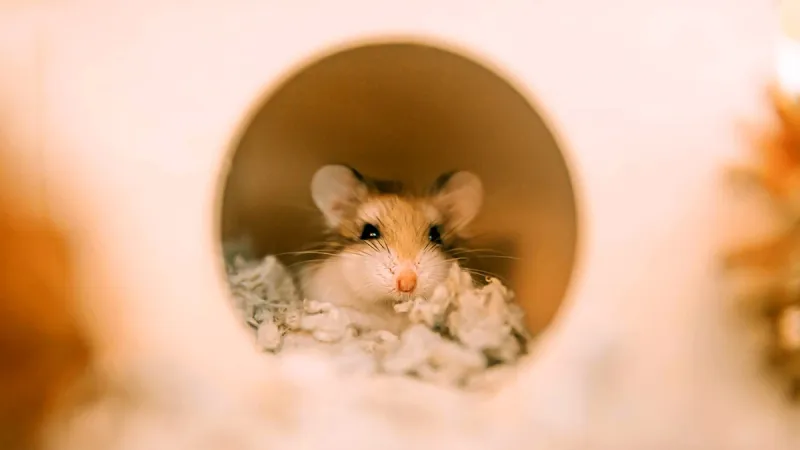
Roborovski Hamsters are often described as the smallest commonly kept pet hamsters. They usually reach only about 5–6 cm in length and are incredibly quick and agile.
Because they move so fast and rarely sit still on a hand, Roborovskis are generally better suited as “watch and enjoy” pets rather than frequent-handling companions. Many pet guardians find great joy simply in observing their energetic behavior, burrowing, and playful interactions with their environment.
Their temperament is typically shy but gentle. Biting is relatively uncommon, but they may prefer to keep a bit of distance. Their lifespan is about 2.5–3.5 years, which is slightly longer than many other small hamsters, and some individuals may approach 4 years with excellent care.
Chinese Hamster
The Chinese Hamster has a distinctive appearance, with a dark stripe running down the back and a noticeably longer tail than most other pet hamsters. This gives them a somewhat mouse-like silhouette, though their behavior and care needs are still very much hamster-like.
They are often described as very calm and gentle, and many individuals become quite affectionate once they trust their guardian. With patient socialization, Chinese Hamsters can learn to sit on your hand and enjoy quiet, close contact, making them rewarding companions for those who value gentle interaction.
Their lifespan is about 2–3 years, similar to the Golden Hamster. However, Chinese Hamsters can be harder to find in standard pet shops, so you may need to search more carefully, contact specialized breeders, or consult with small-animal rescue organizations if you are interested in this species.
What About Other Types Of Hamsters
In everyday life in Japan, the five types above are the ones most pet guardians will encounter. Globally, there are more than 20 recognized hamster species, but many are not commonly kept as pets or are rarely available through ordinary pet shops.
When you see unique names in stores or online, they are often commercial names for coat colors or patterns rather than completely different species. For example, “Panda Hamster” and “Kinkuma Hamster” are both color variations of the Golden Hamster or Color Hamster group, and “Blue Sapphire” is a color variation of the Djungarian Hamster.
Understanding this can help you focus on the actual species and its care needs, rather than being swayed only by a catchy color name.
Finding The Hamster That Truly Fits Your Life
Hamsters may look similar at first glance, but each species has its own typical size, temperament, and care requirements. Choosing a hamster whose natural traits match your lifestyle is the first step toward a happy, low-stress life together.
Before you decide, consider:
- How much hands-on interaction you want
- How confident you are with handling small, fast animals
- Your home environment, including temperature and noise levels
- Your schedule, especially for daily feeding, cleaning, and health checks
No matter which hamster you choose, the most important elements are a commitment to their well-being, appropriate housing and diet, and gentle, consistent care. When pet guardians approach these small lives with respect and responsibility, the bond that forms can be deeply rewarding despite their short lifespan.
May your journey with your hamster companion be long, healthy, and filled with moments of quiet joy.
- 03.20.2026
- 06.08.2025