Is Silver Vine Safe For Cats? How To Use It Responsibly And When To Be Careful
This article is an English translation of the original Japanese article. Read the original Japanese version.
Silver vine can send many cats into a happy, rolling, purring frenzy, but it also raises questions about safety and side effects. Learn what silver vine is, how it affects cats, and how to offer it in a way that is fun, safe, and stress free.
In many parts of Asia, silver vine has long been known as something almost magical for cats. Offer it to the right feline and they may roll, rub, purr, or suddenly zoom around the room in delight. Yet for many pet parents, the plant itself still feels mysterious.
This guide explains what silver vine actually is, how it affects cats, and how to let your cat enjoy it safely while understanding the potential risks.
What Exactly Is Silver Vine?
Silver vine is a deciduous climbing plant in the Actinidiaceae family, genus Actinidia. Its scientific name is Actinidia polygama, and in English it is commonly called silver vine. It is a close botanical relative of the familiar kiwi fruit.
In Japan, silver vine grows naturally in mountainous areas from Hokkaido in the north down through Kyushu in the south. It is also found across parts of East Asia, including China, the Korean Peninsula, and the Russian Far East, where it has long been part of the native landscape.
One of silver vine’s most distinctive features is that some of its leaves turn white in summer. This striking color change is believed to help attract pollinators to its flowers, and it also makes the plant easier to spot in dense vegetation.
For cats, the important point is that the active compounds are found in several parts of the plant. The fruit, branches, leaves, and flower buds can all contain substances that trigger a response in cats.
- The fruit and powdered forms tend to have a stronger effect and may provoke a very noticeable reaction.
- The branches and leaves usually provide a milder effect and are often used in cat toys or chews.
Why Do Cats React To Silver Vine?
Many cats become fascinated by silver vine because of compounds such as matatabilactone and actinidine. These are volatile substances that evaporate into the air and stimulate receptors in the cat’s nose.
When a cat inhales these compounds, they can influence the brain’s reward and pleasure pathways, leading to a brief, altered state that often looks like euphoria. Veterinary researchers compare this to the way certain scents can be deeply relaxing or uplifting for humans.
The exact reaction varies from cat to cat. Some cats:
- Rub or roll their bodies on the floor
- Purr and appear deeply relaxed
- Become suddenly more playful or energetic
This individual variation is part of what makes silver vine so intriguing. Not all cats respond in the same way, and some do not respond at all.
Current estimates suggest that around 50–70% of adult cats show some kind of reaction to silver vine or similar plants. Kittens and senior cats often respond less strongly or not at all, likely because of differences in the maturity and sensitivity of their nervous and olfactory systems.
How Do Cats Best Enjoy Silver Vine?
Many pet parents assume silver vine is something their cat needs to eat. In reality, simply smelling silver vine is usually enough to trigger the full effect.
Because the active compounds are highly volatile, they are easily inhaled and quickly reach the brain. A cat does not need to consume the fruit or powder for the plant to work.
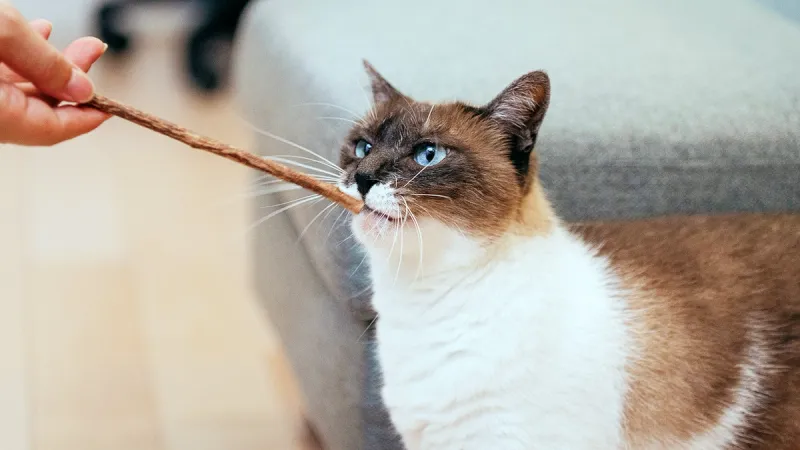
That said, some cats enjoy gently chewing on a silver vine stick or toy. This can release more of the active compounds and intensify the experience. Others prefer to roll on a mat or bed that has been lightly dusted with silver vine powder.
However your cat chooses to interact with it, remember that just being near the source of the scent can be enough. Even a small amount of silver vine in the environment can influence a sensitive cat.
Silver Vine Is Not The Same As Alcohol For Cats
People sometimes compare silver vine to alcohol, because both can make an individual appear more relaxed or excited. From a veterinary perspective, though, silver vine and alcohol are very different.
Alcohol is absorbed into the bloodstream, affects multiple organs, and can remain in the body for many hours. It also carries a clear risk of poisoning and long-term harm.
Silver vine, by contrast, works primarily through short-lived scent stimulation. The compounds act on the olfactory system and brain for a brief period, then the effect fades.
Most cats experience silver vine’s effects for about 5–15 minutes. After that, they typically lose interest, even if the silver vine is still present. For several hours to roughly half a day, many cats enter a “cool-down” phase during which they do not respond strongly to the plant.
There is no evidence that silver vine causes intoxication in the same way alcohol does, and it is not considered addictive. For humans, the closest comparison would be relaxing with a favorite aromatherapy scent, rather than drinking alcohol.
Potential Risks And Downsides Of Silver Vine
Used thoughtfully, silver vine is generally considered safe for healthy adult cats. However, there are some important caveats that responsible pet guardians should keep in mind.
Digestive Upset From Overconsumption
The main medical concern is gastrointestinal irritation. If a cat ingests too much silver vine fruit or powder, they may develop:
- Diarrhea
- Vomiting
- Mild abdominal discomfort
Powdered silver vine is especially concentrated, so only a very small amount is needed. Experts recommend starting with a tiny pinch and observing your cat’s reaction, rather than offering large quantities.
If your cat shows any signs of digestive upset after exposure, discontinue use and consult your veterinarian, especially if symptoms persist.
Overexcitement And Tension Between Cats
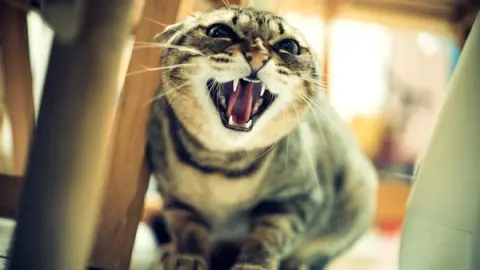
Another potential issue is excessive excitement or agitation. Even a normally calm cat may suddenly start racing around, batting at objects, or pestering other cats after exposure to silver vine.
In multi-cat households, this can occasionally escalate into chasing or conflict. To reduce this risk, consider the following:
- Offer silver vine to one cat at a time in a separate space.
- Supervise closely during the first few sessions to understand how each cat responds.
- Avoid using silver vine when tensions between cats are already high.
If you notice that silver vine consistently leads to rough play or arguments, it may not be the right enrichment tool for your particular group of cats.
Habit Formation And Overreliance
Current evidence suggests that silver vine does not create chemical dependence. However, behavioral patterns can still form.
If silver vine is offered too frequently, some cats may start to expect it every time they play and appear less interested in toys or activities that do not involve it. To keep enrichment balanced and healthy:
- Use silver vine as an occasional treat, not a daily requirement.
- Rotate it with other forms of enrichment, such as interactive toys, puzzle feeders, and climbing structures.
- Focus on quality over quantity, offering small amounts during special play sessions or as a reward.
Is It Safe If My Cat Only Smells Silver Vine?
The digestive issues described above are primarily associated with eating silver vine fruit or powder. When a cat simply sniffs the plant or a toy infused with its scent, the risk of gastrointestinal upset is very low.
Inhaled volatile compounds do not place the same kind of strain on the stomach and intestines. For most healthy cats, enjoying silver vine purely through scent is considered a safe way to experience its effects.
However, the possibility of overexcitement still remains, even with scent-only exposure. A highly sensitive cat may become overly stimulated, vocal, or rough in play.
Pet parents should always:
- Monitor their cat’s behavior during and after exposure
- Limit session length to a few minutes at a time
- Provide a quiet, safe space where the cat can retreat and relax afterward
If your cat has a history of seizures, severe anxiety, or other neurological concerns, discuss silver vine use with your veterinarian before introducing it.
Using Silver Vine As A Healthy Enrichment Tool
When used thoughtfully, silver vine can act as a “spice” in your cat’s daily life—something special that adds variety, mental stimulation, and enjoyment.
Its natural compounds stimulate the feline sense of smell and can briefly create a euphoric or deeply relaxed state. For many cats, this can support stress relief, encourage play, and provide a welcome change of pace from their usual routine.
To keep your cat safe and happy:
- Offer only small amounts, especially with powders or fruit.
- Avoid daily use; reserve silver vine for occasional enrichment or rewards.
- Supervise multi-cat households and separate cats if needed to prevent conflict.
- Watch for any signs of digestive upset or excessive agitation, and pause use if you have concerns.
By understanding both the benefits and the limits of silver vine, pet guardians can use it as one tool among many to enrich their cat’s environment, support emotional well-being, and strengthen the bond they share.
Enriching Your Cat’s World With Confidence
Silver vine is more than a novelty; it is a natural plant that has shared space with cats and people for generations. When offered responsibly, it can provide moments of joy, relaxation, and playful energy for many felines.
As you explore silver vine, let your cat’s individual reactions guide you. Start slowly, observe carefully, and adjust how often and how much you offer based on their comfort and health.
Combined with a safe home environment, regular veterinary care, and plenty of affection, silver vine can become one of the many ways you help your cat live a richer, more satisfying life.
- 03.02.2026
- 09.29.2025