Why Marmots Are Quietly Taking Over The Internet And Where You Can Actually Meet One
This article is an English translation of the original Japanese article. Read the original Japanese version.
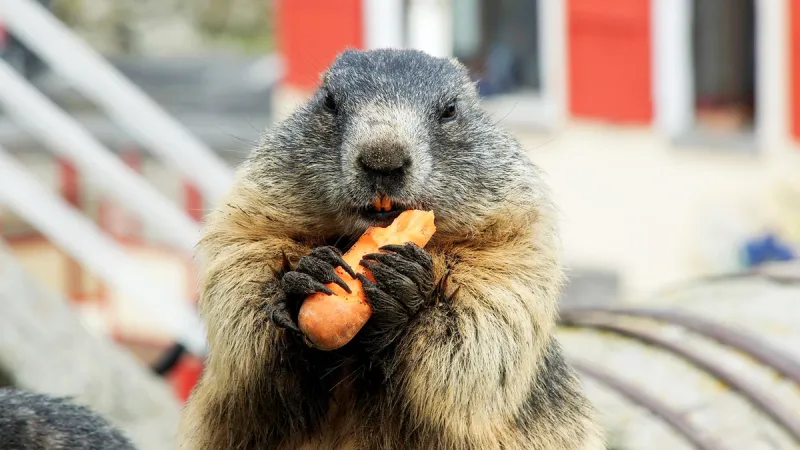
That deep-voiced “screaming beaver” meme is not a beaver at all. It is a marmot, a chunky ground squirrel whose oddly human expressions and quirky lifestyle are turning it into an unexpected global star for curious animal lovers and pet parents alike.
Key takeaways
Q. What kind of animal is a marmot and where does it live?
Marmots are large rodents in the squirrel family (genus Marmota), living mainly in mountainous and grassland areas of Europe, North America, and Central Asia.
Q. Why are marmots often mistaken for beavers or capybaras?
Because they share a round, stocky body and rodent traits, their appearance looks similar, so on social media they are often miscalled things like “screaming beaver.”
Q. Can marmots be kept as pets in Japan, and where can you see them?
Keeping them as pets is basically difficult due to protection regulations and hibernation management, but you can see them at some facilities such as Izu Shaboten Zoo and Ueno Zoo.
If you spend any time on social media, you have probably seen it already – a stout, beaver‑like animal suddenly throwing back its head and yelling “Aaaah!” in a surprisingly deep voice. Many people label it a beaver or a giant capybara.
In reality, that viral star is a marmot, a ground‑dwelling squirrel with a devoted online following and a surprisingly complex natural history.
What Exactly Is A Marmot
From a scientific standpoint, marmots are large rodents in the squirrel family (family Sciuridae, genus Marmota). In other words, they are much closer to ground squirrels than to beavers or capybaras.
Most wild marmots live in mountainous or open grassland habitats across Europe, North America, and Central Asia. They are well adapted to cooler climates and high elevations, where they spend much of their time foraging and keeping watch for predators.
At a glance, marmots look like oversized, plush ground squirrels. They have a rounded, chunky body, short legs, and a bushy tail. Many people are charmed by their faces, which often appear a bit like a grumpy uncle or a puzzled office worker. That slightly “human” expression is a big part of their meme‑worthy appeal.
Adult marmots typically measure about 40 to 70 cm (16 to 28 inches) in body length and weigh around 2 to 8 kg (4 to 18 pounds), depending on the species and season. Experts note that body size can vary significantly between species, and individuals often gain substantial weight before hibernation.
Different Types Of Marmots Around The World
Researchers currently recognize around 14 marmot species, most of which live in cold, high‑altitude or high‑latitude regions.
Some of the best‑known species include:
-
European marmot
Common in the Alps and other European mountain ranges, often seen sunbathing on rocks or whistling alarm calls. -
American marmot also known as the groundhog or woodchuck
Widely distributed in North American fields and forests, famous for its role in Groundhog Day weather folklore. -
Himalayan marmot
Found on the Tibetan Plateau and other high Asian ranges, sometimes living at elevations close to 4,000 meters (over 13,000 feet).
Across species, marmots share several core traits. They dig complex underground burrow systems where they sleep, raise their young, and shelter from predators and extreme weather. These burrows can be surprisingly extensive, with multiple entrances and chambers.
Marmots are diurnal, meaning they are active during the day. They are primarily herbivores, feeding on grasses, leaves, flowers, and roots. In short growing seasons, they must eat efficiently to build enough fat reserves for winter.
Animals Commonly Confused With Marmots
Because of their rounded bodies and short legs, marmots are frequently mistaken for other medium‑sized mammals in viral videos and photos. On Japanese and international social media, the famous screaming marmot clip is often captioned as a “screaming beaver,” which adds to the confusion.
Here are a few animals that are often misidentified as marmots – and how they actually differ.
Beaver
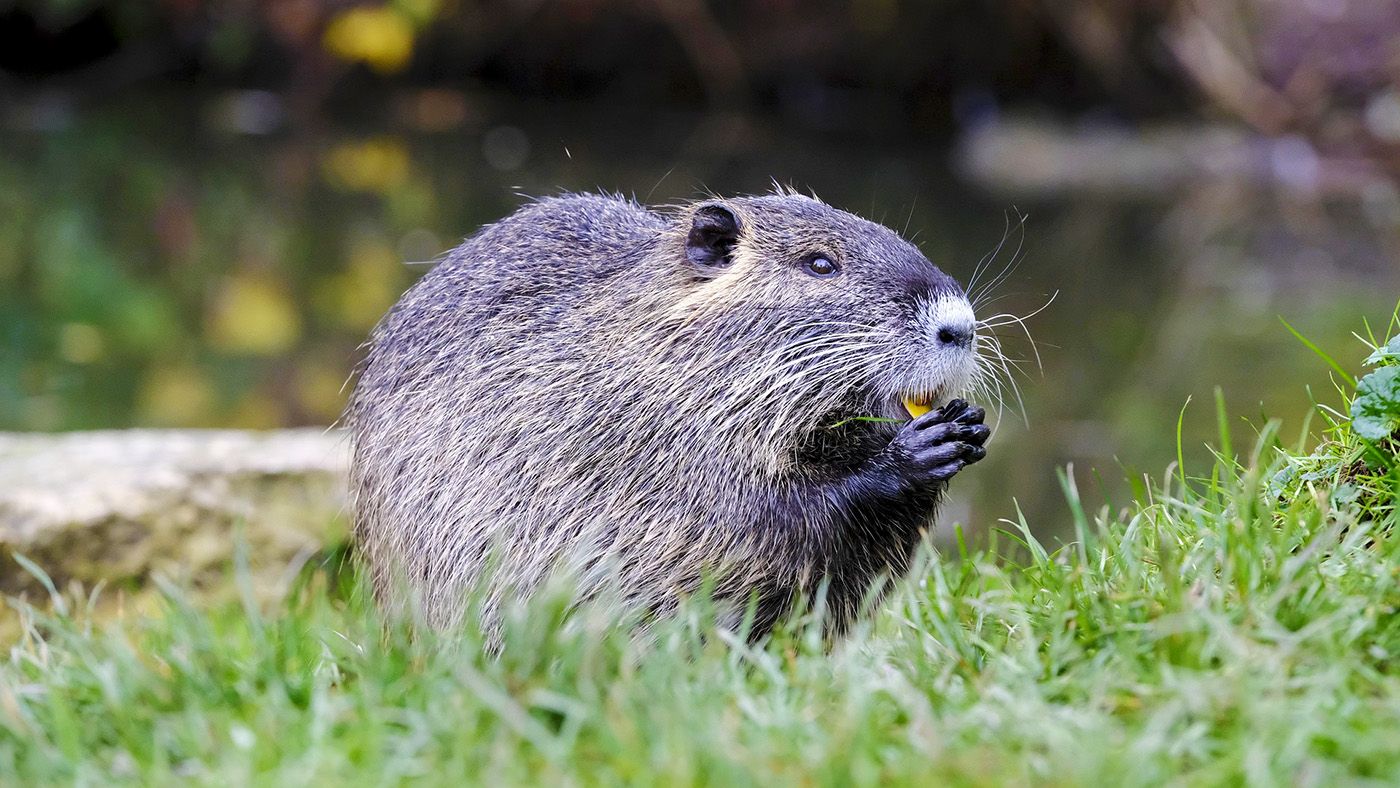
Beavers are semi‑aquatic rodents known for gnawing on trees and building dams and lodges in rivers and ponds. They have large orange front teeth, a flat, paddle‑shaped tail, and webbed hind feet.
In contrast, marmots are land‑dwelling and do not build dams. Their tails are furry rather than flat, and their overall body shape and behavior are more squirrel‑like. From a classification and lifestyle perspective, beavers and marmots are very different animals.
Capybara
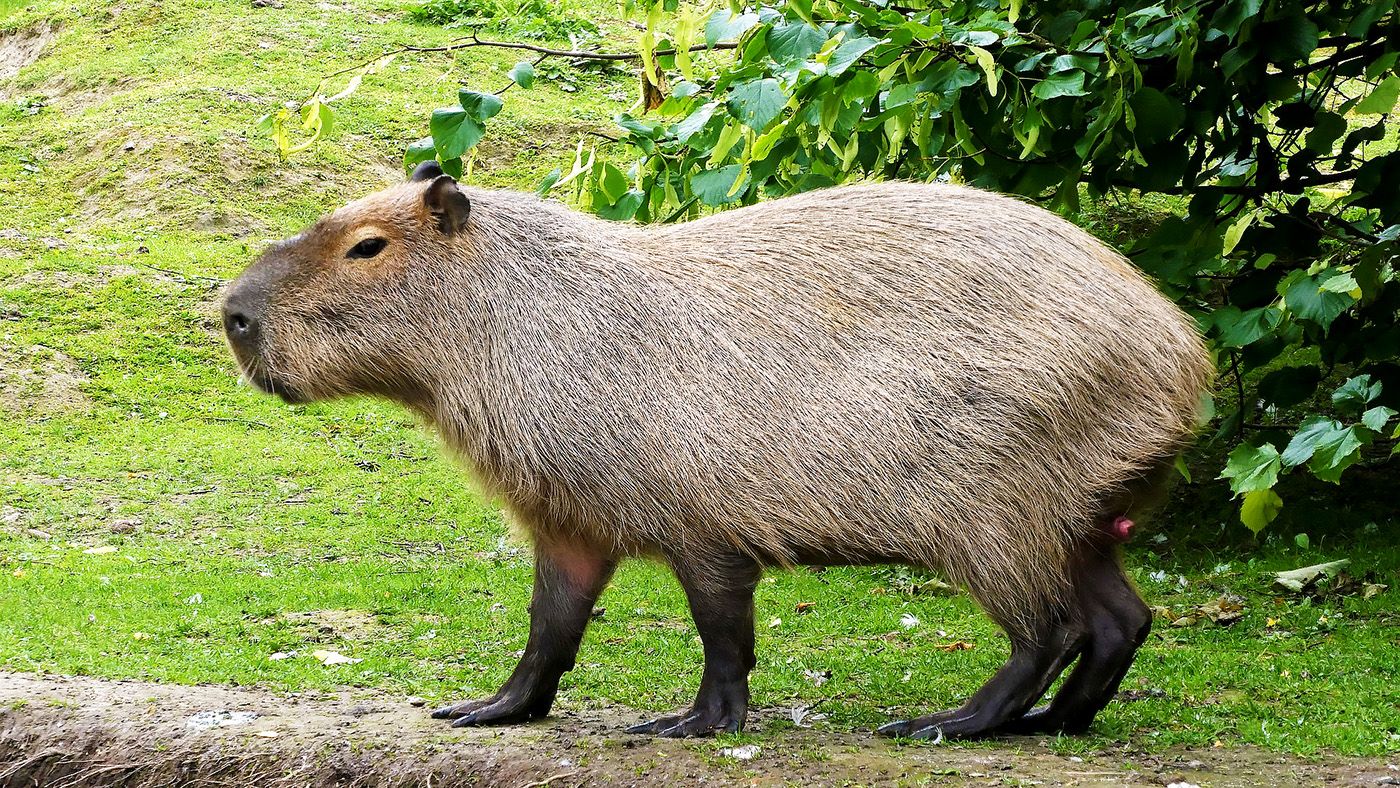
Capybaras belong to the cavy family (the same family as guinea pigs) and hold the title of largest living rodent. They can weigh as much as a medium‑sized dog and are strongly adapted to life near water.
Compared with marmots, capybaras are much larger, more elongated in body shape, and more aquatic. They have partially webbed feet and are excellent swimmers, often seen lounging in hot springs or ponds in zoos and animal parks.
Quokka
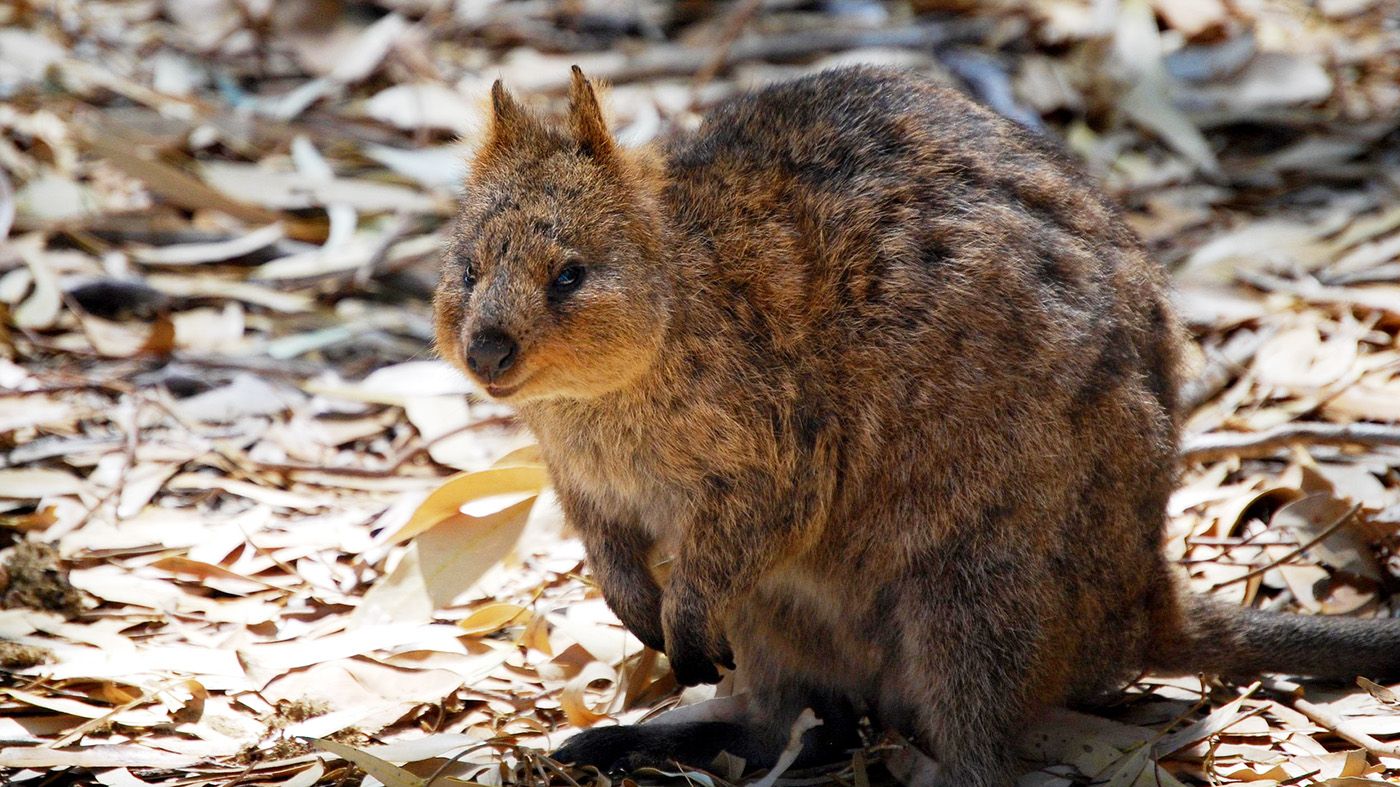
Quokkas are not rodents at all. They are small marsupials, related to kangaroos and wallabies, and are best known for their “smiling” faces in tourist selfies.
Most wild quokkas live on Rottnest Island in Western Australia and a few nearby areas. While their round cheeks and friendly expressions may remind some people of marmots, their biology and evolutionary history are completely different.
Marmots And Hibernation One Of The Deep Sleep Champions
Marmots are also famous for their ability to hibernate. Many northern and high‑altitude species spend a large part of the year in a state of deep torpor.
As autumn approaches, marmots rapidly build up fat reserves, often doubling their body weight. They then retreat into their burrows and may remain in hibernation for up to six months, depending on the species and climate.
During this time, their body temperature, heart rate, and breathing slow dramatically. This extreme energy‑saving strategy allows them to survive long winters when food is scarce or completely unavailable.
From a welfare perspective, this natural hibernation pattern is one of the main reasons marmots are challenging to keep in captivity, especially outside their native climate. Managing temperature, humidity, and seasonal light cycles safely requires advanced knowledge and specialized facilities.
Groundhog Day And The Cultural Side Of Marmots
If you are familiar with North American culture, you may have heard of Groundhog Day, a traditional event held in the United States and Canada every year on February 2.
According to folklore, if the groundhog (a type of marmot) emerges from its burrow on that day and sees its shadow in sunny weather, winter will last longer. If it does not see its shadow, spring is said to arrive early. While this is not scientifically accurate weather forecasting, it remains a beloved seasonal ritual.
One of the most famous celebrations takes place in Punxsutawney, Pennsylvania, where the local marmot celebrity “Punxsutawney Phil” appears at dawn. Organizers and visitors watch closely to see whether Phil “sees” his shadow, and the result is announced as a playful prediction of the remaining winter.
This event has grown into a major festival, attracting tens of thousands of visitors from around the world each year. It is widely covered on television and live‑streamed online, showing that marmots have been captivating people long before they became social media memes.
The Viral Marmot Screaming Meme
Marmots have recently found a second life as internet icons, especially through short, shareable video clips.
The best‑known example is the “Marmot Screaming” video, often mislabeled as the “screaming beaver.” In this clip, a marmot suddenly throws back its head and lets out a loud, human‑sounding yell.
That single moment has been endlessly reused as an audio meme, remixed into music, and edited into parody videos across multiple platforms. The contrast between the marmot’s calm appearance and its dramatic scream is what makes the clip so memorable.
Beyond that one video, many other marmot clips show them standing upright like tiny sentries, nibbling plants with intense focus, or reacting in oddly human ways. Viewers often describe them as “low‑key but addictive” or say that “they are funny just by existing,” which helps explain their steady rise in popularity.
Can Marmots Be Kept As Pets
For curious pet parents and animal lovers, the natural next question is whether marmots can be kept as companion animals. In practice, this is extremely difficult and generally not recommended.
Many marmot species are protected under international wildlife agreements such as CITES (the Washington Convention). This means that capturing, trading, or transporting them across borders is tightly regulated or prohibited.
In addition, marmots are specialists in cold and mountainous environments. They rely on seasonal changes, including hibernation, to stay healthy. Experts emphasize that replicating these conditions safely in a typical home environment is very challenging, even for experienced exotic animal keepers.
For these reasons, responsible organizations and veterinarians strongly encourage animal lovers to enjoy marmots through ethical wildlife observation, reputable zoos, and educational content, rather than attempting to keep them as pets.
Where You Can See Marmots In Japan
Although marmots are not suitable household companions, animal lovers in Japan do have opportunities to see them in person at select zoos and animal facilities.
As of the latest public information, marmots can be observed at locations such as:
-
Izu Shaboten Zoo Shizuoka Prefecture
Currently known for housing Bobak marmots. -
Ueno Zoo Tokyo
Home to Mongolian marmots. -
Nasu Animal Kingdom Tochigi Prefecture
Exhibits American marmots also called woodchucks or groundhogs. -
Marmot Village Tokyo Nakano Ward
Features Himalayan marmots in a specialized setting.
Exhibit details can change due to breeding programs, health considerations, or facility renovations. Always check the latest information on each facility’s official website before planning your visit, so you can confirm which species are currently on display and any guidelines for viewing them.
Discovering The Deeper Charm Of Marmots
Marmots may have become internet famous for a single scream or a funny expression, but their true appeal runs much deeper. They combine endearing looks and quirky, almost human body language with a life history shaped by harsh climates and intricate social structures.
In the wild, marmots are family‑oriented animals that share underground homes, cooperate in raising young, and rely on complex communication to warn each other of danger. Their ability to hibernate for months at a time and thrive in rugged landscapes makes them far more than just “cute, chubby rodents.”
For pet parents and animal enthusiasts, taking a moment to learn about marmots is a reminder that even animals we rarely encounter in daily life have rich stories and sophisticated survival strategies. If you ever have the chance to see a marmot up close, pause and appreciate the long evolutionary journey and cultural impact behind that seemingly simple, round face.
By understanding animals like marmots more deeply, we not only enjoy them as internet icons but also build greater respect for the wild ecosystems and conservation efforts that keep them thriving.
- 03.20.2026
- 06.26.2025