When Is the Best Season for the Zoo? A Family Day at Fukuoka City Zoological Garden
This article is an English translation of the original Japanese article. Read the original Japanese version.
As temperatures finally start to rise, many pet parents begin craving time with animals beyond their own homes. Discover why late spring is often the sweet spot for zoo visits, and walk through a real-world route at Fukuoka City Zoological Garden to help you plan your next outing.
I recently spent a full day at Fukuoka City Zoological Garden, right in the middle of Japan’s Golden Week holidays. The weather had already tipped from "nicely warm" into "a bit too hot," but it was still a great reminder that this is one of the most rewarding times of year to visit a zoo.
In winter, many animals understandably retreat to the back of their enclosures to conserve energy and stay warm. In the height of summer, they often rest in the shade during the hottest hours to avoid heat stress. Late spring and early autumn often offer the best balance, when animals are more likely to be active and visible while still staying comfortable.
Our Route Through Fukuoka City Zoological Garden
We visited the Fukuoka City Zoological and Botanical Garden and followed a route that wound through both the North and South zones of the zoo.
Looking back at the map afterward, I realized our path was a little inefficient and even skipped a few key animals. Missing the Asian small-clawed otters was my one big regret of the day.
Even so, the route gave us a good sense of how the zoo is laid out and what families can expect in terms of walking distance, terrain, and animal viewing opportunities.
Main Entrance A Warm Welcome and Seventy Years of History
The main entrance to Fukuoka City Zoological Garden sets the tone with a clean, open plaza and clear signage that makes it easy for first-time visitors to get oriented.
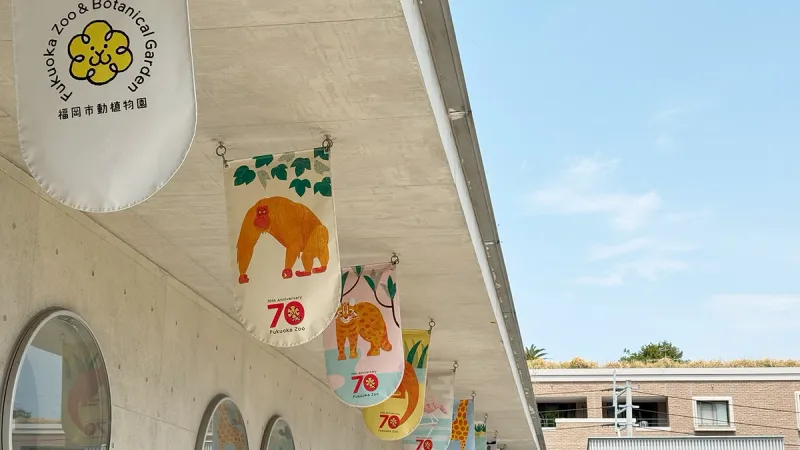
Colorful banners celebrate the zoo’s 70th anniversary. According to the official history on the zoo’s website, Fukuoka City Zoological Garden first opened in 1953. The math suggests the anniversary banners may have been installed a little earlier and kept up, but either way, they highlight just how long this zoo has been part of the community.
Inside, visitors are greeted by impressive skeletal displays, including an elephant and a tiger. These exhibits are more than just striking visuals; they offer a rare chance to appreciate the scale and anatomy of these animals up close. For children and adults alike, they help connect the living animals outside with the science of how their bodies work.
There are also taxidermy specimens, such as a red panda and an Arctic fox. While some pet guardians may find taxidermy a bit solemn, these displays can support education about species conservation, body structure, and the importance of protecting wildlife in their natural habitats.
North Zone A Steep, Hiking-Style Zoo Experience
From here, the visit shifts into what could fairly be called the "serious animal-viewing phase" in the North Zone. Before going further, it is worth noting one important point for planning.
Fukuoka City Zoological Garden is built on a hillside, and the elevation changes are significant. The terrain is steep enough that the zoo operates a ropeway-style "slope car" to help visitors move between levels. For many families, the experience feels closer to a light hike than a flat stroll.
Because of this, experts would generally recommend visiting on a cooler day, especially if you are visiting with young children, older family members, or anyone who may be sensitive to heat or long climbs. Hydration, sun protection, and comfortable walking shoes are essential.
In the North Zone, we first encountered zebras grazing in the distance. Their enclosure is spacious, which is positive from an animal welfare perspective, but it can mean that at certain times they stay farther from the viewing area.
Nearby, the monkey mountain is full of social activity. Groups of monkeys groomed each other, played, and occasionally squabbled, offering a fascinating look at primate social behavior. For children, this area is often a highlight, as the monkeys’ interactions are easy to understand and fun to watch.
We also passed the giraffe enclosure, catching a view mostly from behind as they moved slowly through their space. Even from that angle, their height and gentle movements are impressive.
Later, we visited the Asian black bear (Tsukinowaguma). This species is stockier and more powerfully built than many people expect, and seeing one up close can be a good reminder of why experts emphasize secure enclosures and respectful viewing distances.
South Zone Cooling Off With Penguins and Elephants
Crossing from the North Zone into the South Zone, the atmosphere changes noticeably. From a hilltop, you can look down over the penguin area, which feels cooler and more refreshing, especially after the demanding uphill and downhill sections.
The penguin exhibits are designed to showcase their natural swimming behavior. From above and at closer viewing points, you can watch them slice through the water almost like they are flying, using their flippers as powerful wings. For many visitors, this is a perfect spot to pause, cool down, and simply enjoy observing.
We then returned to the elephant area. On our first pass earlier in the day, the timing was off and we only caught a brief glimpse. On our second visit, we were able to see a young elephant calf for a short time.
The calf was reportedly born recently, making this a particularly special sighting. Young elephants are an important part of long-term conservation breeding programs, and seeing one in person can help families connect emotionally with the importance of protecting these species.
Nearby, we visited the sun bear (Malayan bear). After seeing the more robust Asian black bear earlier, the sun bear’s much slimmer build stood out. Many visitors around us commented on how thin the bear looked.
From a veterinary and zoological perspective, it is important to remember that different bear species have very different natural body types. Sun bears are naturally smaller and more slender than many other bears. While only the zoo’s veterinary team can accurately assess an individual’s health, this contrast is a good opportunity to talk with children about species differences rather than assuming all bears should look the same.
The big cat area in the South Zone includes tigers and lions. We watched a tiger pacing and then pausing to drink water, a behavior that highlights both its power and its need to regulate body temperature in warmer weather.
The lion we saw was resting quietly in a corner of its enclosure. Many big cats are most active at dawn and dusk, so midday visits often show them in their rest phase. Pet guardians can use this as a teaching moment about natural activity cycles and why zoos often encourage visitors to come earlier or later in the day for more active viewing.
The Slope Car and the Botanical Garden Connection
One of the most distinctive features of Fukuoka City Zoological Garden is the slope car, a ropeway-style vehicle that helps visitors navigate the steepest parts of the grounds.
The slope car also connects toward the Fukuoka City Botanical Garden, which has been gradually expanding and opening new areas. Many local families recommend combining both the zoo and botanical garden for a full-day outing, especially in cooler seasons when walking is more comfortable.
On this visit, however, we had to make a practical decision. After several hours of climbing and exploring in warm weather, our group’s energy levels were clearly dropping. We chose to skip the botanical garden this time to avoid overexertion, a choice that many experts would support when visiting with children.
Listening to your group’s physical limits is an important part of planning any animal-focused outing. Fatigue can quickly turn an enjoyable educational experience into a stressful one, especially in the heat.
Before leaving the South Zone, we stopped by the hippopotamus enclosure. The hippo spent most of the time submerged, surfacing only briefly. Even without a clear, extended view, the ripples and occasional glimpses of its massive body conveyed just how powerful and well-adapted to the water these animals are.
Play Area and Animal Science Hall A Hit With Kids
For our children, the play area and amusement facilities in the South Zone may have been the biggest highlight of the entire day.
There is a small amusement park-style area with rides, including a Ferris wheel. While not the main focus for animal enthusiasts, these attractions can be invaluable for families, offering a mental break and a chance for kids to reset between more educational stops.
We also visited the Animal Science Hall, which features taxidermy displays such as giraffes and deer, along with other educational exhibits. From a pet content and veterinary science perspective, these spaces are particularly useful for:
- Helping children understand animal anatomy and scale
- Connecting what they see outside with scientific explanations inside
- Offering a cool, air-conditioned rest area on warm days
In our case, the mild air conditioning made this hall an essential rest stop. Short breaks in cooler indoor spaces can significantly reduce the risk of heat-related fatigue, especially for young children.
Nearby, the Children’s Zoo cafeteria provided a convenient place to refuel. Having food options within the zoo is especially helpful for pet guardians managing children’s energy and mood over several hours.
We also stopped by an aviary area with parrots, where brightly colored birds watched visitors with curious eyes. Parrots’ intelligence and social nature often fascinate children and can spark conversations about responsible bird guardianship and enrichment needs at home.
Planning Your Own Visit Choosing the Right Season and Pace
Reviewing our photos and memories, I realized we had missed not only the Asian small-clawed otters, but also animals like leopards and sheep. The combination of heat, steep terrain, and family pacing meant we simply could not cover everything in one visit.
For pet parents and animal lovers planning a trip to Fukuoka City Zoological Garden, consider these evidence-informed guidelines:
- Choose a cooler season such as late spring or early autumn to balance animal activity and visitor comfort.
- Plan for elevation changes and treat the visit like a light hike, with proper footwear, hydration, and sun protection.
- Build in rest stops at indoor facilities like the Animal Science Hall or cafés, especially when visiting with children.
- Accept that you may not see every animal in one day, and prioritize a calm, enjoyable pace over rushing.
We are already looking forward to returning in a cooler season to explore the areas we missed and to finally meet those elusive otters. Thoughtfully planned zoo visits can deepen children’s respect for animals, support conservation awareness, and offer pet guardians fresh perspectives on the species they share their homes with.
Next time, with milder weather and a more strategic route, we hope to experience even more of what Fukuoka City Zoological Garden has to offer.
- 03.02.2026
- 05.07.2025