How To Enjoy Japan’s Rabbit Island Okunoshima While Respecting Its Dark History
This article is an English translation of the original Japanese article. Read the original Japanese version.
Off the coast of Hiroshima, more than 700 free roaming rabbits share a tiny island with quiet beaches, hot springs, and the remains of a once secret military past. Learn how to meet these wild rabbits safely and respectfully so your visit is unforgettable for you and gentle on them.
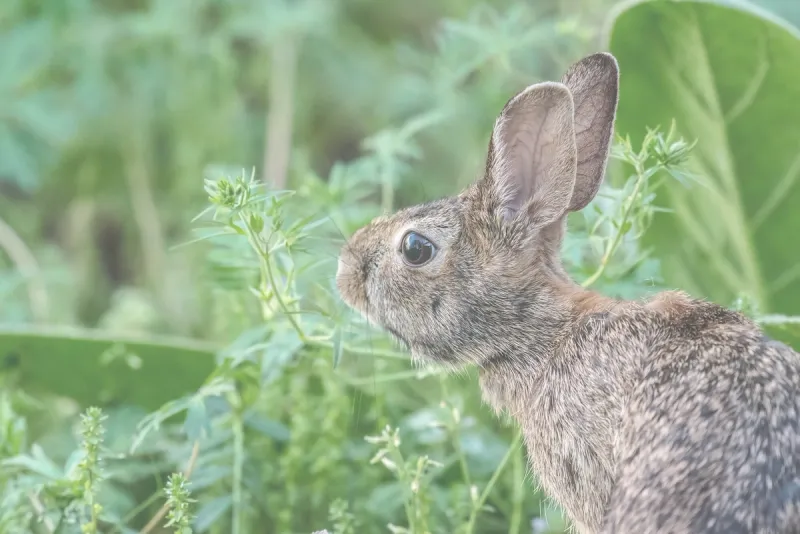
Hidden in Japan’s Seto Inland Sea, Okunoshima is often called Rabbit Island for a reason. Over 700 wild rabbits live here, many of them surprisingly comfortable around people, turning this small island into a dream destination for rabbit lovers and animal photographers from around the world.
Today, visitors come for the rabbits, the sea views, and even resort style amenities like hot springs and campgrounds. Yet beneath this peaceful atmosphere lies a deeply troubling history that shaped the island and still deserves to be remembered.
Understanding both the joy and the history of Okunoshima can help you experience the island more thoughtfully and respectfully.
What Is Rabbit Island Okunoshima
Okunoshima is a compact island about 4 kilometers around, floating in the calm waters of Japan’s Seto Inland Sea. Decades ago, eight rabbits were reportedly released here. With no natural predators and minimal human interference, their numbers steadily grew into the thriving rabbit population visitors see today.
There are no private homes on the island. Without permanent residents or busy traffic, the rabbits have been able to develop a relatively independent social world, forming what feels like a self contained rabbit society.
Most of the rabbits on Okunoshima are European rabbits often referred to in Japanese as anausagi, or “burrow rabbits.” They dig tunnels and dens, live in groups, and typically form social units with one male and several females. In spring and autumn, you may spot young rabbits peeking out from burrow entrances, a sight that has made the island especially popular among wildlife photographers.
The Island That Disappeared From Maps
Okunoshima was once a quiet farming community with only a few households. As economic hardship continued, local residents sought new opportunities and agreed to host a military facility as part of a regional development effort.
Even after construction began, many islanders did not know what the military was actually building. Over time, it became clear that the facility was a chemical weapons plant, producing toxic gas for wartime use.
Because Okunoshima is an offshore island with a small population, military planners considered it an ideal location. If gas leaked, they believed the damage could be contained, and the island’s isolation made it easier to keep operations secret.
However, chemical weapons are banned under international law. As global attitudes shifted and development of these weapons was halted, the government moved to erase evidence of the program. Okunoshima was literally removed from many official maps, treated as if it did not exist.
Years later, the island was reborn as part of a national park system and developed into a vacation village. Around that time, the ancestors of today’s rabbits were released, and the island slowly transformed from a hidden weapons site into a peaceful wildlife destination.
Even now, visitors can tour the remains of former facilities and a museum that documents the island’s role in chemical weapons production. For many travelers, combining time with the rabbits and a visit to these historical sites offers a more complete understanding of Okunoshima.
How To Get To Rabbit Island
To reach Okunoshima, you will first travel to Tadanoumi Port in Hiroshima Prefecture. From there, a short ferry ride takes you directly to the island.
From Hiroshima Bus Center, it takes about 90 minutes by highway bus to reach JR Tadanoumi Station, the closest station to the port. If you are coming from JR Hiroshima Station, expect roughly 2 hours and 30 minutes with train or bus connections.
Once you arrive at Tadanoumi Port, the ferry ride to Okunoshima is about 15 minutes. Schedules and fares can change, so always confirm the latest access details and ferry times on the official Tadanoumi Port website before you travel.
How To Enjoy Time With The Rabbits
Okunoshima’s rabbits are wild animals, but many are accustomed to people and will approach calmly, especially if food is involved. With a bit of planning and respect, you can enjoy close encounters while still protecting their health and safety.
Feeding The Rabbits Safely
If you bring suitable food, you may quickly become very popular with the island’s residents. Curious rabbits often gather in groups, giving you a close up view of their whiskers, paws, and expressive faces.
However, there are no rabbit food shops on the island itself. Pet Parents and other visitors should prepare in advance and purchase or bring rabbit safe foods before boarding the ferry.
Experts generally recommend:
- Rabbit safe vegetables such as cabbage or carrots, offered in small, manageable pieces
- Commercial rabbit pellets if available, given in moderation
At the same time, never feed human foods like bread, sweets, or snacks. These items can upset a rabbit’s digestive system and may contribute to serious health issues over time.
Being Surrounded By Rabbits Without Picking Them Up
Many visitors dream of holding a rabbit, but picking up rabbits is prohibited on the island. Rabbits have delicate bones, and improper handling or accidental drops can easily cause fractures.
Instead, some travelers enjoy the feeling of being gently surrounded by rabbits. To try this more ethical approach, consider the following:
- Lie down or sit very low near a group of rabbits
- Place small amounts of food on or around your legs and torso
- Stay calm and still, allowing the rabbits to approach at their own pace
When the rabbits are hungry, especially in the morning, they are more likely to climb onto you in search of food. This way, you can experience close contact on their terms, without restraining or frightening them.
Quietly Observing Rabbit Life
One of the most rewarding ways to enjoy Okunoshima is simply to watch how the rabbits live. Because they roam freely through natural landscapes, you can observe behaviors that are rarely seen in indoor or urban settings.
You may notice:
- Parents and kits resting together near burrow entrances
- Sibling squabbles and playful chases
- Rabbits stretched out in the shade, grooming or napping
By slowing down and observing from a respectful distance, you can practice a kind of “rabbit watching” that feels similar to birdwatching. Choose a favorite rabbit or group and quietly follow their routine, always taking care not to crowd or stress them.
Essential Rules For Protecting Rabbit Island
To keep Okunoshima safe for both animals and people, the island follows several important guidelines. Understanding these rules before you arrive helps you plan a visit that is kind, responsible, and in line with local expectations.
No Cars On The Island
Private cars are not allowed to drive around Okunoshima. If you are touring Hiroshima by car, plan to park at Tadanoumi Port before boarding the ferry.
Walking is the norm on the island, and the compact size makes it easy to explore on foot.
Do Not Chase The Rabbits
Chasing or cornering rabbits can cause intense stress and may lead to injuries if they panic and bolt. Even if you find a particular rabbit especially charming, avoid running after them or forcing interaction.
Instead, sit or kneel quietly and let the rabbits decide whether to approach. Respecting their boundaries builds trust and helps keep them safe.
Do Not Pick Up Or Hold Rabbits
As mentioned earlier, holding rabbits is not allowed. Rabbits have lightweight, air filled bone structures known as pneumatic bones that help keep their bodies agile. The trade off is that these bones can be fragile.
A sudden jump, twist, or fall from even a modest height can result in fractures or other serious injuries. What feels gentle or safe from a human perspective may still be risky for a rabbit.
To protect them, interact at ground level, use slow movements, and avoid any handling that lifts their body off the ground.
Avoid Overfeeding And Leaving Leftovers
As Rabbit Island has become more popular, the total amount of food offered to rabbits has increased. At times, this can lead to excess food scattered around the island.
If you notice that many food piles are being ignored or left uneaten, stop feeding and avoid adding more. Overfeeding can:
- Disrupt the rabbits’ natural foraging behavior
- Attract predators such as crows
- Contribute to imbalances in the local ecosystem
Feeding should be thoughtful and moderate, not a competition to see how many rabbits you can attract at once.
Never Abandon Or Remove Rabbits
It may be tempting for some Pet Guardians who feel overwhelmed to imagine leaving a pet rabbit on Okunoshima, but abandoning domestic rabbits on the island is strictly prohibited. Introducing outside rabbits can spread disease, disrupt social groups, and harm both existing and newly released animals.
Likewise, capturing or taking rabbits off the island is illegal under Japan’s wildlife protection laws. Even if you feel a strong connection with a particular rabbit, the kindest choice is to leave them in their natural environment.
When your visit ends, take only photos, memories, and a renewed appreciation for these animals.
Making The Most Of Your Rabbit Island Stay
Okunoshima can be enjoyed as a day trip, but many experienced travelers recommend staying overnight at the island hotel or nearby accommodations. An overnight stay gives you access to quieter hours when fewer people are around and the rabbits are more relaxed and hungry.
Early mornings and late at night tend to be the best times for calm, intimate encounters. In these low traffic hours, you may find rabbits venturing out more confidently, giving you a chance to observe natural behaviors without the distraction of large crowds.
By planning your visit with the rabbits’ needs in mind, you help preserve Okunoshima as a safe haven where wildlife, history, and human curiosity can coexist.
Your Next Step Toward A Kinder Wildlife Adventure
Okunoshima offers a rare combination of gentle wildlife encounters, seaside scenery, and powerful historical reflection. By learning the island’s past, following its rabbit friendly rules, and approaching every interaction with empathy, you can create meaningful memories without compromising animal welfare.
If you are planning a trip to Japan and love animals, consider adding Rabbit Island to your itinerary. Prepare suitable food in advance, review the latest access information, and commit to treating every rabbit as a wild individual who deserves space, safety, and respect.
Your choices as a visitor today help ensure that future travelers and future generations of rabbits can continue to share this remarkable island in harmony.
- 03.03.2026
- 12.18.2018