Essential Iguana Care Guide For New Pet Parents
This article is an English translation of the original Japanese article. Read the original Japanese version.
Thinking about bringing home an iguana? Learn the essential habitat setup, heating, diet, and daily care tips experts recommend so your new reptile companion can stay healthy, relaxed, and thrive for years by your side.
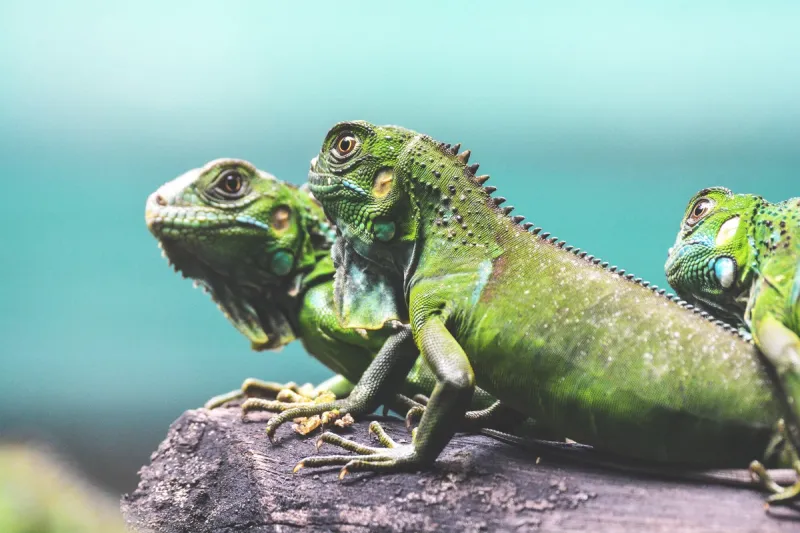
Thinking of welcoming an iguana into your home? These gentle, dinosaur-like reptiles are winning over pet parents around the world with their expressive faces, calm personalities, and surprisingly affectionate nature.
With the right setup and daily care, iguanas can become deeply bonded companions who recognize their pet guardians and enjoy regular interaction. This guide walks you through the core equipment, environment, and knowledge you need before bringing an iguana home.
Must Have Items For Iguana Care
Before you adopt an iguana, focus on creating a safe, stable environment where they can move, climb, bask, and rest comfortably. A well designed habitat is the foundation of good health.
Choosing The Right Enclosure
The first essential item is a secure, appropriately sized enclosure. Iguana housing needs change as they grow, and they grow quickly. While some experienced keepers allow free roaming in a reptile safe room, experts strongly recommend using an enclosure for iguanas under about 1 meter in length to keep them safe and to control temperature and humidity.
Because iguanas can outgrow standard aquariums very fast, many pet guardians successfully use large greenhouse style enclosures originally designed for tall houseplants. An ideal size for an adult is around 150 cm (about 5 feet) in height, with enough width and depth for climbing branches and a basking area.
For safety and durability, sturdy acrylic or similarly strong materials are recommended. Iguanas dislike being grabbed from above, as it can feel like a predator attack. To reduce stress, choose an enclosure with front opening sliding doors so you can approach and handle your iguana from the front at their level.
Basking Light And Temperature Control
For iguanas, temperature management is one of the most critical aspects of care. Iguanas are native to warm climates and do not have a natural hibernation cycle. Their bodies are not designed to cope with prolonged cold, and chronic low temperatures can lead to serious illness, poor digestion, and immune suppression.
Set up a reliable heating system with a basking light that creates a warm spot where your iguana can raise its body temperature. Many reptile care specialists recommend maintaining around 35°C (95°F) in the basking area during the day, while keeping the ambient temperature at about 25°C (77°F) even at night.
In addition to heat, humidity plays a key role in iguana health. If the air is too dry, iguanas may develop kidney stress, incomplete shedding, and dehydration. To prevent this, use tools such as a humidifier, misting system, or regular hand misting and aim to maintain humidity around 60%. Always use reliable thermometers and hygrometers so you can monitor conditions accurately.
A Safe Container For Bathing
Many iguanas love to soak and bathe, and regular access to water can support hydration and help with shedding. Provide a sturdy, tip resistant container that is appropriately sized for your iguana to comfortably soak in, but not so deep that they struggle to keep their head above water.
Place the container in a warm area of the enclosure or in a safe, supervised space outside the enclosure. Always monitor bath time and change the water frequently to keep it clean.
Climbing Branches And Perches
In the wild, iguanas spend much of their time in trees. To support their natural behavior, they need strong, stable branches or perches inside their enclosure. This allows them to climb, rest at different heights, and choose their preferred temperature zones.
Use securely fixed branches or platforms that can safely support your iguana’s weight as they grow. Combining several branches at different angles and heights encourages natural movement and exploration, which can help reduce stress and boredom.
Food And Feeding Basics
Iguanas are primarily herbivores and thrive on a plant based diet. They typically enjoy a variety of leafy greens, vegetables, and some fruits. Reptiles, including iguanas, can distinguish colors and often associate certain colors with specific tastes, so offering a colorful mix of safe produce can stimulate appetite and interest in food.
Iguanas tend to swallow their food without chewing much, which means large chunks can become a choking hazard. To reduce risk, always cut food into appropriately small, bite sized pieces before serving.
In addition to fresh vegetables and fruits, many pet guardians use commercial iguana diets and reptile specific supplements as recommended by a reptile veterinarian. These can help support balanced nutrition, especially for growing or recovering iguanas.
How Often To Feed Your Iguana
For most young and healthy iguanas, feeding about twice a day works well. Offer a portion, observe how eagerly your iguana eats, and adjust the amount so that they are satisfied but not overfed.
Appetite, body condition, and activity level can change with age, season, and health status, so regularly reassess the quantity and variety of food and consult a reptile vet if you notice sudden changes in eating habits.
Important Daily Care And Health Considerations
Once your equipment is ready, it is time to focus on daily routines and preventive care. Consistency helps iguanas feel secure and reduces stress.
How Often Should You Clean The Enclosure
Iguanas can produce a significant amount of waste, especially as they grow larger. A dirty enclosure quickly becomes a source of stress and can increase the risk of bacterial and fungal problems.
Plan to spot clean daily, removing feces, uneaten food, and soiled substrate as soon as you notice it. In addition, perform regular deeper cleanings of the enclosure, perches, and water containers using reptile safe cleaning products. A clean, odor controlled environment supports both physical health and calm behavior.
Finding A Reptile Experienced Veterinarian
Although iguanas are becoming more popular, not every veterinary clinic is equipped or trained to treat reptiles. Waiting until an emergency arises can make it difficult to find appropriate care in time.
Before you bring an iguana home, research and identify a veterinarian who is comfortable and experienced with reptile medicine. Schedule a wellness exam soon after adoption so your vet can establish a baseline for your iguana’s health and advise you on diet, supplements, and habitat adjustments.
Keep the clinic’s contact information easily accessible, and ask about their emergency procedures so you know exactly what to do if your iguana suddenly becomes ill or injured.
Creating A Long, Trust Filled Life With Your Iguana
Iguanas are generally calm, observant, and relatively easy to care for when their basic environmental needs are met. Many individuals enjoy gentle handling and regular interaction, and once they learn to trust their pet guardian, they often show an endearing, almost clingy affection.
With an average lifespan of around 10 to 15 years, iguanas are a long term commitment. They grow substantially over time, both in size and in personality. Before you decide to adopt, take time to consider the space, budget, and daily attention you can consistently provide over the coming decade or more.
By preparing the right habitat, maintaining proper temperature and humidity, offering a varied herbivorous diet, and partnering with a reptile savvy veterinarian, you can build a strong, trusting relationship with your iguana that lasts for many years. Approach their care with responsibility, patience, and genuine affection, and your iguana can become a remarkable companion and a fascinating part of your family’s life.
- 03.02.2026
- 10.26.2018

Almond Talt
I’ve loved animals since I was very young and grew up surrounded by dogs and cats. Today, I work from home in the pet field and share my life with many wonderful animals. I hope I can help ease your worries and answer any questions you may have about pets. Thank you, and I look forward to connecting with you!