Thinking About a Tiny Horse at Home? Meet the Falabella Miniature Horse
This article is an English translation of the original Japanese article. Read the original Japanese version.
From dogs and cats to reptiles and small mammals, modern pet parents have more choices than ever. But did you know there is a true miniature horse so small it can rival a large dog in size? Discover what it really takes to live with a Falabella.
Key takeaways
Q. How big is a Falabella and what is its temperament like?
Falabellas average about 70 cm in height, some adults are around 40 cm, and they are calm and not very noisy.
Q. Where can I buy a Falabella and how much does it cost?
You can buy Falabellas from farms that keep horses, and prices range from about 400,000 to 3,000,000 yen, reaching several million for top bloodlines.
Q. What environment and daily care are needed to keep a Falabella?
You need a stable at least 1.3 m high with about 5 tsubo of space, feed hay 2–3 times daily, and brush and clean the stable every day.
At first glance, the idea of keeping a horse as a household companion can feel unrealistic. Horses are big, powerful animals that most people associate with barns and open fields, not backyards or suburban homes.
However, there is a unique group of very small horses known as miniature horses, and among them, one breed stands out for its exceptionally tiny size and elegant appearance. This is the Falabella, often described as one of the smallest horse breeds in the world. In this guide, you will learn what makes Falabellas special, how they are typically kept, and what responsible pet guardians should consider before bringing one home.
What Is a Falabella Miniature Horse
The Falabella is widely recognized as one of the smallest established horse breeds. Originating in Argentina, this miniature horse has gained international attention and is increasingly popular among pet guardians who love horses but may not have the space or lifestyle for a full‑sized one.
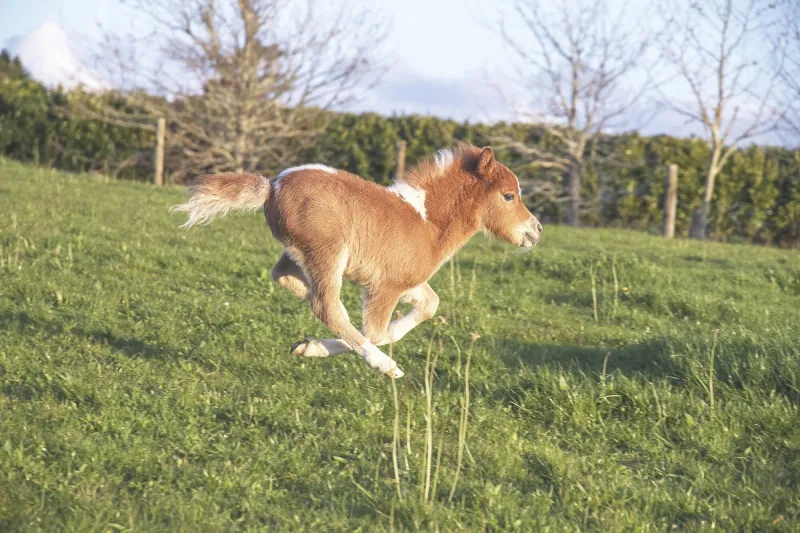
Adult Falabellas typically stand around 70 centimeters (about 28 inches) at the withers. Some individuals remain even smaller, reaching only about 40 centimeters (roughly 16 inches) when fully grown. In many cases, they can be smaller than a large dog, which is part of their appeal for urban and suburban enthusiasts.
Despite their size, Falabellas are proportioned more like full‑sized horses than ponies. They tend to have a slim, refined body and a glossy coat, with an overall silhouette that resembles breeds such as the Thoroughbred or Arabian. At the same time, their thick mane, sturdy bone structure, and the shape of the tail and fetlocks reflect the influence of pony‑type bloodlines, particularly cob‑type ponies.
In terms of temperament, Falabellas are generally described as gentle and relatively quiet. They do not vocalize as frequently or as loudly as some larger horses, which can help reduce noise concerns in more populated areas. Their average life expectancy is often cited around 20 to 30 years, meaning they are a long‑term commitment compared with many small animal companions.
The breed’s name comes from the Falabella family of Argentina, who played a central role in developing and stabilizing the breed. Beginning in the first half of the 20th century, horses such as Andalusians and Shetland ponies were selectively bred and gradually miniaturized over generations. Through ongoing refinement, breeders achieved the very small stature that characterizes the modern Falabella.
Miniature horses have appeared throughout history as companions, status symbols, and rare curiosities. Among these, the Falabella is often regarded by enthusiasts as one of the most refined and sought‑after miniature horse breeds.
Because of their extremely small size, Falabellas are not suitable for riding, even by children. Their bodies are simply not built to carry significant weight. Instead, their intelligence and trainability make them candidates for alternative roles. In some regions, there is growing interest in training miniature horses, including Falabellas, as guide or assistance animals, although this remains a specialized field and is subject to local regulations and welfare standards.
How to Purchase a Falabella
Falabellas are known for bonding closely with humans, which contributes to their popularity in countries like Japan and beyond. If you are considering adding one to your family, it is essential to understand how they are typically acquired and what ethical, legal, and welfare considerations apply in your region.
Where Are Falabellas Usually Sold
Unlike dogs and cats, Falabellas are rarely, if ever, sold through standard pet shops. Instead, they are usually obtained directly from breeders or facilities that already keep horses, such as farms that handle Thoroughbreds, ponies, or other equines.
Some breeders and farms list Falabellas for sale online. When exploring these options, experts recommend:
- Verifying the breeder’s reputation and experience with miniature horses
- Requesting health records and, where applicable, registration or pedigree information
- Confirming transport arrangements that prioritize the horse’s welfare
One of the most important practical issues is transportation. Horses are sensitive animals, and many experience significant stress during travel. To minimize this, picking up the Falabella in person by car is often considered ideal, especially for shorter distances. Due to their small size, a Falabella can sometimes be transported in a suitably prepared passenger vehicle, but local animal transport regulations and safety guidelines must always be followed.
How Much Does a Falabella Cost
Falabella pricing can vary widely. There is no single standard market price, and costs depend on factors such as bloodline, documentation, age, training, and overall health.
As a very rough reference, some markets report prices in the range of 400,000 to 3,000,000 yen, with many individuals clustering around the mid‑range. Converted to other currencies, this can still represent a substantial investment.
Several points influence the final price:
- Purity of bloodline and whether the horse is considered a purebred Falabella
- Availability of official pedigree papers or registration
- Reputation of the breeding program and any show or breeding history
In particular, purebred Falabellas associated with established breeding lines can reach several million yen or more, especially when accompanied by recognized documentation. Pet guardians should also budget for ongoing costs such as feed, hoof care, veterinary care, shelter maintenance, and insurance where available.
Basic Care Requirements for Falabellas
If you decide to welcome a Falabella into your life, the next step is understanding how to care for them day to day. While they are small, they are still horses, with needs that differ significantly from those of dogs, cats, or small mammals.
Below are key elements of responsible Falabella care that experienced horse guardians and equine professionals commonly emphasize.
Housing and Space for a Falabella
Providing an Appropriate Shelter
A safe, dry, and well‑ventilated shelter is essential for any horse, including miniature breeds. For a Falabella, many experts suggest that a basic stall or shelter should ideally provide at least:
- Height of around 1.3 meters (about 4.3 feet) or more
- Width of around 1.5 meters (about 5 feet) or more
- Depth of around 1.5 meters (about 5 feet) or more
These dimensions help ensure the horse can stand, turn, and lie down comfortably. Some pet guardians choose to build a simple shelter using materials from home improvement stores, while others adapt a large dog kennel or dog house as a starting point, provided it is modified for safety, ventilation, and ease of cleaning.
Regardless of the structure, secure footing, protection from extreme weather, and good drainage are crucial. Bedding material should be clean, dry, and replaced regularly.
How Much Land Do You Need
If you are able to provide daily walks, a large pasture is not always mandatory. However, having access to a small paddock or turnout area can significantly improve the horse’s quality of life.
As a general image, many guardians aim for around 5 tsubo (approximately 10 tatami mats, or roughly 16–20 square meters) of outdoor space for free movement, in addition to daily exercise. When regular turnout is limited, a daily walk of about 30 minutes is often recommended to support physical and mental health. In this respect, caring for a Falabella can resemble caring for a large dog that requires consistent exercise.
Local zoning laws, animal welfare regulations, and neighborhood rules may affect whether you can legally and practically keep a horse on your property, even a miniature one. Always confirm these details before making a commitment.
Daily Life With a Falabella
Feeding Routine
Falabellas, like other horses, are grazing animals whose digestive systems are designed for frequent, small amounts of fibrous food. For most individuals, high‑quality hay is the primary staple.
A common approach is to offer hay two to three times per day, adjusting the amount based on the horse’s body condition, activity level, and veterinary guidance. Many guardians place hay in a bucket, hay net, or feeder and top it up as it is eaten. Access to clean, fresh water at all times is non‑negotiable.
Concentrated feeds or supplements may be recommended in some cases, but these should always be tailored with input from an equine veterinarian or nutritionist, especially for miniature breeds that can be prone to obesity or metabolic issues if overfed.
Grooming and Bonding
Regular grooming is more than just a beauty routine for Falabellas. Daily brushing helps remove dirt, loose hair, and debris, supports healthy skin and coat, and provides valuable one‑on‑one time that strengthens trust.
Many miniature horses find gentle grooming relaxing once they are accustomed to it. Over time, this daily ritual can become a key part of your relationship, helping the horse feel secure and comfortable with handling, which is especially important for veterinary visits and hoof care.
Cleaning the Shelter
Falabellas typically urinate and defecate in or near their shelter, just like larger horses. To maintain hygiene and reduce odors, daily cleaning of the stall or shelter is strongly recommended.
This usually involves removing soiled bedding, manure, and wet spots, then replacing them with fresh bedding. Good manure management helps control flies, reduces the risk of hoof and skin problems, and creates a more pleasant environment for both the horse and nearby humans.
Your Long Term Commitment to a Falabella
Welcoming a Falabella miniature horse into your life can be deeply rewarding. These tiny equines combine the grace of a full‑sized horse with a size that can make daily interaction more accessible for some pet guardians.
To recap, responsible Falabella care typically involves:
- Recognizing that Falabellas are among the smallest horse breeds, not toys, and respecting their physical and emotional needs.
- Working with reputable farms or breeders when purchasing, and planning safe, low‑stress transportation.
- Preparing for a wide price range, with costs influenced by bloodline, documentation, and breeder reputation.
- Providing an appropriate shelter and suitable land or exercise routine, even if you live outside a traditional farm setting.
- Committing to consistent daily care, including two to three feedings of hay, regular grooming, and thorough cleaning of the shelter.
Above all, a Falabella is a long‑lived companion that depends on you for safety, comfort, and enrichment. By approaching ownership with knowledge, planning, and genuine affection, you can build a trusting relationship that lasts for decades and offers both you and your miniature horse a rich, shared life.
- 03.21.2026
- 10.22.2018

Noa Katagiri
Forever 16. A creative writer weaving stories from home. Cosplay / Portrait / Event / Writing etc…