Why Male Calico Cats Are So Rare And Why Some Sell For Over 5 Million Yen
This article is an English translation of the original Japanese article. Read the original Japanese version.
Imagine a single cat priced higher than a luxury car. Male calico cats are genetic miracles that appear only once in tens of thousands of births, and their rarity has turned a few of them into living legends with eye‑watering price tags.
When you hear about a cat with a price tag in the millions of yen, it is almost never an ordinary kitten. In one well known case from Aichi Prefecture, a male calico Maine Coon was listed for around 30 million yen, instantly becoming a hot topic among pet lovers and breeders alike.
Behind that shocking number is not hype alone. It reflects just how extraordinarily rare male calico cats are and how much value some people place on owning what is essentially a once‑in‑a‑lifetime cat.
What Exactly Is A Calico Cat
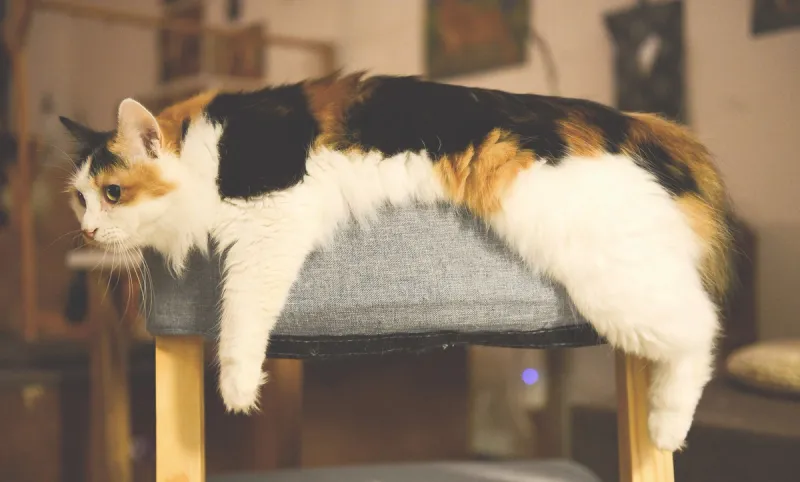
In everyday conversation, many people assume "calico" is a breed. In reality, calico describes a coat pattern, not a breed. A calico cat is any cat whose coat shows three distinct colors, typically white, orange or reddish brown, and black.
In Japan, you will often see calico patterns in mixed‑breed street cats. However, calico coloring can also appear in popular pedigreed cats such as:
- American Shorthair
- Maine Coon
- Munchkin
- Scottish Fold
Because calico is a color pattern, not a bloodline, it can show up across many different breeds and mixed‑breed populations.
Why Male Calico Cats Are So Rare
The key to understanding male calico rarity lies in genetics. In simple terms, the usual male chromosome combination does not easily allow three coat colors to appear together.
To create a classic calico pattern, a cat needs three colors present in the coat:
- White
- Orange or reddish brown (often called "red" in genetics)
- Black
Genes that control these colors are carried on two types of chromosomes:
- Autosomes which determine most traits other than sex
- Sex chromosomes which determine whether a kitten is genetically male or female
The genes for white and black are carried on the autosomes. The crucial twist is that the gene responsible for orange coloring is carried only on the X sex chromosome.
The Orange Gene And How It Works
The orange‑related gene is often called the O gene. It comes in two main versions (alleles):
- O which turns black fur into orange and suppresses black pigment
- o which allows black pigment and does not express orange
A cat’s coat color depends on the combination of these alleles:
- OO results in orange
- O (with no competing o) also results in orange
- Oo results in a mix of orange and black patches
- o results in black
- oo also results in black
Out of these five basic patterns, only the Oo combination can produce the orange‑and‑black mix that forms the basis of a calico coat. White is then added by separate genes to complete the classic tricolor look.
Why This Usually Produces Female Calicos
Like humans, cats have two sex chromosomes:
- XX for females
- XY for males
Because the O gene lives only on the X chromosome, a cat needs two X chromosomes to carry both O and o and become Oo. That means the genetic formula for a typical calico is XX with one O and one o, which automatically makes the cat genetically female.
In other words, the very chromosome setup that allows orange and black to coexist is the same setup that usually produces a female cat. This is why almost every calico you meet is female.
So How Do Male Calico Cats Happen
If calico genetics favor females, how does a male calico ever appear at all? The short answer is that male calicos are usually the result of rare genetic accidents or mutations.
In some cases, a male calico may have an unusual set of sex chromosomes, such as XXY instead of the typical XY. This condition is similar to what is known in human medicine as Klinefelter syndrome. An XXY cat can carry both O and o on its X chromosomes while still having a Y chromosome that makes it genetically male.
Other male calicos may arise from different types of genetic mosaicism or chimerism, where two different cell lines with different genetic codes exist in the same body. Regardless of the mechanism, all of these scenarios are extremely uncommon, which is why estimates often suggest that only about 1 in 30,000 calico cats is male.
A Symbol Of Good Fortune At Sea
Long before genetics were understood, sailors around the world relied on cats to protect their food stores from rats on long voyages. Living in harsh, unpredictable conditions, they naturally developed many superstitions about their feline companions.
Sailors believed that cats could sense approaching storms, that their behavior foretold changes in the weather, and even that they could ward off evil spirits. In Japan, these beliefs blended with local folklore and evolved into a unique superstition: a male calico cat was thought to protect ships from getting lost or wrecked.
Because male calicos were already rare, this belief made them even more coveted. Historical accounts suggest that some sailors were willing to pay substantial sums to bring a male calico on board, treating him as both a working mouser and a powerful good‑luck charm.
One famous example comes from the International Geophysical Year in 1957, when nations cooperated to explore the then‑mysterious Antarctic continent. Japan’s Antarctic research vessel reportedly carried a male calico cat named Takeshi as part of the crew. Archival photographs show Takeshi being cared for affectionately by the expedition members, reflecting how highly valued such cats were.
How Much Are Male Calico Cats Really Worth
Stories about male calico cats often focus on their astonishing price tags. Media reports have highlighted cases where male calicos were valued at 5 million yen or more, and some individual cats have been listed for far higher.
For example, there have been reports of a male calico Scottish Fold priced at around 20 million yen, and the previously mentioned male calico Maine Coon offered at roughly 30 million yen. These headline‑grabbing numbers tend to reflect asking prices rather than confirmed sale prices.
In actual transactions, many male calicos change hands for sums in the hundreds of thousands of yen rather than the tens of millions. Market value depends on multiple factors, including:
- Whether the cat is a recognized purebred
- Overall health and genetic screening results
- Age and temperament
- Demand among collectors and breeders at that moment
Pet parents and guardians should also be aware that most male calico cats have severely reduced fertility or are completely infertile, especially those with XXY chromosomes or other chromosomal abnormalities. Experts strongly advise against purchasing a male calico primarily for breeding purposes, as expectations for successful reproduction are rarely met.
How Many Male Calico Cats Might Live In Japan
Even knowing that male calicos are rare, it can be hard to picture what that rarity looks like in real life. Estimates often suggest that only about 1 in every 30,000 calico cats is male.
To put this into perspective, consider some survey data. According to a national survey by the Japan Pet Food Association, there are roughly 9.53 million owned cats in Japan. Various estimates place the number of community and stray cats at around 750,000 to 1.13 million; using 1 million as a working figure gives a total cat population of about 10.53 million.
Another survey, the "Cat Census 2018" by Iris Plaza, looked at 1,996 owned cats and found that about 8 percent were calico. If we apply that 8 percent to the estimated 10.53 million cats in Japan, we arrive at roughly 840,000 calico cats nationwide.
If only 1 in 30,000 of those calicos is male, that works out to around 28 male calico cats in all of Japan. Whether you see that as surprisingly high or incredibly low, it underscores just how unlikely it is to encounter one in everyday life.
What Pet Parents Should Know About Male Calicos
For pet parents and guardians, the fascination with male calico cats often goes beyond price. These cats sit at the intersection of genetics, folklore, and human emotion.
From a scientific standpoint, male calicos are living examples of how small genetic changes can create dramatic outcomes. From a cultural perspective, they carry centuries of stories about protection, safe voyages, and good fortune.
However, it is important to approach them with realistic expectations and responsible care:
- Do not expect breeding potential. Most male calicos are infertile due to underlying chromosomal issues.
- Prioritize health over rarity. Regular veterinary checkups and appropriate screening are essential, as some chromosomal conditions can be associated with other health risks.
- Value personality as much as pattern. A cat’s temperament, bond with their guardian, and quality of life matter far more in daily life than coat color alone.
Celebrating The Magic Of Every Calico
Understanding why male calico cats are so rare helps explain why a handful of them have fetched such astonishing prices and why sailors once trusted them as protectors against disaster. They are, in many ways, the "unicorns" of the cat world.
At the same time, the male calicos that command the highest prices are almost always purebred cats, such as pedigreed Maine Coons or Scottish Folds. Among the estimated few dozen male calicos in Japan, only a fraction are likely to be purebred, and finding one is largely a matter of chance.
Whether or not a calico is male, purebred, or exceptionally expensive, every calico cat can be a symbol of happiness and good fortune in the home. For pet parents and guardians, the real treasure is not the market value of a rare coat pattern, but the opportunity to build a lifetime of trust, comfort, and companionship with a unique feline friend.
- 03.02.2026
- 12.06.2018

Masaka
Veterinarian. My favorite animals are degus, ferrets, cows, and rabbits. I prefer tea over coffee.