Thinking About a Chinchilla Companion? Essential Gear and Care Basics for New Pet Parents
This article is an English translation of the original Japanese article. Read the original Japanese version.
Chinchillas are gentle, long-lived small animals that can become deeply bonded companions when their needs are understood. Learn what makes them unique, and discover the must-have supplies and care basics to prepare before you welcome a chinchilla into your home.
In this guide, you will learn what makes chinchillas so special and exactly what you need to prepare before bringing one home. With the right setup and knowledge, these sensitive little animals can thrive and share your life for many years.
What Is a Chinchilla?
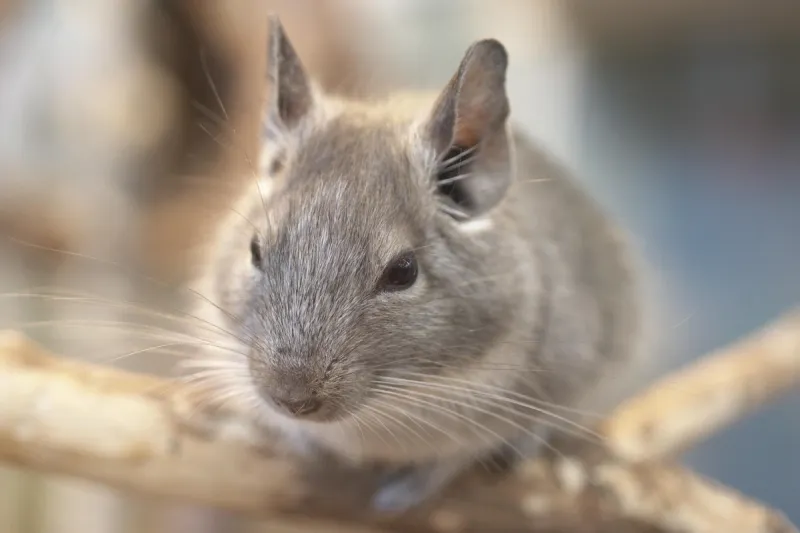
Chinchillas are small rodents native to the rocky mountains of Chile. In the wild, they spend daylight hours hidden in burrows or crevices and are most active at dusk, during the night, and early morning. This naturally makes them crepuscular to nocturnal companions in the home.
Their appearance is often described as a cross between a rabbit and a mouse, with large expressive eyes, prominent ears, and a plush tail. One of their most famous features is their incredibly dense, soft fur, which helps protect them from harsh mountain climates.
Chinchillas tend to be curious and can become very accustomed to gentle handling. They are generally quiet, with soft vocalizations, and produce relatively little odor when kept in a clean environment. When provided with proper housing, diet, and veterinary care, many chinchillas live 10 to 20 years, making them one of the more long-lived small pets.
Each chinchilla also has its own unique coat color and pattern, from classic gray to white, beige, and more. This individuality, combined with their gentle nature, is a big part of their growing popularity among pet guardians.
Essential Supplies for Chinchilla Care
Before you welcome a chinchilla home, it is important to have their environment fully prepared. The following items form the basic foundation of safe, comfortable chinchilla care.
Cage
Every chinchilla needs a secure, well-ventilated cage as their primary living space. Many manufacturers now offer cages designed specifically for chinchillas, which is ideal.
Chinchillas are active, agile jumpers, so experts recommend a tall, multi-level cage with sturdy shelves or steps rather than a small, single-level enclosure. A larger footprint and vertical space allow them to move, hop, and explore, which supports both physical and mental health.
Food Dish
Chinchillas are natural chewers, and plastic dishes are quickly destroyed and can pose a risk if ingested. To keep feeding time safe and tidy, choose a heavy ceramic or metal food dish that is difficult to tip over and cannot be chewed apart.
A stable dish also helps you monitor how much your chinchilla is eating each day, which is an important early indicator of health.
Water Bottle
For water, a sipper-style bottle that attaches to the outside of the cage is generally recommended. This helps keep the water clean and prevents bedding or droppings from contaminating the drinking area.
Select a bottle with a metal drinking spout to withstand chewing. If possible, choose a model with a glass or other durable body, as these are more resistant to damage and easier to keep hygienic over time.
Hideout or Nest Box
In nature, chinchillas rest in burrows or rock crevices where they feel secure. To mimic this, provide at least one hideout or nest box per chinchilla so each animal has a private retreat.
The hideout should be made from safe, sturdy materials that can tolerate chewing. Wood houses designed for small animals or heavy-duty, chew-safe options are preferred. A secure hiding place helps reduce stress and allows your chinchilla to rest deeply during the day.
Exercise Wheel
Regular exercise is essential for chinchilla health, but taking them outdoors for walks like a dog is usually not practical or safe. Instead, many pet parents provide a large, solid-surface exercise wheel similar to those used for hamsters, but appropriately sized for chinchillas.
The wheel should be quiet, stable, and have a running surface without rungs or gaps to protect their delicate feet and tail. Adequate exercise supports a healthy weight, strong muscles, and natural behaviors.
Bathing Dust or Sand
Unlike many animals, chinchillas do not bathe in water. In their natural habitat, they roll in fine volcanic dust to keep their dense fur clean and free of excess oils. To support this instinct, provide commercially prepared chinchilla dust or sand rather than using sand or soil collected outdoors, which can carry parasites or contaminants.
During dust bath time, chinchillas often roll and dig enthusiastically, which can send fine particles into the air. To protect electronics and sensitive equipment, keep them away from the bathing area. Many pet guardians place their chinchilla in a large plastic storage bin or similar container just for dust baths, and some use an air purifier nearby to help manage airborne particles.
Chew Toys and Safe Wood
Chinchillas, like other rodents, have teeth that grow continuously throughout their lives. Without appropriate chewing materials, their teeth can become overgrown and cause serious health issues. To prevent this, provide chew toys and untreated wood blocks made specifically for small animals.
When choosing wood, avoid species that can be harmful to chinchillas, such as certain cherry woods or some softwoods and conifers. Instead, rely on products clearly labeled as safe for chinchillas and free from preservatives, paints, or chemical treatments.
What Do Chinchillas Eat?
A chinchilla’s primary diet should be high-quality hay or dried grass, such as timothy hay. This provides the fiber necessary for healthy digestion and helps keep their teeth worn to an appropriate length.
In addition to hay, many veterinarians and nutrition experts recommend a measured portion of chinchilla-specific pellets to ensure balanced nutrition. These should be offered in moderation and chosen from reputable brands formulated for chinchillas.
As occasional treats, most chinchillas enjoy small amounts of dried fruits or other chinchilla-safe snacks. However, these are calorie-dense, so it is important to limit treats to prevent obesity and digestive upset.
Fresh, water-rich fruits and vegetables can sometimes cause soft stools or gastrointestinal issues in chinchillas. For this reason, many experienced guardians either avoid them entirely or introduce only very small amounts under veterinary guidance.
Because chinchillas are most active at night, they tend to eat primarily during the evening and overnight hours. Allow them to follow their natural rhythm, and avoid waking them repeatedly during the day just to interact. Gentle handling and playtime are best scheduled after sunset, when your chinchilla is naturally more alert and receptive.
Welcoming a Chinchilla Into Your Life
Chinchillas are undeniably charming, but they are still less common than many other companion animals, and their care needs can be surprising to first-time guardians. By learning about their natural behavior, diet, and housing requirements in advance, you set the stage for a safe and comfortable home.
Before bringing a chinchilla home, make sure you have gathered the essential supplies, identified a small-animal veterinarian with chinchilla experience, and prepared a quiet, stable location for their cage. Thoughtful preparation and ongoing education are the keys to supporting their long lifespan and sensitive nature.
With patience, respect for their nocturnal schedule, and consistent gentle handling, many chinchillas form strong bonds with their pet parents. Your efforts today can help build a relationship filled with trust, curiosity, and companionship for years to come.
This is the beginning of your journey as a chinchilla guardian—may it be a long, healthy, and happy one for both you and your new friend.
- 03.02.2026
- 11.26.2018

Noa Katagiri
Forever 16. A creative writer weaving stories from home. Cosplay / Portrait / Event / Writing etc…