Thinking About A Pet Chicken Meet the Tiny Tosa Jiro Bantam Pet Parents Love
This article is an English translation of the original Japanese article. Read the original Japanese version.
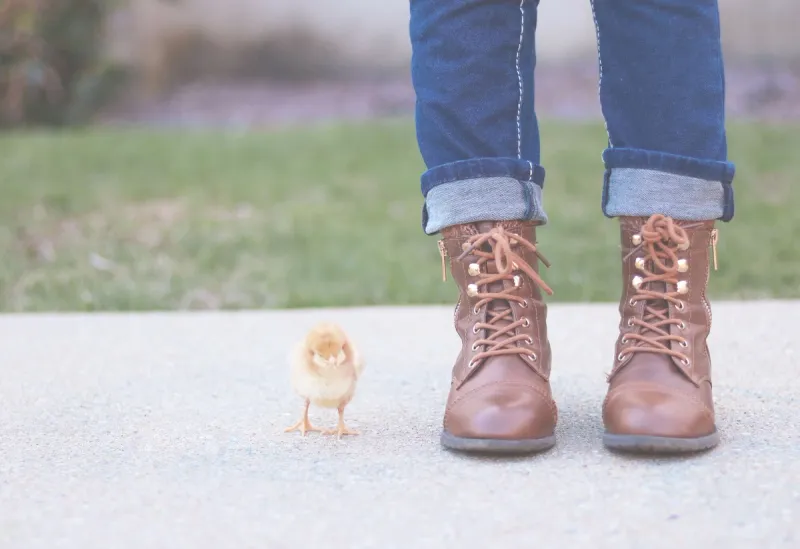
Ever wished you could keep a chicken as a companion animal, even in a small home This ultra small Tosa Jiro hybrid, often called Puchikokko in Japan, offers a surprisingly gentle temperament, modest size, and manageable care needs for dedicated pet parents.
Have you ever heard of a tiny companion chicken known as Puchikokko In Japan, this affectionate nickname is used for a very small type of chicken that many people keep as a pet rather than as livestock. Thanks to their compact size and calm personality, these birds are attracting attention from pet parents who want a unique, feathered family member.
This guide introduces what Puchikokko are, where they come from, how they are obtained in Japan, and what responsible care looks like so you can better understand whether a pet chicken like this could fit your lifestyle.
Loading...
What Is Puchikokko
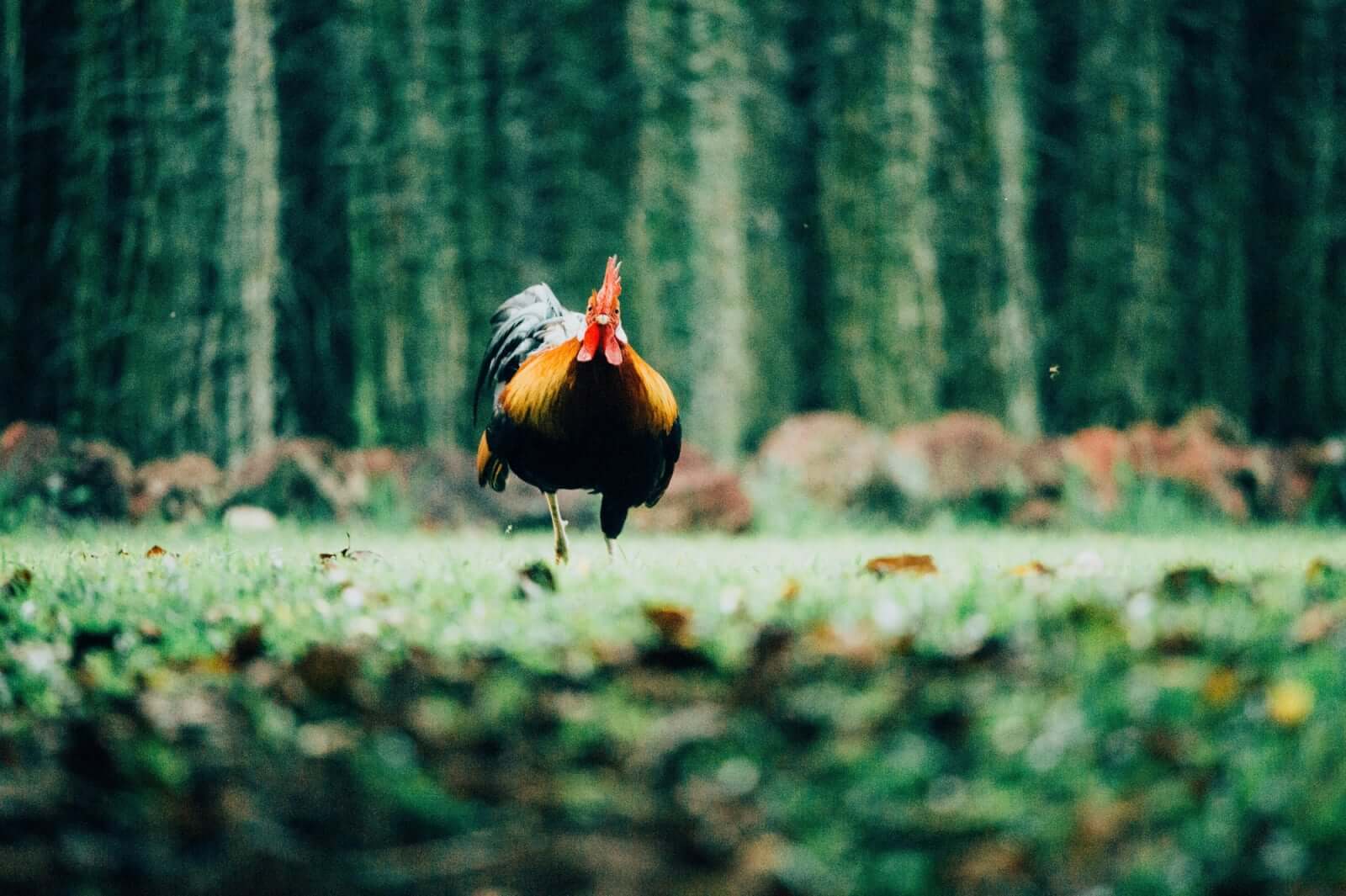
In Japan, the name Puchikokko is commonly used when the chicken breed Tosa Jiro is sold as a companion animal. Tosa Jiro itself is a first generation hybrid created by crossing the local Kochi Prefecture breed Tosa Jidori with the American Rhode Island Red. The result is a small, hardy bird that can be kept more like a pet than traditional farm chickens.
When you compare Puchikokko to a typical Rhode Island Red, the size difference is striking. A standard Rhode Island Red hen often reaches around 2 kilograms, while a Puchikokko generally stays close to 1 kilogram. Their eggs are also slightly smaller. Where a Rhode Island Red egg averages about 60 grams, a Puchikokko egg is usually around 50 grams.
Beyond size, several traits make this hybrid appealing to pet guardians:
- Indoor friendly size that can be managed in a spacious indoor enclosure
- Relatively quiet vocalization compared with many standard chickens, especially outside of the post laying call
- Good socialization potential, as they tend to become tame with regular, gentle handling
Their temperament is typically calm and non aggressive. Once a Puchikokko has adjusted to its environment and human family, it is less likely to peck than many larger, more nervous chickens. With consistent, positive interaction, many individuals become quite people oriented.
Average life expectancy is often reported at around seven to eight years. This is longer than many small mammals such as hamsters or some rabbits, but still shorter than the typical lifespan of dogs and cats. For many pet parents, this feels like a manageable commitment for a bird that can truly become part of the household.
Because of these characteristics, Puchikokko has gained popularity in Japan as a chicken that can be kept as a companion animal rather than solely for eggs or meat.
Where Are Puchikokko Available In Japan
In Japan, Puchikokko are raised in Kochi Prefecture, and they are not generally sold through ordinary pet shops. At certain times in the past, sales were even suspended due to concerns about avian influenza and the need for strict disease control.
Currently, information from the Kochi Prefectural Government indicates that a company called Agribusiness Kochi Co Ltd handles Puchikokko on a made to order basis. According to that information, people interested in keeping these birds contact the company directly to place a reservation.
The typical process described is as follows
- Call Agribusiness Kochi Co Ltd to place a reservation for Puchikokko
- Wait approximately 90 to 120 days while the birds are prepared
- Travel to Kochi City in Kochi Prefecture to receive your Puchikokko in person
The birds are handed over directly at the Agribusiness Kochi facility, and they do not ship via courier services. This in person pickup helps reduce transport stress for the chickens and supports better health management.
The reported price is around 5,000 yen per bird. Standard chickens in Japan may cost closer to 3,000 yen, so Puchikokko tends to be somewhat more expensive. That higher price reflects their specialized breeding, limited distribution, and their positioning as companion animals rather than general livestock.
If you live outside Japan, availability and regulations will be very different. Always check your local animal welfare laws, zoning rules, and import restrictions before considering any type of pet chicken.
How To Care For A Puchikokko
If you decide to welcome a Puchikokko into your home, thoughtful preparation is essential. Chickens have specific environmental, nutritional, and behavioral needs, and meeting those needs is key to keeping them healthy and stress free.
Below are the main items and care points commonly recommended for keeping a small pet chicken like Puchikokko.
Essential Equipment For Puchikokko Care
Spacious Coop Or Large Bird Cage
Even though Puchikokko are small, they are still chickens and need adequate space to move, stretch their wings, and express natural behaviors. Experts recommend a large indoor bird cage or compact coop that is sturdy, well ventilated, and secure from predators if used outdoors.
Because chickens tend to scatter feed and kick bedding while dust bathing, a roomy enclosure with solid sides or guards helps contain mess. A removable tray or droppings pan under the floor makes daily cleaning much easier and supports good hygiene.
Dust Bath Area
Like other chickens and many wild birds, Puchikokko use dust baths to keep their feathers clean and to help control external parasites. Providing a dedicated dust bath area is strongly recommended.
You can use a shallow box or tray filled with clean, dry sand or a safe dust bath substrate formulated for birds. Place it inside the enclosure or in a supervised play area so your chicken can bathe regularly.
Perches And A Nesting Area
Chickens naturally prefer to sleep off the ground, and Puchikokko is no exception. A stable perch at an appropriate height allows them to roost comfortably at night. Choose a perch with a diameter that lets their toes wrap around without strain.
As they mature, hens will lay eggs frequently, often close to daily in their first year. To support this, set up a quiet, sheltered nesting area where your Puchikokko can feel safe while laying. A simple nest box with soft, clean bedding is usually sufficient.
What Do Puchikokko Eat
For Puchikokko, grains form the main part of the diet. Commercially formulated chicken feed appropriate for small laying hens is generally recommended, as it provides a balanced mix of protein, vitamins, and minerals.
In addition to their staple feed, you can offer small amounts of fresh vegetables as healthy supplements. Leafy greens and other safe vegetables provide enrichment and extra nutrients. Introduce new foods gradually and in moderation.
Leftovers from human meals should be approached with caution. In particular, bread and cooked rice can ferment or spoil inside the crop, the chicken’s specialized storage organ at the start of the digestive tract. This can lead to digestive upset or illness. For that reason, many poultry experts advise avoiding soft, easily fermentable table scraps and focusing instead on appropriate formulated feed and safe fresh produce.
Always provide clean, fresh water in a stable container that cannot be easily tipped over.
Understanding Egg Laying In Puchikokko
Healthy hens typically begin laying once they reach maturity. For Puchikokko, the first year is often the most productive, with many hens laying an egg roughly once every one to two days. As they age, the laying frequency naturally decreases, and you may see eggs only every few days.
Collecting eggs promptly is important. If eggs are left in the nesting area for too long, there is a risk they may be accidentally broken or even eaten by the hen. Regularly checking the nest and gently removing eggs soon after they are laid helps maintain cleanliness and reduces unwanted egg eating behavior.
If you plan to consume the eggs, follow safe food handling practices and consult local guidelines regarding backyard or companion chicken eggs.
Managing Droppings Indoors Diapers For Chickens
Unlike dogs and cats, chickens do not learn to use a litter box or designated toilet area in the same way. Puchikokko is still a chicken at heart, so indoor guardians need a clear plan for managing droppings.
One option some pet parents choose is a specially designed chicken diaper or harness. These garments are worn around the bird’s body and hold an absorbent pad to catch droppings while the chicken is indoors or spending time outside its main enclosure.
There are designers and small businesses, particularly in the United States, that create charming chicken clothing and diapers, and many share their creations on social media. Some guardians also craft their own versions using materials such as paper masks or kitchen paper, ensuring that the design does not restrict breathing, movement, or normal feather positioning.
If you consider using a diaper, monitor your chicken closely for any signs of discomfort, skin irritation, or overheating. Diapers should be changed frequently, and chickens still need regular time without clothing so their skin and feathers can stay healthy.
Even with diapers, maintaining a clean, well managed enclosure and wiping up any accidents promptly are essential parts of indoor chicken care.
Welcoming A Tiny Chicken Into Your Family
Puchikokko shows that chickens can be much more than farm animals. With the right preparation, environment, and daily care, these small hybrid birds can become engaging, interactive companions for dedicated pet parents.
Because there is often a waiting period between reservation and pickup in Japan, prospective guardians have valuable time to research, gather supplies, and set up a safe, enriching space before their bird arrives. Using that time to plan carefully makes the transition smoother for both you and your new feathered family member.
If the idea of sharing your home with a tiny, gentle chicken appeals to you, consider whether your lifestyle, local regulations, and living space can support their needs. When those pieces are in place, you can welcome a Puchikokko not just as a novelty, but as a cherished companion and a unique addition to your animal family.
Loading...
- 03.02.2026
- 11.01.2018
Noa Katagiri
Forever 16. A creative writer weaving stories from home. Cosplay / Portrait / Event / Writing etc…