Shiba Inu History Explained From Ancient Japan To Global Icon
This article is an English translation of the original Japanese article. Read the original Japanese version.
The Shiba Inu’s story stretches back more than ten thousand years, from hunting partner in Japan’s mountains to beloved family dog and internet star. Discover how this small, foxlike companion survived war, crossbreeding, and changing lifestyles to become a symbol of modern Japanese culture.
The Shiba Inu that so many pet parents adore today is far more than a cute, foxlike companion. Behind those alert ears and curled tail lies over ten thousand years of shared history with people in Japan, from ancient hunting grounds to city apartments and social media fame.
In this guide, you will explore how the Shiba Inu emerged in the Jomon era, adapted to life as a mountain hunting dog, survived the threats of crossbreeding and war, and ultimately became the Shiba Inu the world knows today.
Ancient Roots The Jomon Era Origins Of The Shiba Inu
If you travel back roughly 10,000 years to the Jomon period in Japan, you already find clear evidence that people and dogs lived closely together. Archaeological sites from this era show that dogs were part of daily life, helping with hunting and guarding.
Among these early dogs, experts often highlight a small type known as the Jomon dog. Research suggests that the Jomon dog’s skeleton shares striking similarities with the modern Shiba Inu, indicating a deep ancestral connection.
Typical features of the Jomon dog included:
- Triangular, upright ears
- A tightly curled tail
- A compact, athletic body
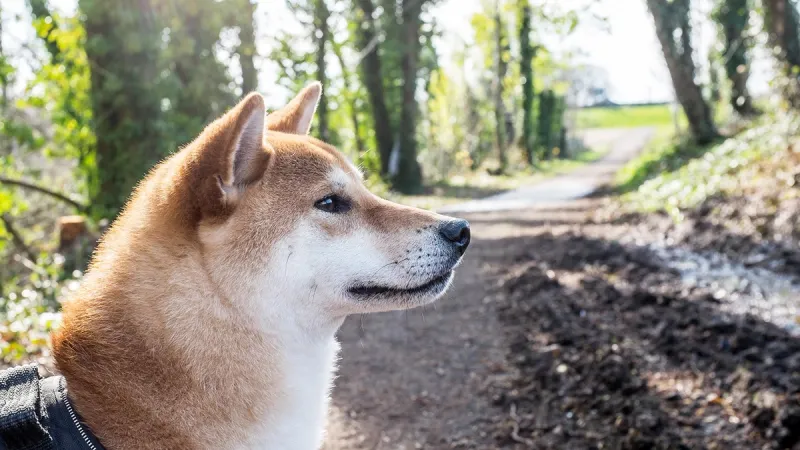
When you picture a Shiba Inu today, you are essentially seeing these same traits carried forward through thousands of years. This long, continuous relationship shows that the Shiba Inu is a native Japanese breed shaped alongside local lifestyles, landscapes, and culture.
Mountain Hunters How Shiba Inus Worked In Japan’s Rugged Terrain
After the Jomon era, Shiba-type dogs continued to live mainly in Japan’s mountainous regions. They were not ornamental pets but hardworking hunting partners, valued for their agility, independence, and sharp senses.
In areas such as Shinshu (modern Nagano), Mino (Gifu), and the Sanin region (Tottori and Shimane), slightly different local Shiba types developed naturally. Each reflected the terrain, climate, and hunting style of its region.
Commonly described regional types included:
- Shinshu Shiba
Stocky, strong-boned, and sturdy. This type became the foundation of most modern Shiba Inus. - Mino Shiba
Deep, rich red coat with a very wild, primitive appearance. This line is now considered functionally extinct. - Sanin Shiba
Relatively small, with a longer, narrower face and slightly larger ears. Known for strong wariness and a highly independent nature.
These dogs excelled as hunting companions in forests and mountains, flushing out small game and supporting hunters with their keen observation and quick reactions. Many of the Shiba Inu traits pet guardians notice today—sharp awareness, fast reflexes, and a naturally cautious temperament—are direct echoes of this working-dog past.
Loading...
A Breed In Danger Western Crossbreeding And The First Preservation Efforts
The Meiji era brought rapid modernization to Japan, and with it, a surge in imported Western dog breeds. In cities, crossbreeding between native Shiba-type dogs and Western dogs became increasingly common.
As a result, pure Shiba Inu bloodlines began to disappear, especially in urban areas. Concerned dog lovers, hunters, and researchers recognized that Japan’s native dogs were at risk of being lost forever and started organized efforts to protect them.
These early preservation activities focused on:
- Identifying and protecting remaining native Shiba-type dogs
- Documenting and standardizing breed characteristics
- Establishing structured breeding and pedigree management
In 1936, these efforts reached a major milestone when the Shiba Inu was officially designated a Natural Monument of Japan. This recognition helped drive the formation of organizations such as the Nihon Ken Hozonkai (Japan Dog Preservation Society), which worked to standardize the breed and safeguard its future.
The standard chosen at that time was based primarily on the Shinshu-type Shiba Inu, which is why most Shiba Inus you see today trace back to this regional line.
War And Near Extinction How The Shiba Inu Survived A Devastating Era
Just a few years later, the Pacific War brought a new and severe crisis. Air raids, food shortages, and social upheaval made it extremely difficult for families to keep dogs. Many Shiba Inus died from malnutrition, disease, or direct war-related damage.
On top of this, public health measures aimed at controlling rabies led authorities to cull large numbers of dogs, including native breeds. These combined pressures pushed several Shiba Inu lines to the brink.
By the end of the war, Mino Shiba and Sanin Shiba lines were effectively wiped out, and only a small number of Shiba Inus survived. Dedicated breeders and preservationists gathered these remaining dogs and restarted careful breeding programs in the postwar years.
The Shiba Inu you see today is therefore a descendant of a very limited group of survivors that made it through one of the harshest periods in modern history. This genetic bottleneck is an important part of the breed’s story and one reason responsible breeding and health monitoring are so important for Shiba guardians today.
From Watchdog To Family Member Shiba Inus In Modern Japanese Homes
As Japan rebuilt after the war and entered periods of rapid economic growth, everyday life changed dramatically. Urbanization increased, housing styles shifted, and more families began to keep dogs primarily as companions rather than purely as working animals.
From around the 1960s onward, the Shiba Inu gradually transitioned from yard watchdog to indoor family dog. Pet parents discovered that, with the right socialization and training, Shiba Inus could adapt well to modern life.
Many of the traits that once made them excellent hunting dogs now make them appealing companions:
- Minimal nuisance barking compared with many other breeds
- Ability to stay home alone for moderate periods when properly trained
- High intelligence and responsiveness to consistent, positive training
- Generally robust health and strong constitution when responsibly bred
These qualities helped establish the Shiba Inu as a natural fit for many Japanese households, especially those living in smaller homes or apartments.
During this period, pet guardians also began to appreciate and seek out more visual variety within the breed. As a result, coat colors and textures such as:
- Black and tan Shiba
- Sesame Shiba
- Cream or white Shiba
- Long-haired Shiba
became more widely recognized and discussed. While not all variations are accepted in every show ring, this growing appreciation for individuality and appearance diversity contributed to the Shiba Inu’s rising popularity.
Shiba Inu Goes Global From Native Japanese Dog To Worldwide Star
In the twenty-first century, the Shiba Inu stepped firmly onto the global stage. Under the name Shiba Inu, the breed gained enthusiastic followings in North America, Europe, and beyond.
International pet parents are often drawn to the Shiba Inu’s compact size, foxlike expression, and dignified yet playful personality. Social media accelerated this trend, turning individual Shiba Inus into viral celebrities.
Key moments in the Shiba Inu’s global rise include:
- The "Doge" internet meme, which used a Shiba Inu’s expressive face and playful captions to capture global attention
- Viral Shiba Inu videos and photos on Instagram, TikTok, and other platforms, showcasing their quirky behavior and dramatic expressions
- The launch of Shiba Inu–themed cryptocurrencies such as "SHIB," which further cemented the breed’s image as a symbol of modern, tech-savvy Japanese cool
Today, the Shiba Inu is widely seen as an icon of contemporary Japanese culture, much like sushi, anime, or cherry blossoms. For many people around the world, meeting a Shiba Inu is a first, tangible connection to Japan’s traditions and aesthetics.
Protecting A Living Treasure Your Role In The Future Of The Shiba Inu
The Shiba Inu is not just a popular companion dog. It is a rare, native Japanese breed shaped by thousands of years of coexistence with people and nature. From ancient Jomon villages to modern city streets, Shiba Inus have adapted alongside human society while retaining their distinctive spirit.
As a current or future Shiba Inu pet parent, you play a direct role in protecting and honoring this living heritage. Consider the following when caring for or choosing a Shiba Inu:
- Seek responsible breeders or reputable rescues that prioritize health, temperament, and breed preservation over trends.
- Support proper socialization and training, helping your Shiba express its natural independence in safe, appropriate ways.
- Respect the breed’s history as a working dog by providing regular mental and physical enrichment, not just affection.
By understanding where the Shiba Inu comes from, you can better appreciate the dog curled up at your feet today. When you choose to care thoughtfully for a Shiba Inu, you are not only gaining a loyal companion—you are helping carry a unique piece of Japanese history into the future.
Your journey with a Shiba Inu can be the next chapter in a story that began over ten thousand years ago. With informed, compassionate guardianship, this remarkable breed can continue to thrive for generations to come.
- 03.15.2026
- 05.14.2025