Should Your Dog Be Trimmed Or Not? How To Tell And Groom Safely
This article is an English translation of the original Japanese article. Read the original Japanese version.
Not every dog actually needs a full trim, and in some cases cutting the coat too short can do more harm than good. Learn how to tell if your dog is a true trimming breed, what professional groomers really do, and how to keep your dog safe, comfortable, and stylish.
Many pet parents assume that every dog needs regular haircuts. In reality, some breeds truly require trimming, while others can be harmed by cutting the coat too short. Understanding the difference is essential for your dog’s comfort, skin health, and overall appearance.
Professional groomers love the creative side of their work, shaping each dog into the style that suits them best. But behind that final cute haircut is a structured process designed to protect the dog’s skin, coat, and wellbeing.
How To Tell If Your Dog Is A Trimming Breed
One of the main guidelines groomers use is whether a dog has a single coat or a double coat.
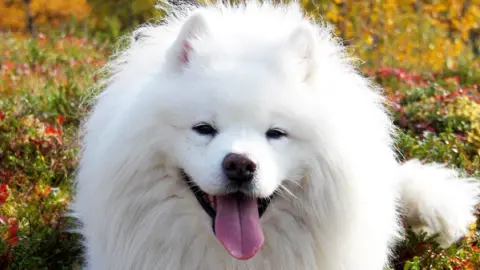
Double-coated dogs have two distinct layers of fur. The soft, dense undercoat helps with insulation, while the coarser topcoat (also called guard hairs or overcoat) protects against sun, moisture, and dirt. Breeds like many Spitz types and some herding dogs fall into this category.
Single-coated dogs, on the other hand, typically have a more continuously growing coat with less developed undercoat and minimal topcoat. These coats tend not to shed heavily but keep growing, which is why they require regular trimming to stay healthy and manageable. These are often referred to as trimming breeds.
Experts emphasize that many single-coated breeds need scheduled grooming appointments to prevent matting, maintain hygiene, and keep the dog comfortable. However, this guideline is not absolute.
Some double-coated breeds, such as Schnauzers, are also treated as trimming breeds in professional grooming. Their coat type and traditional breed styling call for regular clipping or hand-stripping. Because of this, coat type should be seen as a helpful indicator, not a rigid rule. When in doubt, consult a qualified groomer or veterinarian familiar with your dog’s specific breed.
What Professional Groomers Actually Do
When people hear “trimming,” they often picture only the haircut. In professional grooming, though, trimming is actually the final step in a much longer process.
Groomers follow a series of stages to keep the dog safe, clean, and relaxed before they ever pick up the scissors.
Basing The Foundation Care
The first stage is often called basing. This includes the essential basics that support the rest of the grooming session, such as:
- Nail trimming or filing
- Ear cleaning
- Checking the skin and coat for irritation, parasites, or injuries
These steps help ensure the dog is comfortable and that there are no hidden issues that could be worsened by bathing or trimming.
Brushing To Prepare The Coat
Next comes brushing, which is much more than just a quick once-over. Groomers carefully work through the coat to remove tangles, loose hair, and debris so that the fur lies in the right direction.
Thorough brushing makes the entire rest of the grooming process smoother. It allows shampoo to reach the skin evenly, reduces the risk of mats tightening when wet, and helps the coat dry more efficiently later.
Shampooing For Clean, Healthy Skin
After brushing, the dog is ready for shampooing. Groomers choose products based on coat type and skin condition, using techniques that clean the skin and hair without stripping essential oils.
Just like brushing, a careful shampoo and rinse dramatically affect how easy the coat is to trim later. A properly washed coat is less likely to tangle, and the groomer can see the dog’s true body lines more clearly.
Drying To Set Up The Final Look
Once clean, the dog moves on to drying. Using a dryer, groomers remove moisture from the coat while brushing or combing to smooth the fur and lift it away from the skin.
This stage is crucial. How well the coat is dried strongly influences both how easy it is to trim and the quality of the final finish. A fully and correctly dried coat allows for more precise scissoring or clipping and a more polished look.
Trimming The Coat Into Shape
Only after all of these steps does the groomer reach the part most pet parents recognize: trimming.
Here, the groomer cuts and shapes the coat to achieve the desired style, whether that’s a practical, low-maintenance trim or a more decorative look. In some cases, this includes clipping with electric clippers; in others, it may rely more on scissoring or hand-stripping, depending on the breed and coat.
In Japan, the profession is commonly called “trimmer,” but technically trimming is just this final stage. The entire process from basing through drying and trimming is known as grooming, and internationally the professionals are usually called groomers.
When Trimming Can Be A Problem
Not all dogs benefit from having their coat cut short. In fact, some double-coated breeds can experience long-term coat and skin issues if they are clipped too closely, especially in what is often called a “summer cut.”
Pet guardians should be aware that, in certain dogs, trimming too short can:
- Make the coat look patchy or unkempt for months
- Increase heat stress instead of relieving it
- Contribute to skin disease and long-lasting hair loss
Understanding these risks helps you make better grooming choices for your individual dog.
When The Coat Just Doesn’t Grow Back Nicely
Double-coated dogs are often not considered trimming breeds. In these dogs, the undercoat is designed to be dense and relatively short to maintain insulation, while the topcoat provides protection and length.
If a double coat is clipped very short, the hair will start to grow back within a month or two. However, the undercoat may remain short and dense, especially outside of the natural shedding seasons in spring and autumn. During those times, the coat is not actively cycling for length.
As a result, the topcoat may grow back unevenly or more slowly, leaving the dog looking scruffy or “moth-eaten” for a prolonged period. This is one reason breeds like the Pomeranian have a reputation for “not growing back” properly after being cut.
In many cases, the hair does eventually recover, but it can take a long time for the undercoat to normalize. Similar issues can occur in other Spitz-type breeds and double-coated dogs.
Why Short Cuts Can Feel Hotter, Not Cooler
It is easy to assume that less hair means a cooler dog, but for many double-coated breeds, the coat actually helps regulate temperature. Dogs are much closer to the ground than humans, so ground heat and reflected heat from asphalt and concrete can be intense.
Normally, the coat acts as a barrier, helping to shield the skin from radiant heat and sun. When the fur is shaved or clipped very short, there is less protection against heat and UV rays, and the dog may absorb more heat directly.
For dogs that spend a lot of time outdoors or walk frequently on hard surfaces like asphalt and concrete, experts recommend focusing on shade, cool surfaces, hydration, and appropriate coat care rather than automatically opting for a very short cut.
Increased Risk Of Skin Problems
Environmental changes, such as increased UV exposure and direct heat on the skin, can contribute to skin disease in some dogs. In certain cases, this can also be linked to poor hair regrowth after trimming.
When coat damage is purely cosmetic, as in the uneven regrowth described earlier, the coat often improves within about six months. However, if hair loss is associated with underlying skin disease, regrowth can take years or may never fully return to normal.
Some pet parents request very short cuts for dogs that already have skin issues, hoping that a close clip will keep the area cleaner. While hygiene is important, the coat also serves as a protective barrier. Removing too much can leave the skin more vulnerable.
Whenever a dog has existing skin problems, consider these steps:
- Leave a protective layer of coat rather than shaving down to the skin
- Avoid aggressive clipper work directly on inflamed or fragile skin
- Work with a veterinarian to address the underlying condition alongside grooming
Groomers often prefer to use scissors instead of clippers on compromised skin to reduce friction and irritation whenever possible.
Choosing The Right Grooming Approach For Your Dog
The concerns described here are most common with very close cuts, such as extreme “summer cuts” that remove hair down near the skin. These styles can be appropriate for some true trimming breeds but are often risky for double-coated dogs.
That does not mean you have to give up on style or practicality. With thoughtful planning, you can keep your dog comfortable and still enjoy a neat, attractive look.
Pet guardians can work with a professional groomer to:
- Confirm whether their dog is a true trimming breed or a double-coated breed better suited to more conservative cuts
- Choose styles that reduce bulk and matting without stripping away all protective coat
- Focus on targeted areas like the paws, sanitary areas, and around the eyes for comfort and hygiene
Before deciding on a cut, consider not only the design and appearance but also how the style will affect your dog’s skin, temperature regulation, and long-term coat health.
Partnering With Your Groomer For Lifelong Coat Health
Grooming is much more than a beauty treatment; it is an essential part of preventive care. By understanding your dog’s coat type and the full grooming process, you can make informed choices that support both health and style.
Work closely with your groomer and veterinarian, ask questions about coat type and appropriate lengths, and prioritize your dog’s comfort and skin health over extreme styles. With the right approach, you can enjoy a lifetime of safe, stylish grooming and a stronger bond with your canine companion.
- 03.02.2026
- 05.14.2016