10 Underrated Dog Breeds Every Pet Parent Should Know Next
This article is an English translation of the original Japanese article. Read the original Japanese version.
You already know the Kooikerhondje thanks to a certain superstar baseball player and his famous dog. Meet 10 equally fascinating, under‑the‑radar breeds that could be the next big conversation starters for devoted pet parents.
Key takeaways
Q. What kind of dogs are introduced as the 'next minor breeds to watch' in this article?
They are ten unique breeds from around the world, including Hungary, France, Africa, Tibet, and Mexico.
Q. What main characteristics or roles do the minor breeds in this article tend to have?
Many are working dogs with histories as herding, guarding livestock, hunting, or monastery guard dogs.
Q. In what situations can you make use of the minor breed topics from this article?
You can use them as trivia about lesser-known breeds in conversations or casual small talk with friends.
If you follow dog trends, you have probably heard of the Kooikerhondje by now. Once a niche Dutch breed, it suddenly stepped into the global spotlight as the beloved companion of a world‑famous baseball player. While no dog should be judged by popularity alone, many pet parents secretly miss being able to say, “Have you ever heard of the Kooikerhondje?” and watching friends’ eyes widen.
In that spirit, this guide introduces 10 lesser‑known dog breeds that could be “next up” on the global stage. Whether you are a seasoned pet guardian or just love learning about canine diversity, these breeds offer rich histories, unique looks, and remarkable working abilities.
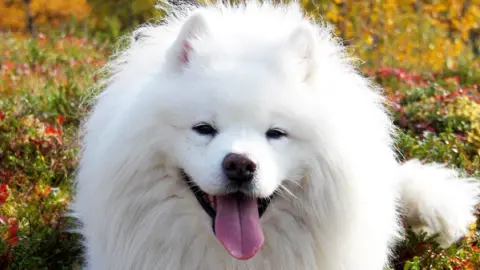
Kuvasz
The Kuvasz is a large livestock guardian dog originating from Hungary. Imagine a dog that looks like a cross between a Golden Retriever and a Great Pyrenees, wrapped in a powerful, athletic frame. Historians trace its ancestry back to ancient Tibetan Mastiff–type dogs, selectively bred to protect flocks and farms.
Today, Kuvaszok are known for their strong protective instincts and deep loyalty to their families. They are intelligent, independent thinkers, which makes early socialization and consistent training essential. For experienced pet parents who appreciate a confident guardian, the Kuvasz can be a devoted partner.
Pumi
Also from Hungary, the Pumi is a medium‑sized herding dog with terrier roots. At first glance, many people notice its curly coat and expressive ears and think of a Poodle mix. In fact, its distinctive, springy coat has earned it the playful nickname “the electrified dog” among enthusiasts.
Although its name sounds similar to the Hungarian Puli, and the two breeds are historically related, they look quite different. The Pumi is lighter on its feet, with a more open, curly coat instead of the Puli’s corded “mop dog” appearance. Active pet guardians who enjoy dog sports and mental games often find the Pumi’s energy and problem‑solving skills very rewarding.
Coton de Tulear
The Coton de Tulear is a small companion dog from Madagascar with a name as romantic as its appearance. In French, it roughly means “the cotton of Tulear,” referring to the port city of Toliara (Tulear) and the breed’s soft, cotton‑like coat.
The breed is believed to have developed from the now‑extinct Coton de la Réunion, crossed with Maltese and Bichon Frisé–type dogs brought by European travelers. As the Coton de Tulear rose in popularity, the older Réunion strain disappeared.
Historically, the Coton de Tulear was cherished by both local nobility and everyday families. At one point, aristocrats reportedly tried to restrict ownership with rules that said commoners should not keep Cotons. Those rules were widely ignored, and the breed continued to thrive as a beloved family dog, known for its cheerful, people‑oriented nature.
Beauceron
The Beauceron is a large French herding and guarding dog originating from the Beauce region. Its strong, athletic build and black‑and‑tan markings immediately remind many people of the Doberman Pinscher. That resemblance is no coincidence: the Beauceron is one of the breeds that contributed to the development of the Doberman.
Beyond farm work, Beaucerons have a long history of service. During World War I, they were used as military dogs, valued for their courage, intelligence, and trainability. Today, they still serve as police dogs, search‑and‑rescue dogs, and highly capable sport partners. With proper training and structure, they can be steady, loyal companions for experienced pet parents.
Briard
The Briard is another large French herding breed, this time from the Brie region. Although it does not closely resemble the Beauceron in appearance, the two are considered “sibling” breeds in terms of their shared pastoral heritage.
The Briard is famous for its long, flowing coat and keen expression. Historical accounts often refer to it as “the dog Napoleon loved,” highlighting its long‑standing presence in French culture. During World War II, Briards served as military dogs, performing tasks such as sentry work and message delivery.
Modern Briards are typically loyal, sensitive, and highly trainable. Their heavy coat requires regular grooming to prevent mats and skin issues, so pet guardians should be prepared for consistent coat care alongside mental and physical exercise.
Azawakh
The Azawakh is a slender, elegant sighthound from West Africa. For thousands of years, it has been protected and selectively bred by Tuareg nomads as a hunting and guarding dog. In English, it is sometimes referred to as the Tuareg Sloughi, reflecting its similarity to other desert sighthounds.
With its long legs, deep chest, and fine coat, the Azawakh resembles breeds like the Borzoi and Sloughi. It is built for speed and endurance, and records from dog racing events report that Azawakhs can reach speeds of around 65 km/h (about 40 mph).
Despite their athleticism, many Azawakhs are calm and reserved indoors, forming strong bonds with their families while remaining aloof with strangers. Thoughtful socialization and gentle, consistent handling are especially important for this sensitive, dignified breed.
Schapendoes
The Schapendoes is a shaggy‑coated herding dog from the Netherlands. Its name comes from Dutch words meaning “sheep dog,” reflecting its original role as a versatile farm helper.
The breed’s abundant, tousled coat gives it a charmingly unkempt look, but that same coat nearly vanished from the world. Around World War II, the Schapendoes was considered close to extinction. Later, a small number of surviving dogs were discovered, and dedicated breeders used them to rebuild the population and bring the Schapendoes back from the brink.
Today, the Schapendoes is appreciated as an agile, intelligent family companion that thrives on activity and close interaction with its people. Regular grooming and mental enrichment help this breed stay comfortable and content.
Tornjak
The Tornjak is a livestock guardian dog from Bosnia and Herzegovina. Its name is thought to derive from the Latin word turris, meaning “tower,” a reference to its watchful, steadfast guarding style.
Traditionally, Tornjaks protected flocks from predators in mountainous regions. Local stories describe their bravery, including a famous tale of a single Tornjak reportedly driving off nine wolves on its own. While such accounts are hard to verify scientifically, they reflect the strong guardian reputation this breed holds in its homeland.
Modern Tornjaks are typically calm, observant, and deeply attached to their families. Because of their size and guarding instincts, they do best with pet guardians who can provide secure fencing, clear boundaries, and positive, consistent training.
Lhasa Apso
The Lhasa Apso is a small dog from Tibet, originally kept as a guardian in monasteries and noble households. Its name combines “Lhasa,” the capital of Tibet, and “apso,” often interpreted as “bearded dog.”
Despite their small size, traditional Lhasa Apsos were valued as alert watchdogs, often paired with larger guardian dogs. Over time, they also became cherished companions. Later, when Lhasa Apsos were crossed with Pekingese‑type dogs, the result was the development of the modern Shih Tzu.
Today’s Lhasa Apsos are known for their confident, sometimes independent personalities and their long, flowing coats. Pet parents can choose to keep the coat long with intensive grooming or opt for a shorter “puppy cut” to make daily care more manageable.
Xoloitzcuintli
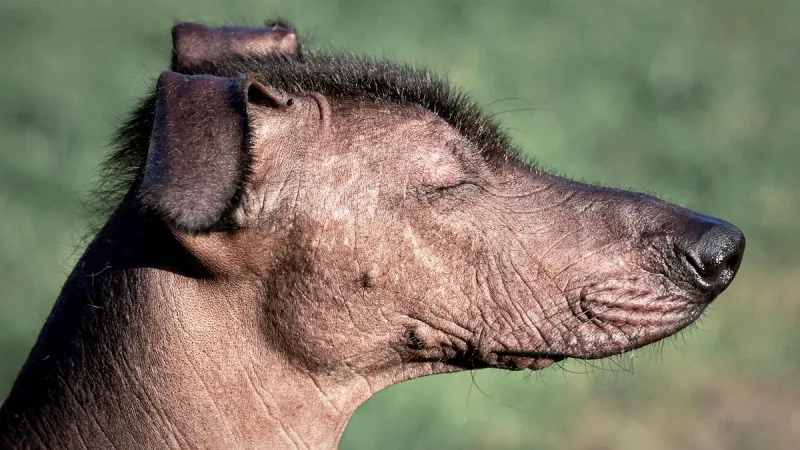
The Xoloitzcuintli, often shortened to Xolo, is also known as the Mexican Hairless Dog. This ancient breed from Mexico is believed to have existed even before the rise of the Aztec Empire, based on archaeological findings and historical records.
Its name comes from the Aztec god Xolotl and the word itzcuintli, meaning “dog,” giving it a deeply spiritual identity. In Aztec mythology, Xolos were said to guide the souls of the dead on their journey to the afterlife, making them both sacred companions and protectors.
Despite this mystical background, the Xoloitzcuintli is very much a modern companion as well. The breed comes in three sizes – Standard, Miniature, and Toy – and in both hairless and coated varieties. It is recognized by major kennel clubs and is more common than many people realize. Hairless Xolos require thoughtful skin care, including sun protection and gentle cleansing, to keep their skin healthy.
Discovering Your Next Favorite Breed
How many of these breeds had you heard of before today? If you discovered a new favorite, consider sharing one or two of these stories the next time you chat with fellow pet parents – they make excellent icebreakers for dog lovers.
There are many more rare and regional breeds around the world, including lesser‑known Japanese dogs that still lack extensive documentation outside their home regions. As global interest in canine diversity grows, responsible breeders, historians, and pet guardians all play a role in preserving these unique lineages.
If you have a minor or emerging breed you are curious about, keep exploring reputable resources, talk with breed clubs, and connect with experienced guardians. Your curiosity helps keep these remarkable dogs seen, understood, and valued for generations to come.
- 03.20.2026
- 04.23.2025