Husky vs Malamute vs Greenland Dog Differences Pet Parents Should Know
This article is an English translation of the original Japanese article. Read the original Japanese version.
Siberian Huskies and Alaskan Malamutes may look alike, but their size, temperament, and working style are surprisingly different. Learn how these iconic sled dogs compare, and meet the Greenland Dog, a primitive Arctic breed often called one of the oldest in the world.
Key takeaways
Q. What is the difference in body size between Siberian Huskies and Alaskan Malamutes?
Huskies weigh about 20–27 kg and are slim for speed. Malamutes weigh about 35–45 kg and are heavier and power-focused.
Q. Do Huskies and Malamutes differ in temperament and suitability as guard dogs?
Huskies are bright, sociable, and not very wary, so they are poor guard dogs. Malamutes are calmer and somewhat more cautious.
Q. How is the Greenland Dog related to Huskies and Malamutes?
It shares Spitz-type ancestors with them and is a sled-dog cultural root, retaining more primitive characteristics.
Speed Focused Husky And Powerhouse Malamute
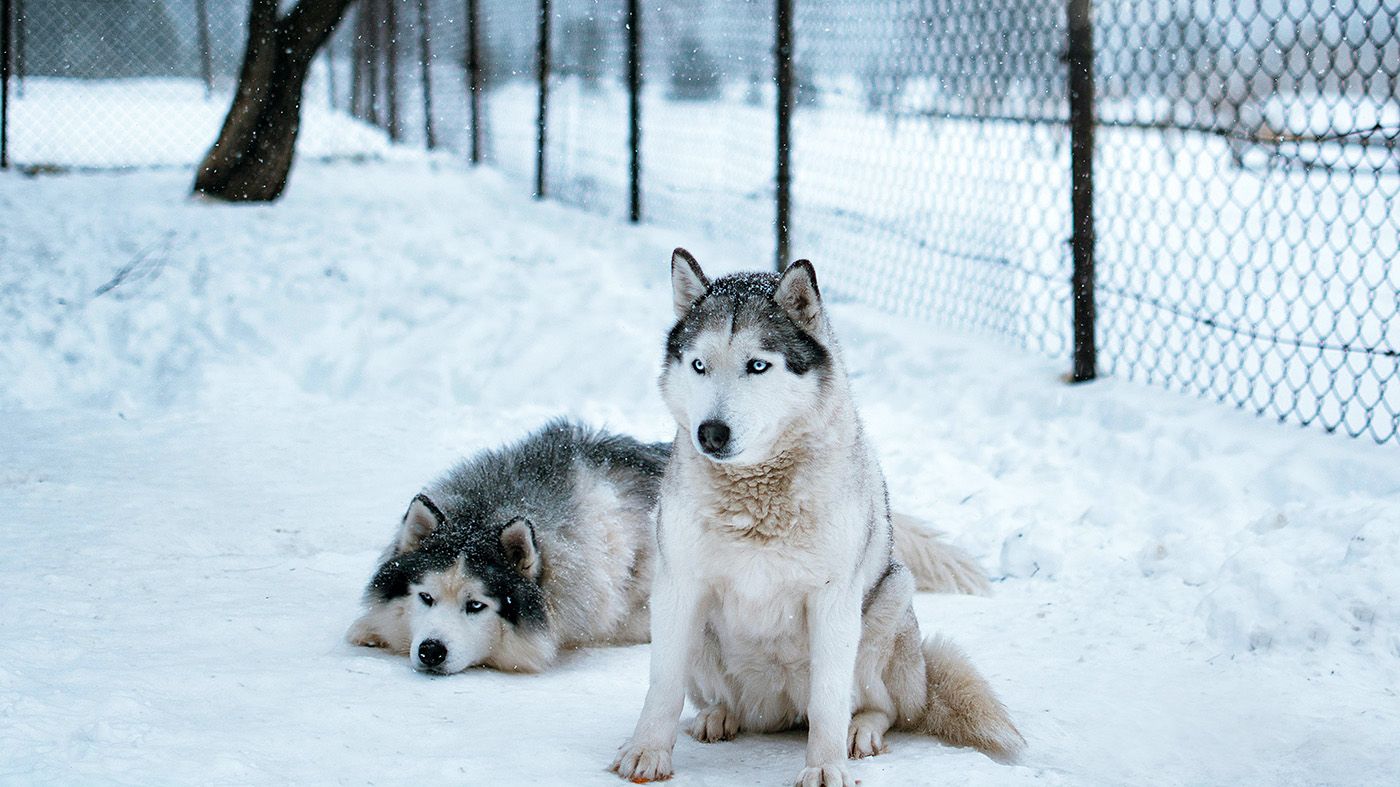
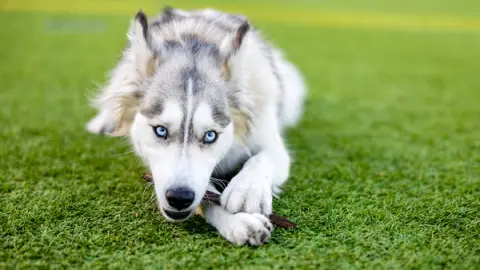
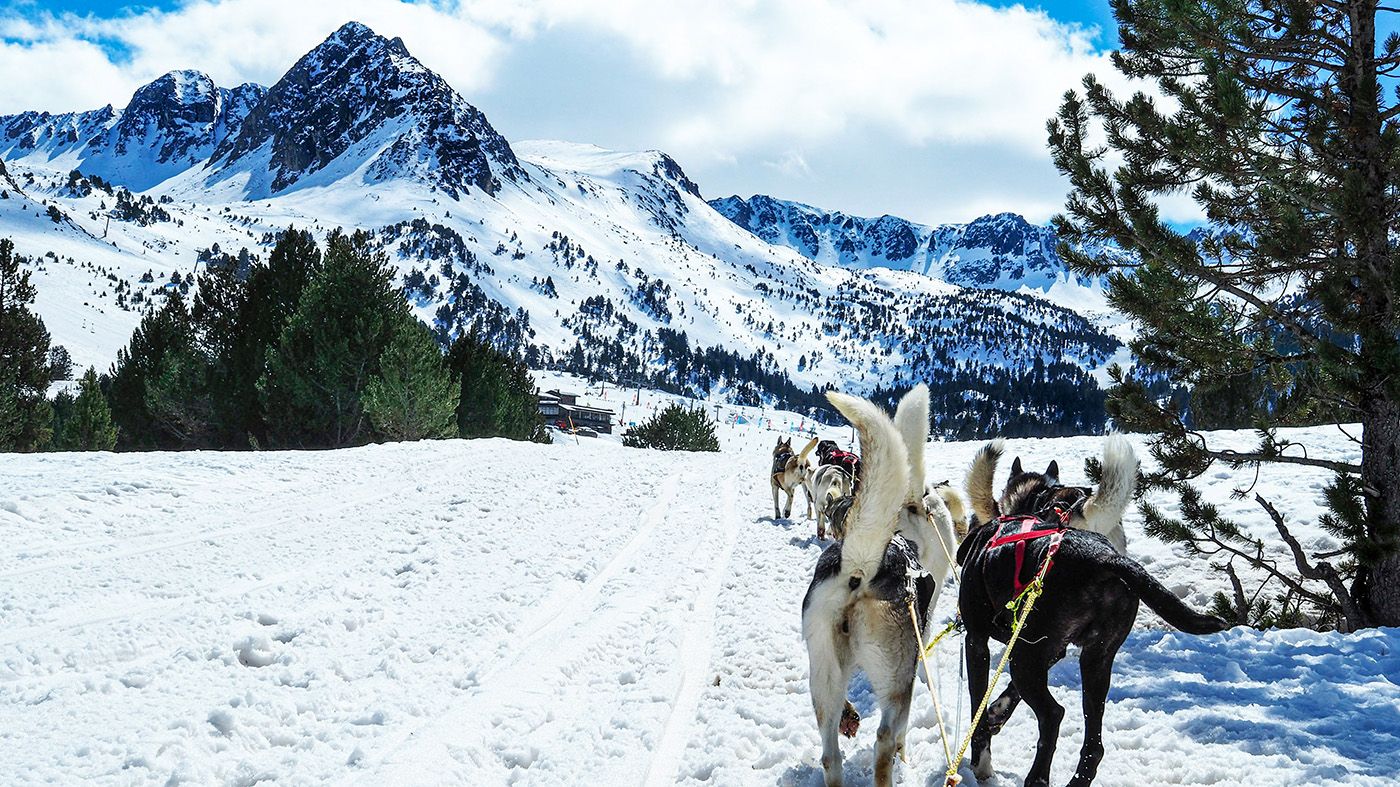
At a glance, Siberian Huskies and Alaskan Malamutes can be easy to mix up. Both are striking, wolf like sled dogs built for harsh winters. But when you look more closely, their body type and working style are designed for very different jobs.
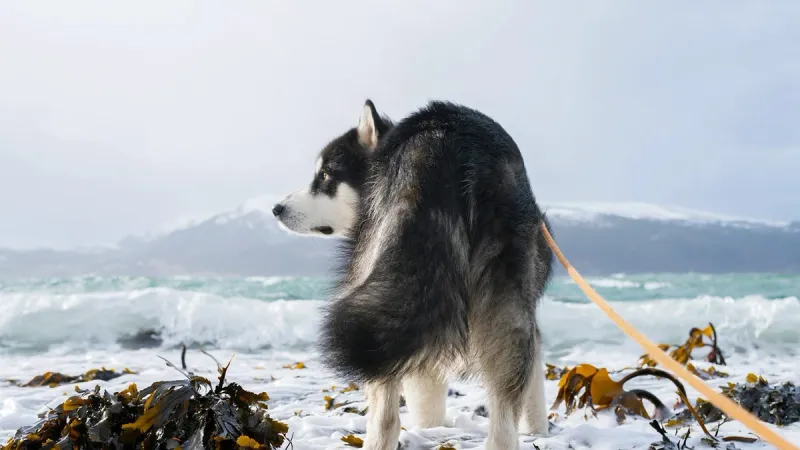
Siberian Huskies are typically lighter, often around 20–27 kg, with a lean, athletic frame. Their long, relatively fine legs and streamlined build are made for efficiency and speed over long distances. This is the classic endurance racer of the sled dog world, bred to cover many miles with minimal wasted energy.
Alaskan Malamutes, by contrast, are much heavier, commonly 35–45 kg, with a broad chest, heavy bone, and a solid, substantial outline. Their muscular bodies are built to haul serious weight at a steady pace. Rather than racing, Malamutes historically excelled at pulling heavy loads through deep snow and difficult terrain.
In other words, Huskies are optimized for speed and distance, while Malamutes are optimized for raw pulling power. Both are true sled dogs, but their roles in traditional Arctic life shaped the way they look and move today.
Outgoing Husky And Thoughtful Malamute
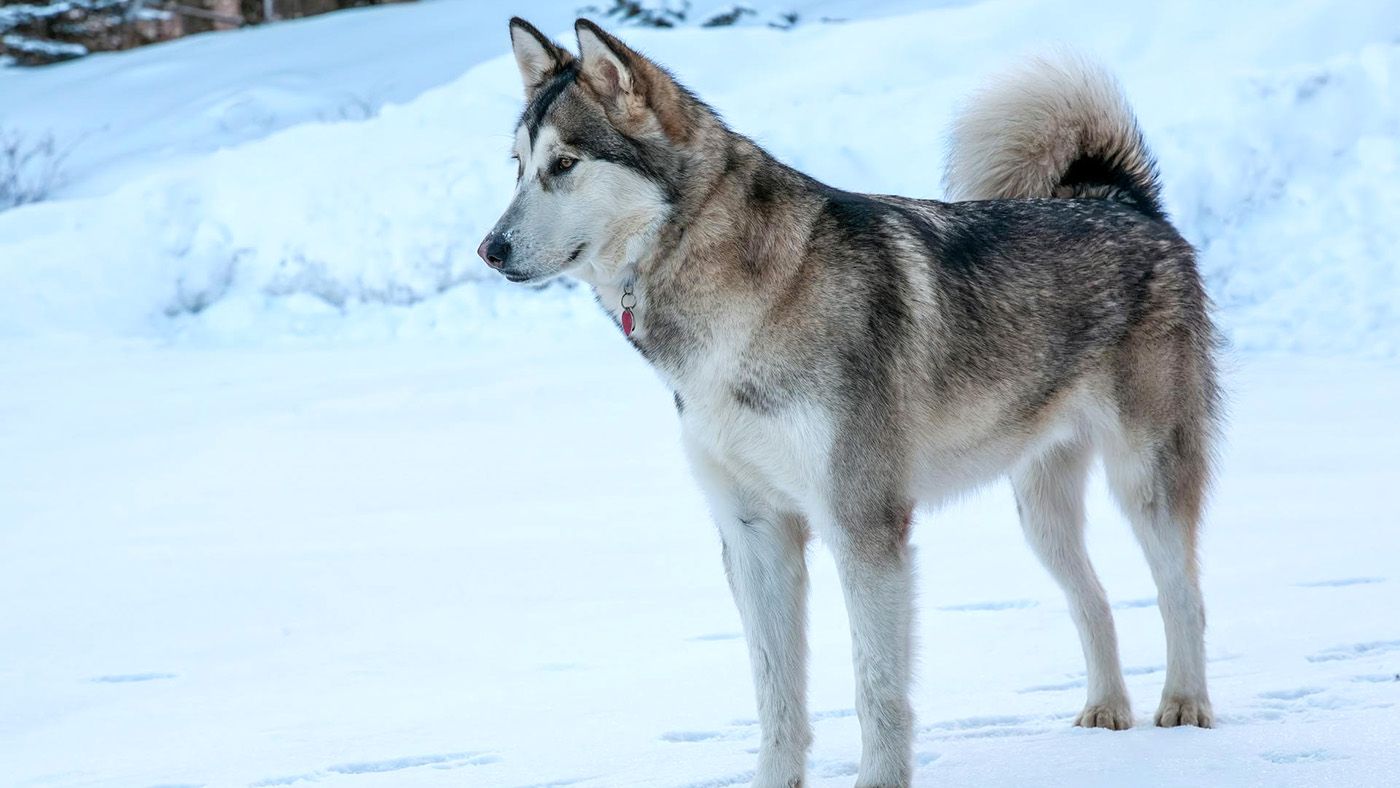
Temperament is another area where these breeds often surprise new Pet Parents. Siberian Huskies are widely known for being bright, social, and people oriented. Many Huskies greet new humans and animals with curiosity rather than suspicion, and they tend to have a playful, sometimes clownish side that keeps households entertained.
Because of this easygoing nature, Huskies are usually not ideal as traditional guard dogs. Their low natural suspicion and high sociability mean they are more likely to welcome a stranger than to warn you about one. For families who want a friendly companion first and foremost, this can be a plus.
Alaskan Malamutes, on the other hand, are often calmer and more deliberate in how they interact with the world. They form deep bonds with their family and can be intensely loyal. Many Malamutes show a stronger sense of watchfulness and may be more reserved or cautious with unfamiliar people or situations.
Despite these differences, both breeds share an important trait: they have a strong sense of pack and hierarchy. This means that successful training usually depends on consistency, patience, and a trusting relationship with their Pet Guardian. Clear boundaries, positive reinforcement, and daily mental and physical outlets are essential for both Huskies and Malamutes.
Howling, Talking, And Barking Styles
Siberian Huskies are famous for their wolf like howls, but that is only part of the story. Many Huskies are actually more inclined to “talk” than to bark, producing a wide range of vocalizations such as wooing, warbling, and drawn out “conversations” with their humans.
Because they tend to vocalize in this more conversational way rather than with sharp, repetitive barking, many Pet Parents find that Huskies can be relatively low on nuisance barking. For those living in apartments or shared housing, this can be an important consideration, although every individual dog is different.
Alaskan Malamutes are also generally quiet in day to day life. However, their stronger guarding instinct means they may be more likely than Huskies to bark or vocalize in situations they perceive as genuinely concerning. In that sense, Malamutes can be described as dogs that bark when they believe there is a reason to do so, rather than barking constantly.
Different Histories In Russia And Alaska
The Siberian Husky’s story begins with the Chukchi people of northeastern Russia. For generations, these dogs were carefully bred to help families travel long distances, transport supplies, and survive in extreme Arctic conditions. Their ability to run efficiently for hours in subzero temperatures is no accident; it is the result of centuries of selective breeding for endurance and cooperation.
Huskies were introduced to North America in the early 20th century, where they quickly became stars in sled dog racing and polar expeditions. Their performance in historic events, such as long distance relay runs to deliver vital medicine, helped cement their reputation as elite endurance sled dogs.
Alaskan Malamutes developed on the other side of the Arctic, alongside the Indigenous Malamute people of Alaska. Instead of being bred primarily for speed, these dogs were valued for their strength and reliability when hauling heavy loads with relatively few dogs in the team. In remote, icy environments, a small number of powerful, dependable dogs could mean the difference between success and failure on a journey.
Over time, Huskies and Malamutes evolved to meet different working needs in similar climates. Their shared northern heritage explains their visual similarities, but their distinct histories help explain why one is built like a distance runner and the other like a weightlifter.
Greenland Dog One Of The Oldest Arctic Working Breeds
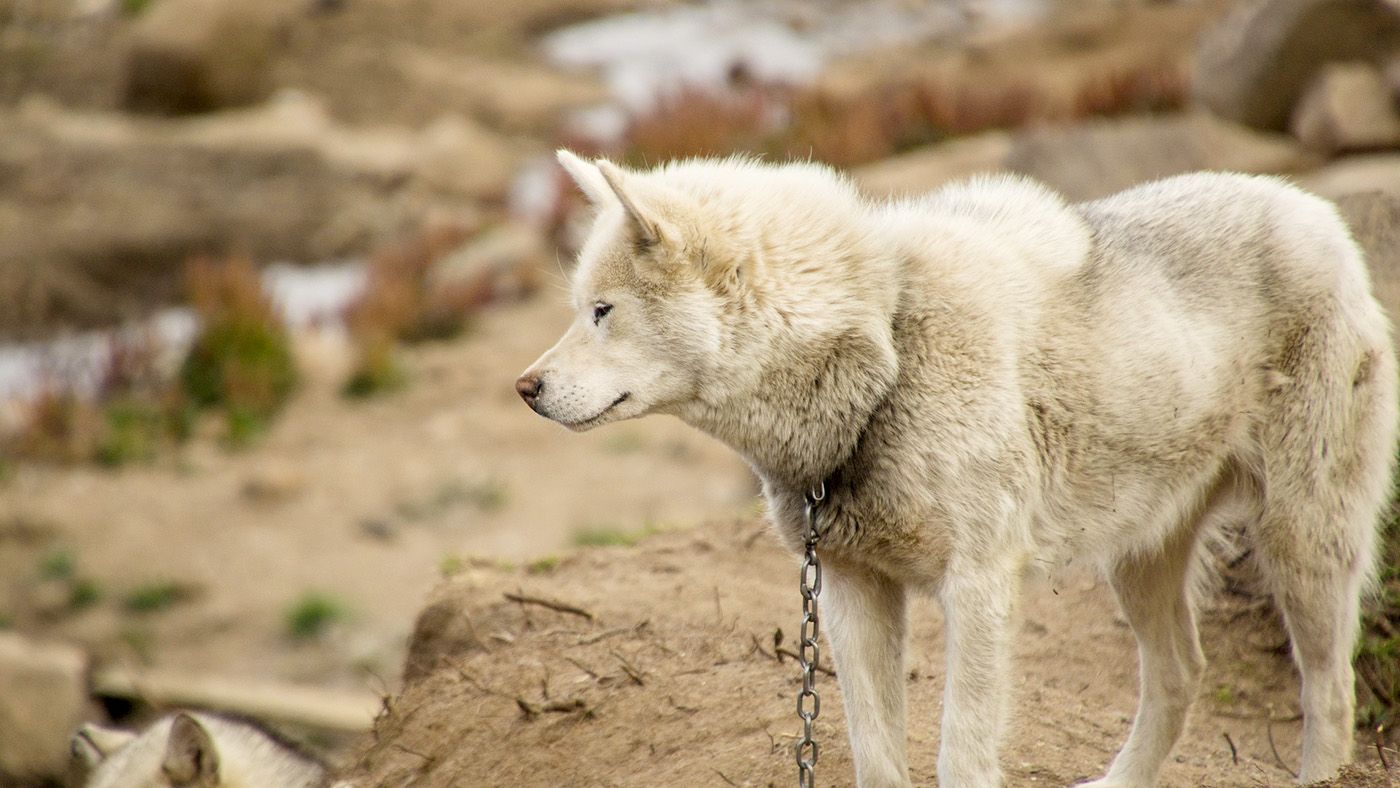
When discussing sled dogs, it is also worth mentioning the Greenland Dog, a powerful Arctic breed that shares roots with other northern working dogs. According to Guinness World Records, the Greenland Dog is recognized as one of the oldest known dog breeds still in existence.
Loading...
For centuries, Greenland Dogs have worked alongside Inuit communities across the Arctic, pulling sleds, assisting with hunting, and surviving in some of the harshest conditions on earth. Unlike many modern breeds that have been heavily refined for appearance, the Greenland Dog is often described as relatively unchanged and more primitive in type, retaining many of the physical and behavioral traits of early sled dogs.
Like Huskies and Malamutes, Greenland Dogs belong to the broader Spitz family, characterized by thick double coats, curled tails, and wedge shaped heads. However, their long history as a primarily functional, working breed means they offer a valuable glimpse into the roots of sled dog culture.
For Pet Guardians interested in the heritage of northern breeds, understanding the Greenland Dog’s role provides helpful context for how modern sled dogs developed and why they behave the way they do.
Seeing Your Northern Breed With New Eyes
Siberian Huskies and Alaskan Malamutes may share a similar silhouette, but their size, temperament, and traditional jobs tell two very different stories. The Husky, lighter and built for speed, grew alongside the Chukchi people as an endurance partner over vast snowy distances. The Malamute, heavier and calmer, was shaped by the demands of hauling serious loads through the rugged landscapes of Alaska.
By exploring these histories and the Greenland Dog’s ancient roots, Pet Parents can better understand why these breeds look and act the way they do today. When you recognize the working heritage behind your dog’s energy, independence, or strength, it becomes easier to provide the exercise, training, and lifestyle they truly need.
Whether you share your life with a Husky, a Malamute, a Greenland Dog, or are simply fascinated by northern breeds, consider this an invitation to keep learning. The more you discover about their origins and instincts, the better equipped you are to build a lifetime of trust, respect, and adventure together.
- 03.20.2026
- 06.08.2025