Danish Swedish Farmdog Guide for 2025 Pet Parents Who Love Smart, Active Breeds
This article is an English translation of the original Japanese article. Read the original Japanese version.
Recognized by the American Kennel Club in 2025, the Danish Swedish Farmdog is a small, athletic working breed with a big heart and a rich Scandinavian history. Discover whether this cheerful, energetic farm companion is the right match for your lifestyle.
Key takeaways
Q. What kind of size and appearance does the Danish–Swedish Farmdog have?
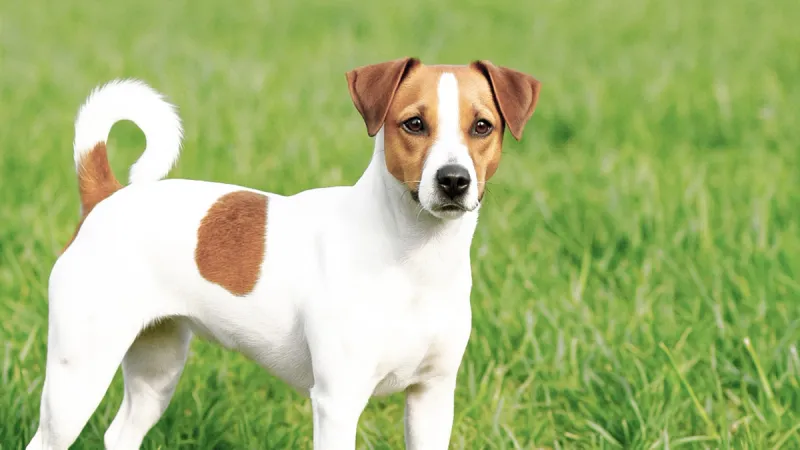
It is a small dog, about 30–39 cm tall and 5.5–7 kg, with a muscular body, short coat, and mainly white fur with brown or black patches.
Q. What is the temperament of the Danish–Swedish Farmdog and what should owners keep in mind?
It is cheerful, friendly, and family-oriented, loving exercise and mental stimulation. Daily walks, play, and training are important.
Q. What is the history of this breed and why was it newly recognized by the AKC?
It worked for centuries as a Nordic farm dog, nearly went extinct, was preserved through joint efforts, and was officially registered as the AKC’s 202nd breed in 2025.
In 2025, the American Kennel Club (AKC) officially welcomed a new breed into its registry. That breed is the Danish Swedish Farmdog, a compact working dog with deep roots in Scandinavian farm life.
Although the name may sound unfamiliar to many pet parents outside Northern Europe, this is a historic, multi‑purpose farm companion that has been valued for centuries.
A New AKC Breed With a Long History
The American Kennel Club is one of the most influential canine organizations in the world, dedicated to preserving purebred dogs and promoting responsible breeding and ownership. New breeds are not added casually. Each recognition follows years of documentation, evaluation, and careful review of a breed’s history, health, and consistency.
In January 2025, the Danish Swedish Farmdog was officially registered as the AKC’s 202nd breed. This was the first new addition since the Lancashire Heeler, which gained recognition in January 2024.
With this recognition, the Danish Swedish Farmdog is now eligible to compete in the Working Group at AKC events. That means these small but capable dogs can stand alongside well‑known working breeds in conformation shows and performance sports, showcasing the versatility they developed on Scandinavian farms.
Meet the Danish Swedish Farmdog
At first glance, “Danish Swedish Farmdog” may sound like a long and complicated name. In everyday life, though, this is a friendly, approachable, and easy‑to‑live‑with companion for the right household.
Size and Appearance
The Danish Swedish Farmdog is a small, athletic breed. Adult height typically ranges from about 30 to 39 cm (12 to 15 inches) at the shoulder, with an average weight of around 5.5 to 7 kg (12 to 15 pounds). This places them firmly in the small‑breed category, but they are sturdier and more muscular than many toy dogs.
Their body is compact and well‑muscled, built for agility and endurance rather than sheer speed. The coat is short, smooth, and glossy, making basic grooming relatively straightforward. Most dogs are predominantly white with distinct brown or black patches, sometimes in a classic “farm dog” pattern that gives them a bright, alert expression.
Tail length can vary naturally within the breed. You may see individuals with a full long tail, a half bobtail, or a naturally short bobtail. This natural variation is one of the breed’s visual charms and does not typically affect their ability to work or play.
Personality and Temperament
Danish Swedish Farmdogs are known for their cheerful, people‑oriented nature. They tend to be affectionate with their families and often form strong bonds with their pet guardians. Many are described as energetic, curious, and eager to be involved in whatever their humans are doing.
Because of this, they usually thrive in homes where they can participate in daily activities rather than being left on their own for long stretches. With appropriate socialization, they are often friendly toward visitors, other dogs, and even other household pets. Many do well with children who are taught to interact respectfully, making them a good fit for active family homes.
At the same time, it is important to remember their original purpose. As their name suggests, this is a true farm dog, bred to work. Historically, they were expected to stay busy—chasing rodents, alerting to strangers, assisting with light herding tasks, and accompanying people around the property.
Modern Danish Swedish Farmdogs usually retain that drive. They enjoy having a job to do, whether that is learning new tricks, participating in dog sports, or simply joining their pet parents on long walks and outdoor adventures. Without enough physical and mental activity, they may become bored, which can lead to unwanted behaviors.
From Near Extinction to International Recognition
Despite being a “new” AKC breed, the Danish Swedish Farmdog is far from a newly invented dog. Historical records and regional accounts suggest that similar small farm dogs have lived in southern Scandinavia for several hundred years.
In the past, they were sometimes called Danish Pinscher or Scanian Terrier, reflecting their origins in the Skåne (Scania) region, which spans parts of southern Sweden and historically close ties with Denmark. On traditional farms, these dogs were valued for their versatility, taking on roles such as:
- Rodent control, keeping barns and grain stores free of rats and mice
- Watchdog duties, barking to alert families to strangers or unusual activity
- Hunting assistance, helping track or flush small game
- Light herding support, moving smaller livestock when needed
As agriculture modernized in the late 19th century, many traditional farm roles changed or disappeared. With fewer small, mixed‑purpose farms, the demand for these all‑round farm dogs declined sharply. Numbers dropped so low that the breed came close to disappearing altogether.
What saved the Danish Swedish Farmdog was a coordinated conservation effort. In the 1980s, the kennel clubs of Denmark and Sweden launched a joint project to identify remaining dogs of the traditional type and rebuild the population.
By 1987, the breed was formally recognized in both Denmark and Sweden. Just two years later, in 1989, the Danish Swedish Farmdog appeared at major international dog shows, drawing attention from enthusiasts around the world. Over time, interest spread to other regions, including North America, eventually paving the way for AKC recognition.
Names You Might See in Japanese and Other Languages
In Japanese, this breed is sometimes written as “Dansuku Suvensuku Gōrufundo”, a phonetic rendering of the original Danish and Swedish name. This version appears in some reference materials, including Japanese‑language encyclopedias and online resources.
However, in international dog‑breed registries and in AKC documentation, the standardized English name is Danish Swedish Farmdog. As global awareness of the breed grows, experts expect that this English name will become the primary reference term in many languages, including Japanese.
For pet parents researching the breed, it can be helpful to know that these different names all refer to the same dog. When in doubt, look for the official English name used by major kennel clubs.
Living With a Danish Swedish Farmdog
The Danish Swedish Farmdog can be a rewarding companion for active households, but like any working‑type breed, they have specific needs. Understanding these needs in advance helps pet guardians provide an environment where the dog can truly thrive.
Exercise and Activity Needs
Despite their small size, Danish Swedish Farmdogs are highly athletic and energetic. Experts recommend providing daily, structured exercise, not just brief bathroom walks.
Many individuals enjoy:
- Brisk walks or hikes
- Fetch and ball games
- Agility or other dog sports
- Nose work or scent games
Because they are intelligent and quick learners, they often excel in activities that combine physical movement with problem‑solving. Regular exercise not only supports joint and heart health but also helps prevent boredom‑related behaviors such as excessive barking or destructive chewing.
Mental Stimulation and Training
This breed tends to be bright, responsive, and motivated by praise and interaction. They usually enjoy training sessions, especially when methods are positive and reward‑based.
Consider incorporating:
- Short daily training sessions to practice cues and tricks
- Puzzle feeders or food‑dispensing toys
- Scent games that encourage them to use their nose
Because they were bred to work closely with humans, Danish Swedish Farmdogs often respond well to clear, consistent communication. Positive reinforcement training—using treats, toys, or verbal praise—helps build trust and strengthens the bond between dog and guardian.
Grooming and Basic Care
One advantage for busy pet parents is that the Danish Swedish Farmdog’s short coat is relatively low maintenance. Most dogs do well with:
- Brushing once or twice a week to remove loose hair and distribute skin oils
- Bathing about once a month, or as needed, depending on activity level and environment
As with any breed, regular nail trimming, ear checks, and dental care are important parts of a complete wellness routine. Your veterinarian can help you tailor a preventive care plan based on your dog’s age, activity level, and overall health.
A Small Working Dog With a Big Future
The Danish Swedish Farmdog is a compact working breed that blends charm, intelligence, and resilience. Historically, these dogs played a vital role as “farm partners,” managing pests, sounding the alarm, and staying close to the people they trusted.
Today, that same combination of toughness, loyalty, and adaptability makes them well suited to active modern homes that can offer plenty of interaction, exercise, and mental challenges.
As AKC recognition increases their visibility, you may start seeing the Danish Swedish Farmdog more often in media, at dog shows, or through reputable breeders and rescue organizations. If this breed has caught your interest, take time to learn about their history, talk with experienced guardians, and meet well‑socialized individuals in person.
By understanding where this little farm dog comes from and what it was bred to do, you will be better prepared to decide whether the Danish Swedish Farmdog is the right partner for your own journey with dogs—and, if it is, to build a lifetime of trust and shared adventure together.
- 03.20.2026
- 06.24.2025