Trending Spa-Style Grooming Add‑Ons Your Dog Will Love
This article is an English translation of the original Japanese article. Read the original Japanese version.
From microbubbles to herbal packs, today’s grooming salons offer far more than a basic bath and trim. Discover what these popular spa-style options actually do, and how to choose the treatments that best support your dog’s skin, coat, and overall comfort.
Key takeaways
Q. Which options are suitable for dogs with skin troubles or skin diseases?
Microbubbles, ozone nano bubbles, spa baths, and Ayurvedic herb packs are described as effective for skin diseases and skin troubles.
Q. Which bathing option is safer for senior dogs or dogs with heart concerns?
Carbonated spring baths warm sufficiently even at low temperatures, are said to put less strain on the heart, and are introduced as safe for senior dogs.
Q. Which options are good for making the coat fluffy or more voluminous?
Aroma whip baths, silk foam packs, and glossy shampoo/treatments are described as making the coat fluffy and voluminous.
Modern grooming salons offer an impressive menu of spa-style add‑on services, and it can be hard to know which ones are truly worth it for your dog. Below, you’ll find a clear guide to the most common options, how they work, and which dogs may benefit most.
Microbubble Baths
Microbubble baths use extremely fine bubbles, often just a few micrometers in diameter, to cleanse the coat and skin more deeply than a standard bath. These tiny bubbles can reach into hair follicles and around each individual hair shaft, helping to lift away stubborn dirt, excess sebum, and debris that regular shampooing may miss.
When used as a warm soak, microbubble baths can also support circulation and help dogs relax, similar to how a gentle spa bath feels for humans. Pet parents often notice that dogs come out feeling warm, loose, and comfortable from the inside out. In addition, the deep-cleansing and mild antibacterial effects may be helpful for dogs prone to certain skin issues, when used alongside veterinary care.
Ozone Nano Bubble Baths
Nano bubbles are even smaller than microbubbles, allowing them to penetrate and break down excess oils and grime on the skin and coat with remarkable efficiency. When combined with ozone, these baths add a powerful sanitizing effect that can help reduce surface bacteria and yeast on the skin.
Some salons also use ozonated water for gentle tooth cleaning as an add‑on oral care service, aiming to reduce odor‑causing bacteria in the mouth. As with microbubble baths, a warm ozone nano bubble soak can promote circulation and relaxation, making it a popular choice for dogs that enjoy a spa‑like experience.
Carbonated Spa Baths
Carbonated or “sparkling” spa baths have become increasingly popular for both humans and dogs. Salons may use tablets, powders, or specialized equipment to dissolve carbon dioxide into warm bathwater, creating a fine effervescent effect on the skin.
The carbonated water lightly stimulates the skin and coat, which can help support healthy blood flow and encourage more efficient removal of metabolic waste products from the tissues. Because these baths are effective even at slightly lower temperatures, they can be easier on the heart and more comfortable for senior dogs or those that are sensitive to heat. Many pet guardians report that their dogs seem refreshed after the bath, with coats that feel especially soft, fluffy, and smooth.
Mineral Hot Spring Style Baths
Hot spring style baths use bath additives that contain natural mineral components inspired by traditional onsen. While each product and salon may use different mineral blends, these soaks are generally designed to support skin health and coat condition.
Pet parents often choose these baths for dogs dealing with dryness, flakiness, mild itchiness, dull coat, odor, or frequent paw licking. The minerals can help loosen surface debris and support the skin’s natural barrier. Because specific benefits vary by formula, it is wise to ask your groomer which ingredients are used and what skin or coat concerns they are best suited for.
Rose Baths
Rose baths are typically used before shampooing. Your dog soaks for about ten minutes in a warm bath infused with rose‑based ingredients, which help lift away surface grime, excess sebum, and odor‑causing bacteria from the skin and coat.
After rinsing and completing the regular grooming process, dogs are left with a subtle rose fragrance that many pet guardians find soothing and luxurious. The gentle scent and warm soak can also help some dogs relax, turning bath time into more of a pampering ritual than a chore.
Aromatherapy Whipped Baths
Aromatherapy whipped baths surround your dog in a cloud of soft, scented foam—often featuring calming essential oils such as lavender. The rich foam allows groomers to cleanse and soak the coat at the same time, creating a spa‑like experience that many dogs find pleasant.
Some formulas include tea tree or other plant extracts with mild antimicrobial properties, supporting a cleaner, fresher coat. These baths often provide conditioning benefits as well, helping to reduce tangles and leave the coat looking fuller and more voluminous. For long‑haired breeds or dogs prone to matting, this can make brushing at home easier and more comfortable.
Ayurvedic Herbal Packs
Ayurvedic herbal packs, now offered by many salons, use blends of natural herbs inspired by traditional Ayurvedic care. These herbal pastes are applied to the coat and skin as a mask, then left on for a set time before being rinsed thoroughly.
The goal is to support a healthy, glossy coat while helping to manage odor, greasiness, and dryness. Many herbal blends are chosen for their soothing, moisturizing, and balancing properties, which can be especially appealing for dogs with sensitive or easily irritated skin. Some veterinarians even incorporate similar herbal packs into medical skin‑care routines under clinical supervision.
Another potential benefit is a mild insect‑repellent effect from certain herbs, which may help make dogs less attractive to biting pests when used alongside standard parasite prevention. Because these treatments take longer to apply and process, they are often priced higher than other add‑ons.
Mud Clay Packs
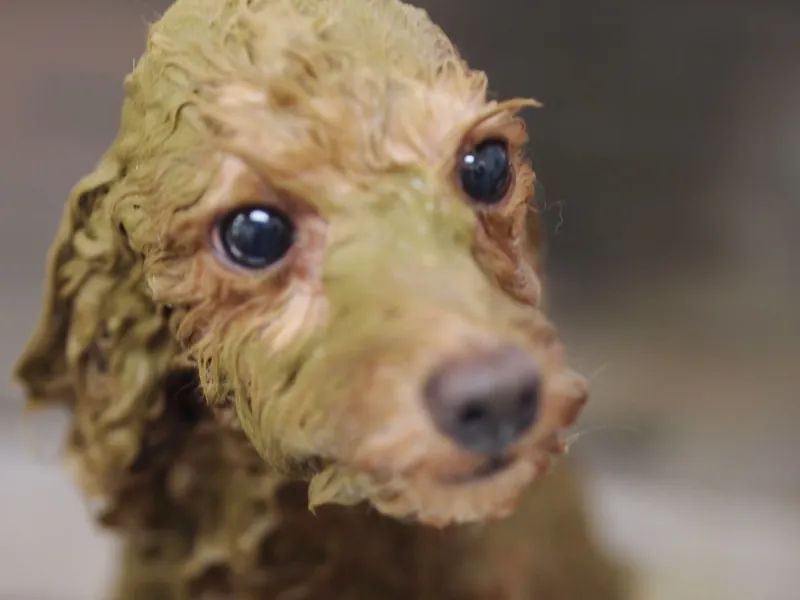
Mud or clay packs use mineral‑rich clays applied directly to the coat and skin. As the pack sits, the clay helps draw out impurities, excess oil, and deeply embedded debris from the pores and hair follicles.
At the same time, the minerals in the clay can be absorbed through the skin’s surface, supporting hydration, elasticity, and a healthier skin barrier. Many pet guardians notice that mud packs help reduce doggy odor while leaving the skin feeling supple and the coat more manageable. Some salons also incorporate clay‑based shampoos or conditioners to extend these benefits throughout the grooming session.
Silky Foam Silk Packs
Silk foam packs are made from natural silk extract, which is rich in amino acids that help nourish both skin and coat. Groomers whip this extract into a dense, creamy foam and apply it all over the dog’s body as a luxurious mask.
As the silk foam sits on the coat, it can help moisturize, protect, and support the repair of the skin and hair shaft, while also offering some defense against environmental stressors such as UV exposure. After rinsing and drying, many dogs emerge with coats that feel exceptionally fluffy, full, and shiny, often restoring the natural luster that may have been dulled by everyday wear and tear.
Glossy Moisture Shampoos and Conditioners
Some salons offer premium shampoo and conditioner systems designed to deliver a “salon‑quality” finish. These products often center around amino acids and include a blend of structural proteins such as keratin, silk, and collagen to penetrate and support the hair from within.
For dogs with fine, soft coats, these formulas can add body and resilience. For dogs with coarse, dry, or brittle coats, they help rebalance moisture and oil, leaving the coat smoother and more uniform. Because these products are used in place of standard shampoo and conditioner, they typically do not add extra time to the grooming appointment while still providing a more luxurious level of care.
Choosing the Right Spa Options for Your Dog
With so many enticing grooming add‑ons available, it is important to focus on what will genuinely benefit your individual dog. Consider your dog’s age, skin and coat condition, temperament, and any veterinary recommendations when selecting treatments.
If your dog has ongoing skin problems, allergies, or is on medication, consult your veterinarian before trying new spa services, especially those involving active ingredients or herbal blends. Then, talk with your groomer about your goals—whether that is reducing odor, soothing sensitive skin, adding volume to the coat, or simply giving your dog a relaxing spa day.
By choosing thoughtfully and observing how your dog responds, you can build a grooming routine that not only keeps them clean and stylish but also supports their comfort and well‑being over the long term.
- 03.21.2026
- 04.19.2017