How To Protect Your Pet From Fireworks Noise This Summer

This article is an English translation of the original Japanese article. Read the original Japanese version.
Fireworks are a summer highlight for humans, but for many pets they can feel like a life‑threatening emergency. Learn how to recognize stress signals and create a calm, protected space so your dog, cat, or small animal can stay safe and relaxed on fireworks nights.
As summer fireworks season approaches, many pet parents look forward to the colorful night sky but forget how overwhelming those sights and sounds can be for animals. With a bit of planning, you can turn a potentially frightening night into a safer, calmer experience for your pet.
How Fireworks Affect Pets
For humans, fireworks are loud but usually manageable. For pets, they can be intensely stressful and even terrifying. Dogs, cats, and many small animals have far more sensitive hearing than we do, and they often perceive sudden explosions, flashes of light, and ground vibrations as a serious threat.
Research and clinical experience suggest that some animals interpret these sensations as a life‑or‑death level danger, not just a mild annoyance. That is why even a single fireworks event can leave a lasting emotional imprint on a vulnerable pet.
Stress Signals You Should Never Ignore
Fireworks reactions vary widely depending on the species and the individual animal, but there are common patterns that pet guardians can watch for.
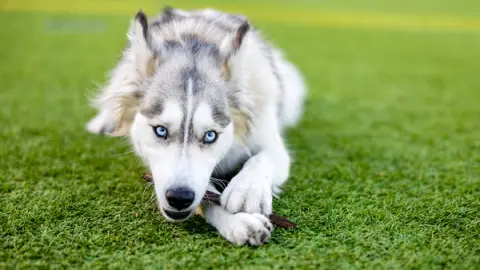
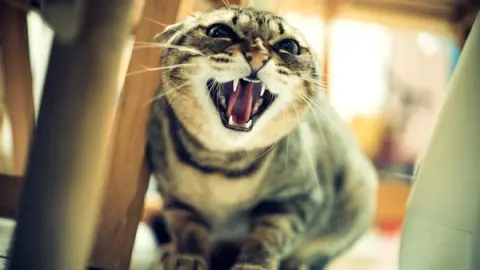
Dogs may bark excessively, whine, pace, tremble, drool, or try to escape. Some dogs run in circles, scratch at doors, or attempt to bolt through windows or fences in a panic.
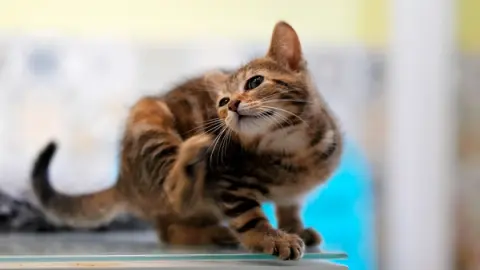
Cats often choose the opposite strategy. They may disappear into closets, hide under beds or furniture, or wedge themselves into very small spaces. A frightened cat may become unusually withdrawn, refuse to play, or avoid contact even with trusted family members.
Small animals such as rabbits, guinea pigs, hamsters, and birds may freeze and stay unnaturally still, hide and refuse to come out, or show a noticeable drop in appetite and activity. In prey species, this kind of shutdown response can be a sign of significant distress.
These are not behaviors to dismiss as "just being dramatic." If stress signs are ignored, panic can escalate, increasing the risk of injury, digestive upset, or longer‑term anxiety around loud sounds.
Home Strategies To Reduce Fireworks Noise
If fireworks are scheduled near your home, the most effective first step is to create a quiet, protected space where your pet can feel as safe as possible. Experts recommend starting preparations well before the first fireworks are expected.
Close all windows and doors to reduce noise and vibration. Draw thick curtains or blinds to block sudden flashes of light. If you do not have heavy curtains, hanging blankets or using portable partitions can help soften both sound and light.
Whenever possible, move your pet to an interior room near the center of your home, away from exterior walls and windows. Bathrooms, walk‑in closets, or interior hallways often work well as temporary safe rooms.
Use Background Sound To Mask Booms
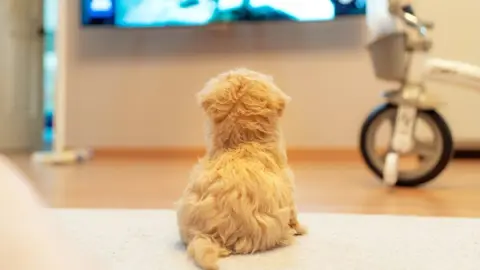
Many behavior specialists recommend using steady background sound to make fireworks less prominent. Turning on the TV, playing music, or using a white‑noise machine can help blur sudden bangs into a more constant soundscape.
Choose audio that is calm and predictable rather than jarring. Gentle music, nature sounds, or low‑volume talk shows can be soothing for some pets. The goal is not to be louder than the fireworks, but to soften the contrast so each boom feels less shocking.
Your Calm Presence Matters More Than You Think
Pets are remarkably attuned to their guardians’ emotional state. If you seem tense, jump at every sound, or fuss excessively over them, your pet may interpret that as confirmation that something is very wrong.
Instead, interact with your pet in a calm, normal, and reassuring way. Speak in your usual voice, offer gentle touch if they seek it, and stay nearby without forcing contact. For many animals, simply having their trusted person close by and composed is one of the strongest sources of comfort.
If your pet chooses to hide in a safe spot, allow them that choice while still monitoring them. You can quietly place a familiar bed, blanket, or favorite toy nearby to reinforce a sense of security.
If You Need To Go Out During Fireworks
Sometimes, pet parents cannot be home during a fireworks display. In that case, it is generally safer for your pet to stay in a secure, prepared space at home than to accompany you to a noisy, crowded event.
Before you leave, set up their safe room using the steps above: close windows, block light, provide comfortable bedding, and turn on gentle background sound. Make sure your pet has access to fresh water and, for longer outings, a safe place to eliminate if needed.
If you are especially concerned about how your pet copes when alone, consider arranging support in advance. Hiring a trusted pet sitter or asking a knowledgeable friend or family member to stay with your pet can provide extra reassurance and real‑time monitoring.
Some fireworks festivals advertise pet‑friendly areas, but experts generally advise caution. Even if pets are technically allowed, the combination of intense noise, vibrations, crowds, and unfamiliar smells can be overwhelming. For most animals, staying home in a controlled environment is the kinder and safer option.
Turning Fireworks Night Into a Safer Experience
Fireworks nights do not have to be "the scariest day of the year" for your pet. With thoughtful preparation and a clear plan, you can transform a potentially traumatic event into a more manageable, even peaceful, evening.
Remember that while a fireworks show may last only an hour or two, the emotional impact on a sensitive animal can linger much longer. That is why the way you support your pet during that single night can make a meaningful difference in their long‑term comfort around loud sounds.
By staying informed, planning ahead, and responding calmly to your pet’s needs, you are actively building their trust in you as a reliable source of safety. With each fireworks season, those small, consistent efforts can help your companion feel more secure and truly enjoy the quieter joys of summer nights.
Your Ongoing Commitment To Calm And Safety
Supporting your pet through fireworks is not just about one event; it is part of a lifelong commitment to understanding their fears and protecting their well‑being. If your pet shows severe or worsening anxiety, consult your veterinarian or a qualified behavior professional about additional tools, such as behavior modification plans or appropriate calming aids.
Every pet deserves to feel safe in their own home. With your care, planning, and patience, your companion can face even the loudest summer skies with far more comfort and confidence.
- 03.02.2026
- 05.06.2025