Should You Give Your Cat a Summer Cut? Safe Grooming Tips For Hot Weather

This article is an English translation of the original Japanese article. Read the original Japanese version.
Thinking about a summer cut for your cat as temperatures rise? Before you reach for the clippers, learn when trimming can help, when it can harm, and how to keep your feline family member cool and comfortable without risking their skin or coat health.
Do Cats Ever Need Grooming Or Haircuts?
Cats are famous for being fastidious self-groomers, but that does not mean professional grooming is never necessary. In some situations, especially for longhaired breeds, targeted trimming and coat care can make a big difference to comfort and skin health.
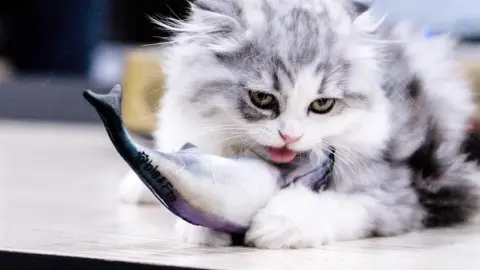
Breeds such as Persians, Maine Coons, Ragdolls, and Norwegian Forest Cats have very dense coats. If their fur is not brushed regularly, tight mats can form and pull on the skin, causing pain, redness, and even small wounds. In these cases, carefully removing mats or lightly trimming problem areas is often kinder than leaving the coat as it is.
Older cats and cats with obesity are also at higher risk. They may struggle to reach their back, belly, or rear end for normal grooming. For these cats, a small sanitary trim around the rear and lower belly can support good hygiene and reduce the risk of urine or feces sticking to the fur.
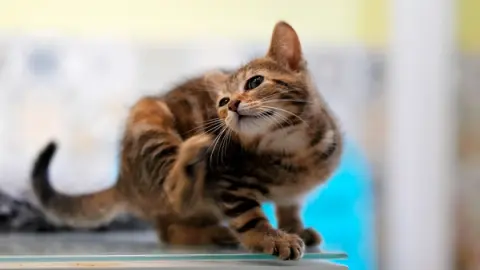
By contrast, healthy shorthaired cats usually manage their own coats very well. They rarely need full grooming sessions or haircuts, although extra brushing during shedding seasons can help control loose hair and hairballs.
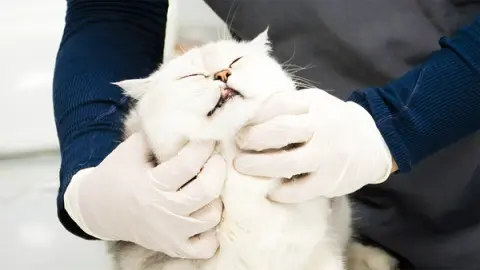
Whenever you consider grooming, remember that cats are generally more sensitive to unfamiliar places, sounds, and people than dogs. Many become highly stressed at grooming salons. If trimming is truly necessary, pet parents should seek out a groomer or veterinary clinic experienced with cats, and avoid any procedures that require excessive restraint or cause obvious distress.
The Hidden Risks Of Summer Cuts For Cats
Summer cuts are common for dogs, but they are not automatically safe or appropriate for cats. A cat’s coat is more than just decoration. It is a finely tuned system that helps regulate body temperature, protect the skin, and shield the body from environmental stress.
Most cats have both an undercoat and an outer coat. Working together, these layers help with temperature control, block some ultraviolet rays, and provide a physical barrier against minor injuries and irritants. When the fur is shaved too short, this natural protection is stripped away.
Veterinary reports and clinical experience suggest that overly aggressive shaving can sometimes damage hair follicles, leading to very slow regrowth, patchy coats, or in rare cases, hair that never fully returns. This risk appears higher in senior cats or cats whose overall health and vitality are already reduced.
There is also the issue of direct exposure. When a cat’s skin is suddenly uncovered, sunlight, UV radiation, and even cold air from air conditioners hit the skin directly. This can increase the risk of sunburn, skin irritation, and temperature stress. Some cats may develop dermatitis or show changes in behavior because they feel too hot, too cold, or simply uncomfortable.
For these reasons, experts generally advise that routine, full-body summer cuts are not a first-line solution for feline heat management. Instead, pet guardians should focus on safer strategies to keep cats cool.
Safer Ways To Help Your Cat Cope With Heat
If you are worried about your cat in hot weather, consider non-invasive options before reaching for the clippers.
Regular brushing is one of the most effective tools you have. By removing loose undercoat and preventing mats, you improve air circulation through the fur and help your cat’s natural cooling system work properly. Many cats also enjoy gentle brushing when it is introduced gradually and paired with treats.
In addition to grooming, support your cat’s comfort with environmental changes:
- Provide multiple cool resting spots, such as tile floors, shaded areas, or cooling mats designed for pets.
- Ensure constant access to fresh water, and consider multiple water stations or a pet fountain to encourage drinking.
- Improve air flow with fans or air conditioning, making sure your cat can move away from direct cold drafts.
If, after these steps, your veterinarian or an experienced feline groomer still recommends trimming, limit any haircut to the minimum necessary areas, such as small sections prone to matting or soiling.
Which Cats May Tolerate Light Summer Trims
Not all cats are the same, and coat type plays a major role in whether a light summer trim might be considered. Among longhaired breeds, some individuals have such dense, heavy coats that they struggle in hot, humid climates.
Cats that may sometimes benefit from carefully reduced coat volume include:
- Persians
- Maine Coons
- Ragdolls
- Norwegian Forest Cats
For these cats, especially in regions with very hot summers, thinning the coat slightly or shortening select areas can make daily life more comfortable. However, experts strongly recommend avoiding full-body, ultra-short shaves. Instead, opt for conservative thinning or a modest trim that leaves a protective layer of fur over the skin.
Any decision to trim should be made in consultation with a veterinarian or a feline-savvy groomer, taking into account the cat’s age, health status, and tolerance for handling.
Cats That Generally Should Not Get Summer Cuts
Conversely, some cats are poor candidates for summer cuts because their coats are already short and their skin can be quite sensitive. For these cats, shaving often creates more problems than it solves.
Breeds that typically fall into this category include:
- American Shorthair
- Russian Blue
- Singapura
- Oriental Shorthair
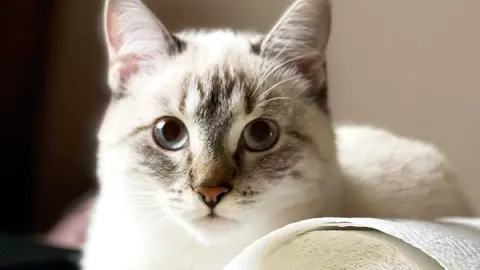
These cats rely on their short, close-lying coats for temperature regulation and basic skin protection. Removing that coat can increase the risk of skin disease, sunburn, and difficulty maintaining a stable body temperature. For them, summer cuts are generally not recommended.
Instead, focus on gentle brushing, weight management, environmental cooling, and regular veterinary checkups to ensure there are no underlying health issues making the heat harder to tolerate.
Choosing The Right Summer Care For Your Cat
Deciding whether to groom or trim your cat in summer is not a one-size-fits-all choice. Breed, age, health, coat quality, and temperament all matter. What is helpful for one longhaired senior cat might be unnecessary or even harmful for a young, healthy shorthaired cat.
As a guiding principle, avoid full-body, very short shaves unless there is a clear medical or welfare reason, such as severe matting that cannot be safely brushed out. When trimming is needed, aim for targeted, minimal cuts that solve a specific problem while preserving as much natural protection as possible.
For most cats, especially in warm seasons, consistent brushing and thoughtful home cooling strategies should be the foundation of care. If you are unsure what is best for your individual cat, schedule a conversation with your veterinarian and, if needed, a groomer who regularly works with cats.
By taking a cautious, informed approach and prioritizing your cat’s long-term skin and coat health, you can help your feline companion stay comfortable through the summer while maintaining the trust and security that come from gentle, respectful handling.
- 03.02.2026
- 05.05.2025