Why Canned Mackerel Is Dangerous For Cats And What To Do Instead
This article is an English translation of the original Japanese article. Read the original Japanese version.
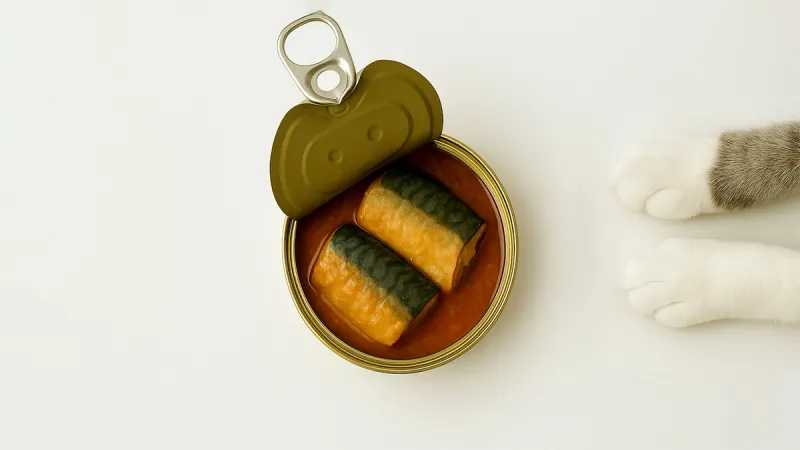
Canned mackerel may seem like an affordable superfood, but for cats it can be a serious health risk. Learn why human canned fish is unsafe for your feline friend, what to do if they sneak a bite, and how to choose safer, cat-approved alternatives.
Key takeaways
Q. Why shouldn't I give human canned mackerel to my cat?
Human canned mackerel is high in salt and seasonings, which can strain kidneys and cause histamine poisoning in cats.
Q. What should I do if my cat accidentally eats canned mackerel?
Check the amount, ingredients, and seasoning, monitor for vomiting or diarrhea, and consult a vet immediately if you notice any abnormal signs.
Q. What should I choose if I want to feed my cat fish-based food?
Choose cat-specific food labeled as a complete diet and check that salt and fat levels are balanced before feeding.
Canned mackerel is tasty, nutrient dense, and budget friendly, so it is easy to understand why many pet parents are tempted to share it with their cats. The rich aroma can turn even the pickiest feline into a determined beggar at the table.
However, experts strongly advise against feeding human canned mackerel to cats. Any time you consider giving a food that is not formulated specifically for cats, it is worth pausing to research it first. A quick check can prevent avoidable health problems later.
In this guide, you will learn why canned mackerel for humans is unsafe for cats, what may happen if your cat eats it by accident, and how to choose safer fish-based options that still feel like a special treat.
What Really Happens When Cats Eat Canned Mackerel
There is nothing inherently wrong with mackerel as a fish. The real concern is mackerel that has been seasoned and processed for human taste buds.
Most canned mackerel products for people contain added salt, various seasonings, and often miso, soy sauce, or other flavorings. These ingredients may be harmless to humans in moderation, but they can place a significant strain on a cat’s body, especially the kidneys and cardiovascular system.
For example, the level of sodium that tastes pleasantly salty to humans is excessive for cats. Over time, or in large amounts, this can contribute to kidney stress and potential kidney damage, particularly in cats that are older or already have underlying kidney disease.
There is another hidden risk as well. Mackerel naturally contains a compound called histamine. When fish is stored for long periods or processed under poor conditions, histamine levels can rise and lead to histamine toxicity. Cats are not efficient at breaking down histamine, so even a relatively small amount can trigger symptoms.
After eating high histamine fish, some cats may develop sudden vomiting, diarrhea, facial or skin itchiness, or restlessness. These signs can appear shortly after the meal and may require prompt veterinary care.
Finally, while mackerel itself contains protein and some beneficial nutrients, it is not a complete or balanced diet for cats. Cats cannot synthesize enough of an essential nutrient called taurine on their own. Human canned mackerel is not formulated with the taurine, vitamins, and minerals cats need, so relying on it regularly can lead to nutritional imbalances over time.
How Human Canned Fish Differs From Cat Food
At a glance, a can of mackerel for humans and a can of fish-based cat food may look similar. In reality, they are designed with very different goals.
Commercial cat foods are carefully formulated to include appropriate levels of taurine, essential vitamins, and key minerals for feline health. These nutrients are balanced to support the heart, eyes, immune system, and overall metabolism of cats.
By contrast, human canned mackerel is not nutritionally calibrated for cats. It may be high in certain nutrients and low in others, and it does not account for a cat’s unique taurine requirement. If fed regularly, this can create long-term nutritional gaps.
The salt and fat content are also very different. As a guideline, a typical adult cat only needs around 0.3 grams of sodium per day. Many canned fish products for humans can easily exceed this amount in a single serving. Repeated exposure to such high sodium levels can contribute to dehydration, increased blood pressure, and kidney strain.
In short, cat food is engineered for feline bodies, while human canned fish is designed for our taste preferences and nutritional needs. Even if the ingredients look simple, the underlying formulation is not interchangeable.
If Your Cat Accidentally Eats Canned Mackerel
If your cat manages to lick or eat some canned mackerel left on the table, try not to panic. A small accidental taste is unlikely to be life threatening in a healthy cat, but it does require careful observation.
Start by calmly assessing the situation:
- How much did your cat eat compared with their body size
- What exactly was in the can, including added salt, miso, soy sauce, or other seasonings
- Whether your cat has any existing health issues, such as kidney disease, heart disease, or food allergies
In many cases, a very small amount in an otherwise healthy cat may not cause obvious problems. However, if your cat has eaten a larger quantity, or the product was heavily seasoned, closer monitoring is important.
Over the next several hours, watch for any of the following warning signs:
- Vomiting or diarrhea
- Rapid or labored breathing, restlessness, or unusual agitation
- Excessive drooling, pawing at the mouth, or intense scratching and itchiness
If you notice any concerning symptoms at all, contact your veterinarian or an emergency clinic immediately. Calling ahead and clearly explaining what your cat ate, how much, and when will help the veterinary team prepare appropriate advice or treatment.
Even if your cat seems normal, it is reasonable to call your regular veterinarian for guidance, especially if your cat is a senior, has chronic health conditions, or has a history of dietary sensitivities.
Safer Fish Options For Cats
From a nutritional standpoint, the safest choice is always food formulated specifically for cats. While some plain, unseasoned human foods can be safe in tiny amounts, there is rarely a strong reason to take that risk when excellent commercial options exist.
Many high quality cat foods now come in fish-based varieties that feel just as indulgent as human canned fish, such as mackerel flavor, tuna and bonito blends, or mixed seafood recipes. These products are designed to be both appealing and nutritionally complete for cats.
When choosing a fish-based product, look for labels that state complete and balanced or complete nutrition for your cat’s life stage. These phrases indicate that the food meets established nutritional standards and can be fed as a primary diet, not just an occasional snack.
It is also wise to limit treats and supplemental foods that are not complete diets. Overusing treats, even cat-specific ones, can disrupt the overall nutrient balance of your cat’s daily intake.
From a broader nutritional perspective, cats are obligate carnivores, and research suggests that meat-based diets are closer to their natural nutritional profile than fish-heavy diets. Fish is not inherently bad, but it should not be the sole or dominant protein source for most cats. Keeping meat as the mainstay and using fish-based foods in moderation is often a healthier long-term strategy.
Remember that the guidance above primarily applies to healthy adult cats. Senior cats, kittens, and cats with chronic illnesses require even more careful dietary management, and any changes or additions should be discussed with a veterinarian.
Choosing Cat Food With Safety And Longevity In Mind
For humans, canned mackerel is a convenient, nutrient-rich pantry staple. For cats, though, the high salt content, added seasonings, and potential histamine load make it a risky choice that can easily undermine their health.
No matter how insistently your cat begs, protecting them from unsafe human foods is an important part of responsible pet guardianship. Setting firm boundaries around the dinner table today can help prevent painful and costly health issues in the future.
If you want to offer fish-based meals, choose products made specifically for cats without hesitation. Read the packaging carefully, confirm that the food is labeled as complete and balanced, and pay attention to the overall levels of salt and fat.
Nutrition is the foundation of long-term health. By prioritizing safe, balanced, species-appropriate food, pet parents can support their cat’s kidneys, heart, and immune system, extend their healthy years, and help them enjoy an active, comfortable life.
Your daily food choices are a powerful way to show love. By choosing wisely, you are investing in a lifetime of well-being for your feline companion.
- 03.20.2026
- 04.21.2025