Dog Grooming Starts With the Bath Three Essential Shampoo Basics for Pet Parents
This article is an English translation of the original Japanese article. Read the original Japanese version.
A great groom doesn’t start with the scissors it starts in the tub. Discover how choosing the right shampoo, using gentle techniques, and avoiding common mistakes can help your dog stay cleaner, healthier, and happier at home between salon visits.
When you hear the word grooming, what comes to mind first? For many pet parents, it is the bath and haircut. Others might think of nail trims or ear care.
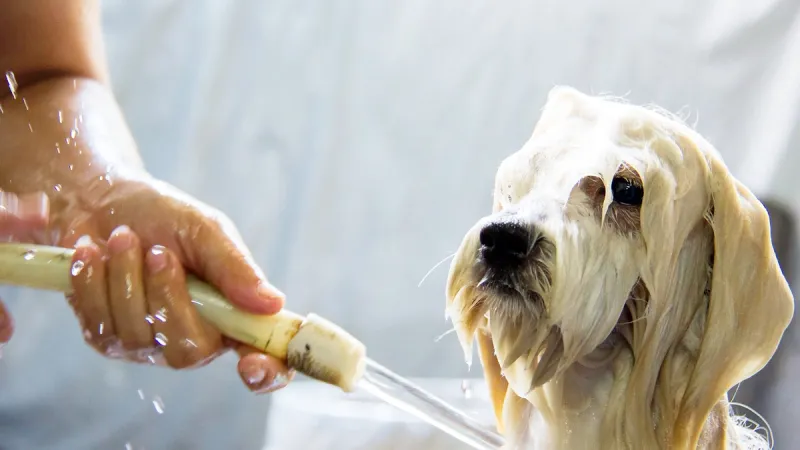
In this guide, we will focus on one of the most important parts of grooming your dog at home the shampoo bath. Done well, it keeps your dog clean, comfortable, and more relaxed about future grooming.
Why Your Dog’s Shampoo Routine Matters
For dogs, the primary goal of a bath is to remove dirt, excess oils, and tangles from the coat and skin. Keeping the skin and coat clean helps reduce the buildup of fleas, mites, and bacteria on the body. For indoor dogs, regular bathing also helps control doggy odor in your home.
Many humans find a warm shower relaxing, but for dogs, bath time can easily become stressful or even frightening. New sounds, slippery surfaces, and water on the face can all be overwhelming. Experts recommend introducing baths regularly and gently so your dog can gradually learn that shampoo time is safe and predictable, not something to fear.
Some pet guardians take their dogs to a professional groomer for a full shampoo and haircut. Others feel comfortable doing shampoo-only grooming at home, especially for breeds that do not need frequent trimming. Compared with cats, many dogs are more tolerant of water, which can make home bathing more realistic for busy families.
However, a dog bath is not just about getting them wet and soapy. Professional groomers study proper bathing techniques and follow specific steps to protect the skin, coat, and emotional wellbeing of the dog. If you prefer to bathe your dog at home, the following basics will help you get closer to a salon-quality result.
Basic 1 Choose a Dog Safe Shampoo
Human shampoos even gentle ones are usually too harsh for a dog’s skin. A dog’s skin has a different pH balance and is more sensitive than human skin. Using human products can lead to dryness, itching, or irritation.
Experts recommend using a shampoo formulated specifically for dogs. Look for products that clearly state they are for canine use and, when possible, choose formulas that are free from strong artificial fragrances or dyes, especially if your dog has sensitive skin.
If your dog is still getting used to baths, consider a 2 in 1 dog shampoo with built in conditioner. This allows you to cleanse and condition the coat in a single step, which shortens bath time and can reduce stress for dogs who are not yet comfortable in the tub.
If your dog has ongoing skin issues such as redness, flaking, or recurrent infections, consult your veterinarian before choosing a shampoo. Medicated or prescription shampoos may be recommended in those cases.
Basic 2 Wash With Gentle, Massage Like Motions
When washing your own hair, you might scrub vigorously without thinking about it. Dogs, however, have more delicate skin, and many feel safer when handled calmly. During your dog’s bath, use slow, gentle, massage like motions instead of rough scrubbing.
Start by thoroughly wetting the coat with lukewarm water, avoiding direct spraying on the face. Apply the shampoo and work it into a lather using your fingertips and the pads of your hands, not your nails. Move in small circles along the neck, back, chest, legs, and tail, taking care to reach the areas where dirt and oils tend to build up, such as under the collar and around the hindquarters.
Most dogs enjoy this kind of gentle touch, and it can even become a bonding experience. However, a few dogs do not like prolonged massage or handling. If your dog becomes tense, tries to escape, or shows signs of stress such as yawning, lip licking, or wide eyes, focus on working efficiently and finishing the bath promptly rather than extending the massage.
Rinse thoroughly until the water runs completely clear. Leftover shampoo on the skin can cause itching or irritation, so take your time with this step, especially in thick or double coats.
Basic 3 Protect the Eyes and Ears
For many dogs, the most stressful part of a bath is water or shampoo getting near the face. Shampoo in the eyes or ears can be painful and frightening, and a single bad experience may make your dog resist future baths.
To help prevent this, avoid pouring or spraying water directly over your dog’s head. Instead, use a damp washcloth to gently clean the face, muzzle, and around the eyes. If you need to shampoo the top of the head, apply a small amount of diluted shampoo to your hand and carefully work it in, keeping the lather away from the eyes.
The ears also need special care. Do not allow shampoo or water to flow into the ear canal, as moisture trapped inside the ear can contribute to infections and discomfort. You can gently support the base of the ear with your hand while rinsing nearby areas, and always tilt the dog’s head so water flows away from the ear opening.
If shampoo does accidentally get into the eyes or ears, rinse immediately with clean, lukewarm water and monitor your dog closely. Contact your veterinarian if you notice persistent redness, squinting, head shaking, or ear scratching after a bath.
Helpful Video Guides for At Home Bathing
Many pet parents feel unsure about their technique even after reading step by step instructions. In those cases, watching a high quality demonstration can be extremely helpful. Several educational videos show real dogs being bathed calmly and safely at home.
Some videos walk you through the entire process using a small breed dog such as a Chihuahua as the model. They often break the bath into clear stages, for example
- Brushing the coat before the bath
- Wetting the body thoroughly
- Applying and working in the shampoo
- Rinsing completely
- Final drying and finishing tips
Other resources feature professional groomers demonstrating how to bathe a dog in a regular home bathroom. Even though their movements are quick and confident, you can see that a salon level clean is possible without special equipment. Many of these videos include on screen captions that highlight key points, making them easy to follow.
You may also find tutorials that focus on specific grooming tasks often done alongside a bath, such as expressing the anal glands. In many grooming salons, the anal glands are checked and expressed during the shampoo. Once you understand the anatomy and correct technique, some pet guardians choose to learn how to do this at home before the bath. Because this procedure can be uncomfortable or risky if done incorrectly, it is wise to ask your veterinarian or a professional groomer for guidance before attempting it yourself.
Growing Your Confidence With At Home Grooming
If your dog does not need regular haircuts, you might wonder whether you can manage baths at home and still keep them clean and comfortable. With the right shampoo, gentle handling, and attention to safety, many pet parents successfully maintain their dog’s hygiene between or even instead of salon visits.
Consider using reputable video tutorials from professional groomers or veterinary clinics as visual guides while you practice. Start slowly, keep sessions short and positive, and reward your dog generously after each bath. Over time, you can build a calm, predictable bath routine that supports your dog’s health and strengthens your bond.
- 03.02.2026
- 05.14.2016