Simple Daily Touch Routines That Help Your Dog See You As Their Trusted Leader
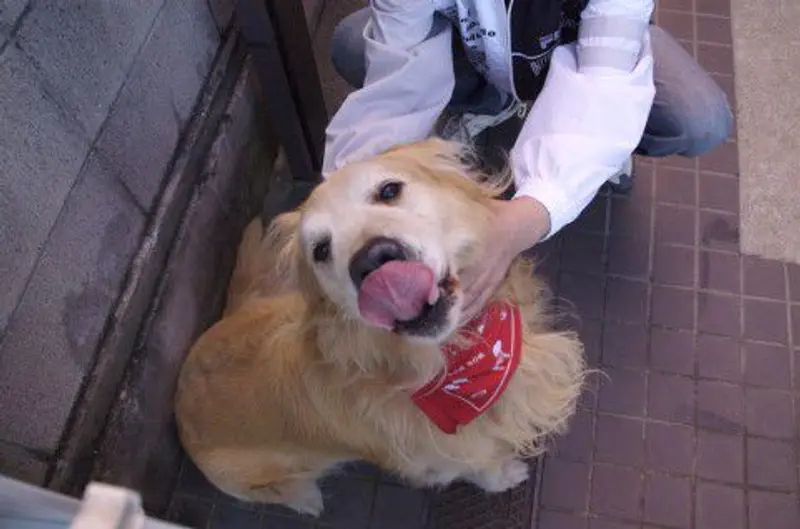
This article is an English translation of the original Japanese article. Read the original Japanese version.
When dogs do not recognize their pet parent as a calm, reliable leader, they often become anxious, overprotective, and easily stressed. Learn two gentle, vet‑informed touch routines that can help your dog relax, feel protected, and deepen their trust in you.
Key takeaways
Q. Why is it necessary for the owner to become the 'leader' to build a good relationship with their dog?
Dogs rank members in a group, and if you allow everything, they won't see you as above them and can't follow you with安心.
Q. What simple leadership methods at home are introduced in the article?
Two methods: gently moving the dog's mouth from behind while holding them, and holding them belly-up to gently stroke their belly.
Q. What should you be careful about when doing these skinship exercises?
Don't expect quick results; continue patiently every day and avoid doing it too often, watching your dog's condition and keeping it moderate.
Many pet parents see their own dog as the cutest, most special pup in the world. That deep love is wonderful, but it can sometimes lead to overindulging with treats or letting every bit of mischief slide. When this pattern continues, your dog may start to see you less as a reliable leader and more as someone they can simply manipulate for what they want.
Over time, that imbalance does not just affect manners. It can quietly erode the healthy bond between pet guardian and dog. When a dog does not clearly understand who is guiding and protecting them, their mental and emotional load often increases. Before it reaches that point, you can use simple, gentle touch to help your dog recognize you as their calm, trustworthy leader.
Why Your Dog Needs You To Be The Leader
Before exploring specific touch routines, it helps to understand why an unclear relationship can become stressful for your dog. Dogs are social animals that evolved to live in groups, where roles and hierarchy are usually well defined. In a stable group, dogs look to a confident leader for direction and safety.
This instinct does not disappear just because a dog lives with humans. Inside the family, dogs naturally assess who feels “above” or “below” them in terms of authority. They tend to follow the guidance of those they see as higher ranking and ignore or test those they perceive as lower. If a pet parent allows every behavior without boundaries, the dog may not recognize that person as a leader figure.
When a dog does feel they have a dependable leader, they usually relax. They can trust that someone else is in charge of safety and decision‑making. Without that sense of leadership, many dogs feel pressured to take on the role themselves.
From the dog’s perspective, becoming the leader means, “I have to protect everyone.” That self‑assigned job can make them hyper‑alert to every sound, movement, or visitor. Even at home, they may react strongly to footsteps in the hallway, a car door outside, or a family member simply standing up.
Instead of resting, these dogs stay on constant watch. Over time, that state of high alert is exhausting and can contribute to anxiety, reactivity, and difficulty settling. The ideal situation is one where the pet guardian is clearly seen as the calm, protective leader, and the dog feels safe enough to let their guard down.
Two Simple Leadership Touch Routines You Can Use At Home
So how can you gently communicate to your dog that you are the one in charge of safety and decisions? Formal dog training classes are one excellent option, but they can be costly or hard to fit into a busy schedule.
As a practical starting point, consider adding two simple, at‑home touch routines to your daily life. These exercises are not about force or dominance. Instead, they combine calm handling with clear structure to reinforce that you are a confident, kind leader your dog can trust.
1. Calm Mouth Handling From Behind
The first routine uses gentle handling around your dog’s head and mouth, areas that many dogs guard closely. Done correctly, this exercise helps your dog accept your guidance and touch in a relaxed way.
Have your dog sit, then position yourself just behind or slightly to the side of them. Wrap your arms around them in a loose, secure hold, as if giving a gentle hug from behind. With one hand, softly hold their muzzle or mouth area, and very gently move it up and down, then side to side.
The goal is not to restrain tightly or cause discomfort. Instead, you are calmly showing, “I can move you, and you are safe with me.” Over time, this teaches your dog that you are in a higher decision‑making role, while still being gentle and trustworthy.
For this routine:
- Keep your movements slow and soft, watching your dog’s body language closely.
- Stop immediately if your dog shows signs of fear, pain, or strong resistance, and consult a professional if needed.
- Pair the handling with a calm voice and relaxed breathing so your dog associates your touch with safety.
2. Belly‑Up Holding And Gentle Belly Rubs
The second routine focuses on your dog’s belly, a naturally vulnerable area. Many dogs only expose their stomach when they feel safe. Being able to calmly touch this area can be a strong sign of trust.
Hold your dog in a way that allows their belly to face upward, as if you are cradling them. This might look different depending on your dog’s size and body shape, so choose a position that is physically comfortable and well supported. Once they are secure, gently stroke and rub their belly in slow, soothing motions.
If your dog allows you to quietly touch and rub their belly without stiffening, snapping, or trying to escape, it is a strong indicator that they trust you deeply. Over time, this position reinforces the idea that you are the one in charge of safety, and they can fully relax in your care.
To make this routine successful:
- Support your dog’s back and neck so they feel physically secure.
- Keep sessions short at first, especially for dogs not used to being held this way.
- Reward calm behavior with gentle praise and, if appropriate, a small treat afterward.
How Often To Practice These Routines
Neither of these methods will transform your relationship overnight. Consistency and patience are far more important than intensity. Aim to practice these touch routines regularly, but in small, positive doses.
If you repeat them too many times in a single day, your dog may become annoyed or restless, thinking, “That’s enough, I’m done.” Instead, watch your dog’s reactions closely and adjust the frequency to match their comfort level. A few calm, focused minutes each day is usually more effective than long, repetitive sessions.
If at any point your dog shows clear signs of stress, fear, or aggression, pause the exercise and consider consulting a veterinarian or qualified behavior professional. Safety and emotional well‑being should always come first.
Using Touch To Deepen Trust And Spot Changes Early
Thoughtful physical contact is one of the simplest and most powerful ways to strengthen your bond with your dog. Regular, gentle touch not only builds emotional closeness, it also helps you notice small changes in your dog’s body and behavior early.
By routinely handling areas like the mouth, belly, paws, and ears, you become more familiar with what is normal for your dog. This makes it easier to spot new lumps, skin changes, sensitivity, or discomfort that might warrant a veterinary check.
Consider weaving these leadership touch routines into your everyday life, such as during quiet time on the couch or as part of your evening wind‑down. Over time, many dogs learn to look forward to this calm, connected handling.
Building A Lifetime Of Calm, Confident Partnership
When you step into the role of a steady, kind leader, you give your dog a priceless gift—the freedom to relax. Clear guidance, gentle touch, and consistent routines tell your dog, “You do not have to be on guard. I am here to protect you.”
By practicing these simple touch exercises with patience and respect, you help your dog feel both secure and deeply understood. In return, you gain a companion who can rest more easily, respond more reliably, and share a richer, more trusting life by your side.
Start small, stay consistent, and let each gentle touch be a step toward a calmer, more confident partnership with your dog.
- 03.21.2026
- 04.16.2014