Why Dog Whistles Are a Powerful Training Tool for Safer, More Reliable Recall
This article is an English translation of the original Japanese article. Read the original Japanese version.
Dog whistles may sound like something out of a spy movie, but they are one of the most practical tools for modern dog training. Learn how this simple device can sharpen your dog’s recall, cut through background noise, and support calmer, more consistent communication.
Key takeaways
Q. What are the benefits of using a dog whistle?
It emits high-frequency sounds humans barely hear, allowing stable signals over distance without emotional voice variations, improving training efficiency.
Q. How should I start training with a dog whistle?
Lightly blow the whistle and immediately give a reward repeatedly to condition it as a positive cue, then practice recall using the whistle.
Q. Are there any precautions when using a dog whistle?
Avoid blowing strongly near the ears, never use it as punishment, and be cautious in multi-pet environments since cats and small animals can also hear it.
What Exactly Is a Dog Whistle?
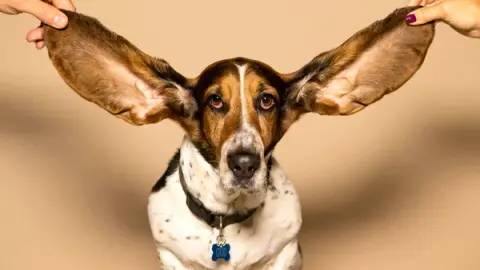
A dog whistle is a specialized whistle that produces high frequency sounds that humans can barely hear, but dogs hear clearly. Dogs perceive a much wider range of pitches than we do, so they can easily pick up these high-pitched signals even when we cannot.
Because of this, a dog whistle can often cut through background noise more reliably than your voice. In busy parks, windy weather, or over longer distances, a whistle signal tends to stay clearer and more consistent than shouting your dog’s name.
Another key advantage is consistency. Human voices change with mood, stress, and fatigue, but a whistle tone stays almost the same every time you blow it. This lack of emotional “wobble” helps dogs learn faster and respond more reliably, especially for important cues like recall.
A Note on Volume and Distance
One important consideration with dog whistles is that you cannot judge the volume by ear, because much of the sound is outside the human hearing range. That means it is easy to accidentally blow harder than necessary, especially at close range.
Fortunately, most modern dog whistles are designed so the sound does not become excessively loud. Even so, experts recommend starting with short, light blows and carefully watching your dog’s body language.
If your dog pins their ears back, turns their head away, or looks uncomfortable, the sound may be too intense for that distance. If they naturally glance toward you or move in your direction, you are likely using an appropriate intensity. Always avoid blowing the whistle forcefully right next to your dog’s ears.
The Basics of Training With a Dog Whistle
Training with a dog whistle is simpler than many pet parents expect. The first step is conditioning your dog to understand that the whistle sound predicts something positive.
Start in a quiet, low-distraction environment. Give a light, brief "peep" on the whistle, then immediately offer a high-value reward such as a favorite treat or a quick play session. Repeat this several times in short sessions.
Over time, your dog will learn that “whistle sound = something good is coming”. You will know this association is forming when your dog quickly looks toward you the moment they hear the whistle, even before you reach for the treat pouch. Once that happens consistently, you are ready to move on.
Using a Dog Whistle for Reliable Recall
One of the most effective uses of a dog whistle is recall training—teaching your dog to come back to you promptly and happily.
Begin at a short distance indoors or in a secure yard. When your dog is a few steps away and not overly distracted, give a brief whistle signal. As soon as they move toward you, praise warmly and reward immediately with a treat, toy, or play.
As your dog becomes more confident and consistent, gradually increase the distance and introduce mild distractions. Practice in different safe environments—such as various rooms, your yard, and eventually quiet outdoor spaces—so your dog learns that the whistle means “come to me now” no matter where you are.
Because dogs are highly influenced by their surroundings, experts recommend progressing in small, manageable steps and practicing regularly rather than jumping straight from the living room to a busy dog park.
Never Use the Dog Whistle as Punishment
For the whistle to remain effective, it must stay a positive or neutral signal, never a scary one. Avoid using the whistle to startle, punish, or intimidate your dog.
For example, blowing the whistle sharply when your dog barks in an attempt to “shock” them into stopping can easily backfire. This approach may increase anxiety and create negative associations with the sound, making your dog less willing to respond when you truly need them to come.
Instead, reserve the whistle for clear, consistent, and rewarding cues, especially recall. Your dog should think, “When I hear that sound and go to my guardian, good things happen.”
Other Animals Can Hear Dog Whistles Too
Many pet parents assume dog whistles are audible only to dogs, but that is not entirely accurate. Several other companion animals can also hear high frequency sounds, including cats, rabbits, ferrets, and many small rodents.
Some trainers even use dog whistles when working with cats. Because of this, if you share your home or training space with multiple species, be mindful that the whistle may affect more than just your dog. Watch how other animals in the environment respond and adjust your training setup if anyone appears stressed or unsettled.
A Simple, Traditional Tool With Modern Benefits
Despite their simple design, dog whistles remain a powerful communication tool when used thoughtfully. They are especially valuable for recall training, where a clear, consistent signal can significantly improve safety during off-leash activities in appropriate, secure areas.
If you are a pet guardian looking to strengthen your dog’s responsiveness, improve recall, or break through a training plateau, a dog whistle can be a smart addition to your toolkit. Start gently, keep the experience positive, and practice regularly.
By pairing the whistle with rewards and patience, you can build a more reliable communication system and deepen the trust between you and your dog—one clear, confident signal at a time.
- 03.20.2026
- 11.09.2025