When Can Puppies Go for Walks Safely and How to Start on the Right Paw
This article is an English translation of the original Japanese article. Read the original Japanese version.
Bringing home a new puppy makes you want to head out for walks right away, but their immune system is still developing and the outside world carries real infection risks. Learn when it’s actually safe to walk your puppy and how to build calm, confident social skills long before their paws touch the ground.
Key takeaways
Q. From when can a puppy safely start going for walks?
A puppy can safely debut walks about 1–2 weeks after completing all combination vaccines, typically around 4–5 months old.
Q. Is there any socialization or walk preparation that can be done before vaccines are completed?
You can do "抱っこ散歩" to expose the puppy to outside sights and sounds, and practice getting used to collars, harnesses, and leashes indoors.
Q. What should I especially pay attention to before and after walk debut?
Until vaccines are complete, avoid letting the puppy walk on the ground and crowded dog areas; after debut, start with short walks on quiet, safe routes.
When Puppies Can Safely Start Walking Outside
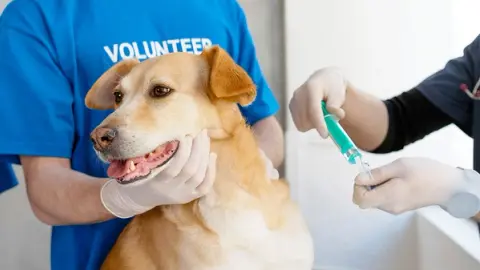
Most puppies can safely start walking outdoors on the ground about one to two weeks after they complete their core puppy vaccine series. This window gives their immune system time to build strong protection against serious infectious diseases.
If a puppy is allowed to walk on the ground before vaccine immunity is established, they are at higher risk for parvovirus and other potentially life-threatening infections. These viruses can survive for long periods in the environment and may be carried on other dogs’ stool, contaminated soil, or even on shoes.
Typical Puppy Vaccination Timeline
While schedules vary slightly, many veterinarians follow a similar core vaccine plan for healthy puppies.
- First combination vaccine at around 6 to 8 weeks of age
- Second and third doses every 3 to 4 weeks
- Final puppy vaccine typically completed around 14 to 16 weeks of age
Once the final vaccine is given, pet parents should wait an additional 1 to 2 weeks before letting their puppy walk on public ground. For many puppies, this means their true “walk debut” happens around 4 to 5 months of age.
Vaccine brands, local disease risks, and each veterinary clinic’s protocol can differ. Always confirm your puppy’s exact outdoor timeline with your veterinarian, who can tailor recommendations to your puppy’s health status and environment.
Why Early Socialization Matters Even Before Walks
Even if your puppy is not yet cleared to walk outside, early social experiences are crucial. Puppies go through a key developmental window called the socialization period, which typically spans from about 3 to 14 weeks of age.
During this time, puppies are especially open to new sounds, smells, people, animals, and environments. Positive exposure now helps them grow into confident, adaptable adult dogs. If a puppy first encounters the outside world only after this window closes, they may be more prone to fear, barking, or anxiety in new situations.
Pet guardians often face a dilemma: you want to maximize socialization, but you also need to protect your puppy from disease. That is where “carry walks” become a powerful tool.
Start With Safe Socialization Using Carry Walks
A carry walk simply means holding your puppy in your arms while you go outside together, instead of letting them walk on the ground. This allows your puppy to safely experience the world while minimizing contact with potentially contaminated surfaces.
During carry walks, your puppy can begin to get used to:
- Everyday traffic noises like cars and bicycles
- Outdoor scents and breezes in your neighborhood or local park
- People and other dogs observed from a comfortable distance
Short, calm carry walks help your puppy learn that the outside world is interesting and safe. Over time, these positive experiences can make their eventual leash walks smoother and less stressful.
Research and clinical experience suggest that well-socialized puppies are less likely to develop fear-based behaviors and are more likely to grow into relaxed, friendly companions.
The Real Risks of Letting Puppies Walk Before Vaccines
Allowing an under-vaccinated puppy to walk on the ground in public spaces can expose them to canine parvovirus and canine distemper virus, among other diseases. Both infections can cause severe illness and may be fatal, especially in young puppies.
Areas where many dogs gather, such as parks, dog runs, pet store entrances, and busy sidewalks, can harbor these viruses. Even if you do not see other dogs, viral particles can linger in soil, grass, or on surfaces.
Because of this, experts strongly recommend that puppies are carried outdoors and not allowed to walk on the ground until your veterinarian confirms that their vaccine series is complete and effective.
Indoor “Pre-Walk” Training to Set Your Puppy Up for Success
While you are waiting for vaccine protection to kick in, you can still prepare your puppy for future walks with simple indoor training.
A great place to start is getting your puppy comfortable with a collar or harness and a leash. Many puppies initially find these items strange or annoying and may scratch, chew, or resist.
Instead of clipping on the leash and expecting perfect walking right away, focus on building a positive association:
- Put the collar or harness on for short periods while your puppy is relaxed
- Attach the leash and offer treats, play, or gentle praise so your puppy links the gear with good things
- Let the leash drag briefly under supervision so your puppy gets used to its feel
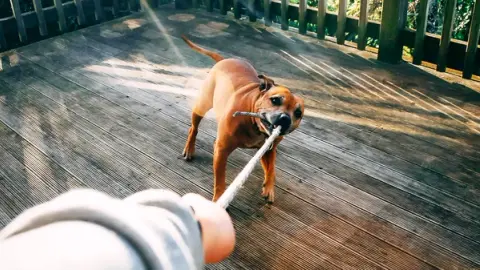
Once your puppy seems comfortable, you can begin short indoor leash walks down a hallway or around a room. This is also a good time to introduce the basics of walking at your side, often called heel or “walk with me”.
By practicing indoors first, you help your puppy understand the idea of walking with you long before the distractions of the outside world are added.
What to Check Before Your Puppy’s First Real Walk
When your veterinarian confirms that it is safe for your puppy to walk outside, take a moment to review a few safety basics before that exciting first outing.
Fit of the Collar or Harness
Puppies grow quickly, and equipment that fit last week may be too tight or too loose today. Check that you can comfortably slide two fingers between the collar or harness and your puppy’s body.
If the gear is too tight, it can cause discomfort or skin irritation. If it is too loose, your puppy may slip out and run off, especially if startled.
Safety of Your Chosen Walking Route
For early walks, choose calm, low-traffic areas. Quiet residential streets, the perimeter of a park, or a peaceful cul-de-sac are usually better than busy roads or crowded shopping districts.
Avoid areas where off-leash dogs frequently roam until your puppy is more confident and you have a better sense of their temperament and recall.
Time of Day and Temperature
In warm or hot weather, asphalt and concrete can become dangerously hot, even if the air feels comfortable. Aim for early morning or evening walks when surfaces have cooled.
Puppies are especially vulnerable to heat stress and dehydration. Bring water on longer outings, watch for signs of overheating such as heavy panting or slowing down, and keep walks short in extreme temperatures.
How to Make Your Puppy’s First Walks Positive
Your puppy’s first official walks are a big milestone. To keep the experience positive, start with very short sessions of about 5 to 10 minutes.
Many puppies will pause, sit, or lie down instead of marching forward. This is normal. Rather than pulling on the leash, give your puppy time to observe, sniff, and process their new surroundings.
If your puppy becomes overwhelmed or frightened, you can:
- Gently move a few steps away from the trigger
- Offer a treat or soft praise when they look at you
- Pick them up briefly to help them calm down, then try again when they seem more relaxed
In the early stages, your top priority is to help your puppy feel that “outside is a fun and safe place”. Distance, speed, and perfect leash manners can all be refined later.
Partner With Your Veterinarian on Timing and Safety
The timelines in this guide are general recommendations. The ideal schedule for your puppy may differ based on their health, vaccine type, local disease risks, and even the strength of the maternal antibodies they received from their mother’s first milk (colostrum).
Because of these variables, it is essential to discuss your puppy’s socialization and walking plan with your veterinarian. Ask directly, “Is it safe for my puppy to start walking outside on the ground yet?” and follow their guidance.
Your veterinary team can also advise you on safe ways to balance early socialization with infection prevention in your specific area.
Growing a Confident Walking Partner One Step at a Time
Sharing walks with your puppy can become one of the most joyful parts of life as a pet parent, but rushing the process can put their health at risk. Until your veterinarian confirms that vaccines are complete and effective, keep your puppy off the ground in public spaces and focus on carry walks and indoor training.
By thoughtfully using the socialization period, you help your puppy learn that people, dogs, sounds, and new places are nothing to fear. Puppies who have rich, positive early experiences are more likely to grow into friendly, adaptable adult dogs who truly enjoy their daily walks.
Take it step by step, celebrate small wins, and remember that every calm, positive outing builds your puppy’s confidence. With patience and planning, you are not just teaching your puppy how to walk on a leash—you are building a foundation for a lifetime of safe, happy adventures together.
- 03.20.2026
- 10.23.2025