Is Your Dog’s Walk Really Safe? How To Choose Smarter Routes And Protect Your Pup Outdoors

This article is an English translation of the original Japanese article. Read the original Japanese version.
Daily walks keep your dog’s body strong and brain sharp, but the wrong route or timing can quietly put them at risk. Learn how to plan safer walks, avoid hidden hazards, and give your dog the physical and mental workout they truly need.
What To Watch For On Your Dog’s Walk
Daily walks are about much more than bathroom breaks. Regular, well planned walks help maintain your dog’s muscle strength, joint health, and cardiovascular fitness, while new sights, smells, and sounds stimulate the brain and support emotional wellbeing.
As long as your dog is healthy and not restricted by illness, injury, or advanced age, experts recommend making daily walks a consistent part of their routine so they can move their body and enjoy fresh air in a safe, structured way.
Hot Weather Walks Can Be Dangerous
Dogs move close to the ground, so they experience heat very differently from humans. Asphalt absorbs and radiates heat, quickly becoming hot enough to burn paw pads, and metal surfaces like manhole covers can reach temperatures similar to a scorching griddle.
If the air temperature already feels hot to you, your dog may be experiencing conditions closer to walking across a desert. Because dogs are less efficient at regulating body temperature, this dramatically increases the risk of heatstroke. On warm days, avoid walking during peak heat.
Whenever possible, schedule walks for the cooler parts of the day, such as early morning around sunrise or in the evening as the sun is going down. Choose shaded routes, bring water, and watch closely for signs of overheating like excessive panting, bright red gums, or lethargy.
Rainy Day Walks And Puddle Hazards
One commonly overlooked risk on rainy days is the danger hidden in puddles. Standing water can contain bacteria, viruses, parasites, and chemical residues. It may also be contaminated with other dogs’ urine or feces, or with substances people have discarded, such as cleaning agents or automotive fluids.
If this water splashes onto your dog’s nose or paws and they lick it off, there is a real risk of infection or poisoning. Pet Guardians should stay alert to their dog’s movements and gently guide them away from puddles, drainage areas, and any spots that look dirty or oily.
For many dogs, skipping the outdoor walk on heavy rain days and focusing on indoor enrichment is the safer choice. Consider short training sessions, puzzle toys, scent games, or gentle indoor play to help your dog burn energy without unnecessary exposure to contaminated water.
Vary Your Walk Times To Prevent Problem Behaviors
When walks always happen at the exact same time, dogs quickly learn the schedule. For some dogs, this predictability can lead to demand behaviors such as barking, whining, or pacing when “walk time” approaches, which can be stressful for both dog and household.
To reduce this, many trainers recommend keeping walk times somewhat flexible and clearly under the Pet Guardian’s control. Varying the start time within a reasonable window helps your dog learn to relax and wait for your cue instead of feeling pressured to “remind” you.
If your dog already has excellent manners and does not bark or become agitated around walk time, you may not need to change your current schedule. The key is to prioritize calm, polite behavior before the leash ever goes on.
Why Pre Checking Your Walking Route Matters
Some things that are harmless to humans can be extremely dangerous to dogs. Certain ornamental plants, for example, are toxic if chewed or swallowed. Families of plants such as buttercups, azaleas and rhododendrons, spurges, nightshades, some roses, and lilies can cause serious illness or even be life threatening if ingested.
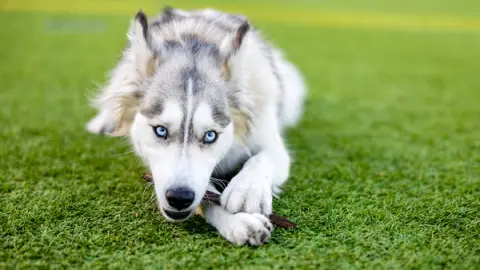
In addition, many sports fields and dog parks use artificial turf installed over cushioning material. In some regions, this infill is made from finely shredded recycled tires. These materials may contain substances such as carbon black, which has been discussed as a potential carcinogenic risk. While research is ongoing, it is wise to prevent your dog from mouthing or ingesting any turf infill or rubber crumbs.
Because dogs move close to the ground, they may also inhale or lick small particles that become airborne or stick to their fur and paws. Choosing routes with natural grass, dirt paths, or well maintained sidewalks can help reduce unnecessary exposure.
Beyond environmental materials, consider the social and behavioral landscape of your route. If there is a dog with strong territorial behavior that frequently barks or lunges from behind a fence, walking past that property every day can be stressful for both dogs. Likewise, areas near garbage collection points can increase the risk of scavenging and accidental ingestion of harmful items.
Whenever you can, walk the route alone first or observe it at different times of day. Look for:
- Toxic or suspicious plants within reach of the sidewalk
- Areas with heavy litter, food waste, or unsecured trash bags
- Aggressive or highly reactive dogs behind weak fences or open gates
- Surfaces that seem unusually hot, rough, or chemically treated
A few minutes of planning can significantly improve your dog’s safety and comfort.
How Much Walking Does Your Dog Really Need
The ideal amount of walking depends heavily on your dog’s size, age, breed, and overall health. As a broad guideline, many experts suggest that healthy adult dogs benefit from two walks per day, with approximate targets such as:
- Small dogs about 20 to 30 minutes per walk
- Large dogs about 30 to 60 minutes per walk
These are general ranges, not strict rules. High energy working breeds may need more activity and mental stimulation, while some toy breeds or brachycephalic (short nosed) dogs may do better with shorter, more frequent outings.
If your lifestyle does not allow enough time for the exercise needs of a large or high energy dog, that mismatch can lead to chronic frustration, restlessness, and behavior problems. When choosing a breed or individual dog, honestly assess how much time and energy you can commit to daily exercise and enrichment.
Special Considerations For Puppies
For dogs under one year of age, especially medium and large breeds, too much or overly intense walking can actually be harmful. Their bones and joints are still developing, and repetitive impact or long distances can interfere with normal growth.
Instead of long, forced marches, focus on short, positive outings on safe surfaces, combined with gentle play and basic training. Your veterinarian can help you tailor an exercise plan that supports healthy development for your puppy’s specific breed and size.
Pregnant, Senior, And Medically Fragile Dogs
Pregnant dogs, seniors, and dogs with orthopedic or joint conditions need extra care. For these dogs, walks should be shorter, slower, and closely monitored. Watch for any signs of pain, fatigue, or breathing difficulty, and adjust immediately.
Work with your veterinarian to determine appropriate distances, surfaces, and pacing. In some cases, multiple brief strolls and more mental enrichment at home may be safer than one long walk.
Leader Walking And The J Shaped Leash
“Leader walk” is a style of walking where the dog stays close to the Pet Guardian and matches their pace, rather than pulling ahead or zigzagging. This is not about harsh control; it is about teaching your dog to move with you in a calm, focused way.
When a dog is allowed to pull strongly on the leash, several risks increase. They may grab food or trash from the ground, dart toward other dogs or people, or step into the street unexpectedly. These behaviors can lead to injuries, conflicts, or traffic accidents.
You may also hear trainers talk about the “J shaped leash”. This refers to the gentle curve the leash makes when there is a small amount of slack and the dog is walking nicely at your side. If the leash is pulled tight in a straight line, the dog’s neck can be compressed.
Chronic pressure on the neck can contribute to issues such as tracheal collapse, a condition where the windpipe weakens and breathing becomes difficult, particularly in small breeds. Hot weather and excitement can make this even more dangerous.
Even with a harness, excessive pulling can place strain on the shoulders, spine, and joints, potentially affecting long term musculoskeletal health. For growing dogs, this is especially concerning.
The long term goal is to build enough trust, training, and responsiveness that your dog could walk calmly even without a leash, while still following local leash laws. Until then, reward your dog generously for staying near you, keeping the leash loose, and checking in with you during the walk.
Essentials To Bring On Every Walk
Collar Or Harness And Leash
A secure, well fitted collar or harness and a sturdy leash are non negotiable safety tools. Walking without a leash, even in seemingly quiet areas, can end in disaster if your dog suddenly reacts to a moving object, loud noise, or unfamiliar animal.
Without a leash, your dog could bolt into the road, become lost, or jump on a passerby and cause injury. Using a leash is not about restricting your dog’s joy; it is about protecting them and the people around you, which is a core responsibility of every Pet Guardian.
For dogs that tend to pull, a properly fitted harness often distributes pressure more safely than a collar. Repeatedly yanking on a collar can strain the thyroid area, neck muscles, and even structures within the head, and may increase eye pressure, which is a concern for conditions like glaucoma.
Pair your equipment choice with positive reinforcement based training to reduce pulling, rather than relying on force.
Waste Bags And Tissues
Leaving your dog’s waste behind is not only inconsiderate; in many places, it is also against local regulations and contributes to the spread of parasites and disease. Always carry enough waste bags and a few tissues or paper towels so you can clean up thoroughly.
Making this a non negotiable habit shows respect for your community and helps keep shared spaces pleasant and safe for everyone.
Portable Water
During walks, especially in warm or dry weather, your dog’s body temperature rises and their breathing may become heavier. Dogs cool themselves primarily by panting, which evaporates moisture from the tongue and mouth. This process uses up body water quickly.
Offer small amounts of fresh water regularly, particularly on longer walks or for dogs with thick coats or flat faces. A collapsible bowl or dog specific water bottle makes this easy. You can also use clean water to rinse away urine or dilute and wash off any residue after your dog eliminates, helping keep public areas more hygienic.
ID Tags And Microchips
Even with the best precautions, accidents can happen. A door may be left open, a leash may break, or a loud noise may startle your dog. To prepare for the unexpected, ensure your dog always has up to date identification.
This can include:
- A collar with a clearly readable ID tag
- A registered microchip with current contact information
Visible ID helps kind strangers contact you quickly if they find your dog, while a microchip provides a permanent backup that veterinary clinics and shelters can scan. These details are also invaluable if a Pet Guardian experiences a sudden medical emergency while out with their dog.
Turning Everyday Walks Into A Lifetime Of Safety And Trust
Dog walks may feel routine, but they are one of the most powerful tools you have to support your dog’s physical health, mental balance, and emotional connection with you. By choosing safer routes, respecting weather conditions, tailoring walk length to your dog’s life stage, and using equipment thoughtfully, you turn a simple outing into a daily act of care.
As you head out the door, take a moment to observe your surroundings from your dog’s perspective. With a bit of planning and awareness, every walk can become a shared adventure that strengthens trust, deepens your bond, and keeps your dog safer for years to come.
- 03.02.2026
- 07.19.2016