Early Kidney Disease Signs In Cats And How To Protect Their Health
This article is an English translation of the original Japanese article. Read the original Japanese version.
Kidney disease is one of the leading health threats for adult and senior cats, but the earliest signs are easy to miss. Learn how to spot subtle changes, when to call your vet, and what you can do at home to help your cat stay comfortable longer.
Key takeaways
Q. What are the early symptoms of kidney disease in cats?
They include drinking more water, increased urine amount or frequency, decreased appetite, weight loss, lethargy, dull coat, and more frequent vomiting.
Q. What preventive measures for feline kidney disease can be done at home?
Use wet food and multiple water stations to boost hydration, choose kidney-support diets, and manage weight through diet and exercise.
Q. What tests and treatments are done at the vet if kidney disease is suspected?
Blood and urine tests check BUN and creatinine, and treatment focuses on slowing progression with fluids, kidney diets, and medications as needed.
In this guide, we focus on the early signs of kidney disease in cats and walk through practical steps for prevention and treatment support.
When pet parents notice changes early and act quickly, it is often possible to slow the progression of kidney disease and help cats enjoy a more comfortable, stable life.
Caring for a cat with kidney concerns can feel overwhelming, but understanding the basics will help you make confident decisions and protect your feline family member.
What Is Kidney Disease In Cats And What Happens As It Progresses
Feline kidney disease is a condition in which the kidneys gradually lose their ability to do their job.
It is especially common in middle‑aged and senior cats and usually progresses slowly over months to years. Because the changes are subtle at first, many pet guardians only realize something is wrong once the disease is already advanced.
Healthy kidneys help the body filter and remove waste products through urine, regulate the body’s water balance, and maintain electrolytes such as sodium and potassium.
When kidney function declines, waste products and toxins can build up in the bloodstream. Over time, this can lead to loss of appetite, dehydration, weight loss, and in severe cases, life‑threatening illness.
Chronic kidney disease (CKD) in cats is usually not curable once it develops. However, early detection and consistent management can significantly improve quality of life and may extend survival time.
Do Not Miss The Early Signs Kidney Disease Checklist For Pet Parents
So what should you watch for at home?
The earliest signs of kidney disease can be very subtle. If you notice any of the following changes, it is wise to schedule a veterinary checkup as soon as possible.
- Drinking more water than usual
- Larger clumps in the litter box or more frequent urination
- Gradual loss of appetite or becoming picky with food
- Slow, steady weight loss
- Seeming a bit less active or playful than before
- Coat looking dull, dry, or unkempt
- Vomiting more often than usual, even if it is just small amounts
These are all common early warning signs of kidney disease that pet guardians often overlook or attribute to normal aging.
If something feels “off” with your cat, trust your instincts and talk with your veterinarian promptly. You know your cat’s normal behavior better than anyone else, and your observations are crucial for early diagnosis.
At Home Prevention Strategies And Everyday Nutrition Tips
Completely preventing kidney disease is not always possible, especially in older cats or those with genetic risk. However, simple daily habits can help reduce strain on the kidneys and support overall health.
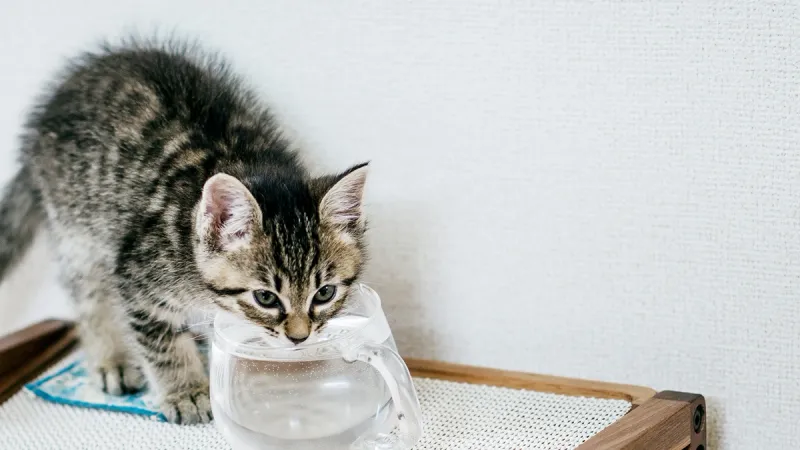
One of the most important factors is hydration. Many cats naturally drink less water than they should, especially if they eat mostly dry food.
To encourage better fluid intake, pet parents can:
- Incorporate more wet food into daily meals to increase water consumption through diet
- Offer multiple water bowls in different quiet locations around the home
- Consider a cat water fountain if your cat prefers running water
Nutrition also plays a key role. Experts often recommend kidney‑friendly diets that are carefully formulated with adjusted levels of protein, phosphorus, and sodium to reduce the workload on the kidneys.
If your veterinarian suspects early kidney changes or your cat is in a higher‑risk age group, ask whether a prescription renal support diet is appropriate.
In addition, maintaining a healthy body weight is essential. Obesity can contribute to a variety of health problems, including increased risk for kidney and urinary issues.
Aim to:
- Feed measured portions rather than free‑feeding all day
- Use interactive feeders or food puzzles to slow eating and encourage activity
- Build in daily play sessions to keep your cat moving and mentally engaged
These small lifestyle adjustments, when practiced consistently, can support kidney health and overall wellbeing over the long term.
What To Expect At The Veterinary Clinic Tests And Treatment Options
To determine whether your cat has kidney disease and how advanced it is, veterinarians typically recommend blood tests and urine tests.
These tests measure kidney function markers such as blood urea nitrogen (BUN) and creatinine, and may also include newer markers like SDMA, along with urine concentration and protein levels. Together, these values help your veterinarian assess how well the kidneys are working.
The main goal of treatment for chronic kidney disease is to slow progression and manage symptoms, rather than to cure the condition.
Depending on your cat’s stage and overall health, your veterinarian may suggest:
- Intravenous fluids or subcutaneous fluid therapy to support hydration and help flush waste products
- Therapeutic renal diets designed to reduce kidney workload and support metabolic balance
- Medications or supplements to manage nausea, blood pressure, phosphorus levels, anemia, or other complications
When treatment begins in the earlier stages of kidney disease, many cats can maintain a good quality of life for a significantly longer period.
Regular rechecks and bloodwork allow your veterinary team to adjust the care plan as your cat’s needs change.
Routine wellness exams and screening blood tests for middle‑aged and senior cats are also highly effective tools for catching kidney changes before obvious symptoms appear.
Protecting Your Cat’s Future Through Daily Care And Early Action
Kidney disease is often called a “silent” or “quiet” disease because it can progress for a long time before clear signs are visible.
That is why consistent observation at home and thoughtful daily care from pet parents are so important.
Use everyday moments like feeding, grooming, and playtime to check in on your cat’s appetite, energy level, body condition, and litter box habits. Noticing small changes early can make a meaningful difference.
Most importantly, if you ever think “Something is not quite right”, do not wait and see. Contact your veterinarian promptly and share the specific changes you have observed.
Timely veterinary care is the most reliable way to protect your cat’s health and comfort.
By combining attentive home care, appropriate nutrition, regular checkups, and early intervention, you can help your beloved feline companion enjoy many more happy, healthy years by your side.
Your journey as a pet guardian is built on small, consistent choices. Start with one or two changes today, and keep learning and adapting as your cat’s needs evolve.
- 03.20.2026
- 04.01.2025