How To Tell If Your Dog Is Truly Happy Reading Tail, Ear, And Body Language With Confidence
This article is an English translation of the original Japanese article. Read the original Japanese version.
Dogs cannot tell us in words when they feel safe, relaxed, and content, but their bodies are constantly sending signals. Learn how to read your dog’s tail, ears, posture, and facial expressions so you can confidently support their everyday happiness.
Pet parents everywhere want the same thing a genuinely happy dog. Yet what happiness feels like for dogs is not always the same as it is for humans. We cannot measure their wellbeing only by our own standards or by a few dramatic moments.
Dogs communicate constantly through subtle shifts in posture, expression, and movement. When you learn to read these small signals as a connected story instead of isolated snapshots, you can make far better choices for your dog’s comfort and emotional health.
How To Read Your Dog In Lines Not Dots
One of the most important principles in canine body language is context. The same behavior can mean very different things depending on what just happened, who is nearby, and what the environment feels like.
Instead of focusing on a single frozen moment, experts recommend watching your dog in a 30 second flow. Notice what happened a few seconds before and after a behavior. This “line” of behavior is far more reliable than any single “dot.”
Also pay attention to your dog’s choices. A dog who can freely approach, move away, and then come back again usually feels safer and more relaxed than a dog who is held in place or cannot leave. When dogs can choose to pause, step away, and reengage, their expressions tend to soften and their bodies move more fluidly.
This applies to cuddling, grooming, and play. If your dog briefly moves away during petting, then returns on their own for “another round,” that back and forth is often a sign of emotional balance rather than rejection.
The Classic Tail Wag What It Really Means
Tail movement is one of the most recognizable dog signals, but it is also one of the most misunderstood. A wagging tail does not always equal happiness.
First, look at whether the wag starts from the base of the tail and gently involves the hips and even the shoulders. A broad, sweeping wag that ripples from the tail base through a relaxed body is often associated with calm, contented happiness. The dog’s muscles look loose, and the movement has an easy rhythm.
Conversely, a tail that is held high and stiff, with only the tip twitching quickly, can signal tension, overarousal, or even brewing conflict. In these moments, the rest of the body often looks tight as well.
To interpret tail language more accurately, consider:
- Tail position high, neutral, or low
- Wag width big, loose arcs versus short, tight flicks
- Whole body softness relaxed muscles versus rigid posture
Think of the tail as one part of a bigger picture, not a stand alone happiness meter.
Soft, Responsive Ears A Window Into Emotional Safety
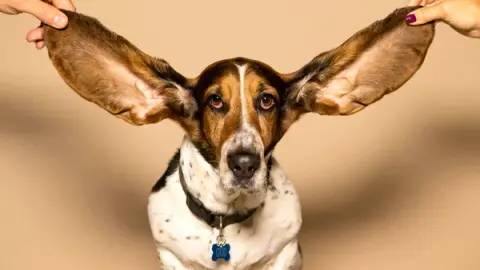
Whether your dog has floppy ears or upright ears, the base of the ear tells you a lot. Ears that are gently held, with the base relaxed and small, responsive movements to sounds, are usually a good sign.
When you call your dog and their ears perk up, then naturally return to a neutral position, that flexible response often reflects a sense of security. Ears that can move, reset, and move again usually belong to a dog who feels safe enough to process their surroundings.
In contrast, ears that are pinned tightly back and stay there may indicate fear, anxiety, or discomfort. Ears that are thrust forward and held rigidly can signal intense focus, arousal, or heightened vigilance. In both cases, check the rest of the body for confirmation before deciding how your dog feels.
Relaxation Shows In Posture And Breathing
A truly relaxed dog wears that ease in their whole body. The back and hips look supple, the shoulders are not hunched, and breathing is quiet and steady. You may see a soft curve to the spine rather than a stiff, straight line.
Dogs who feel safe often show a variety of comfortable resting positions. They may sleep on their side, stretch out on their back with their belly exposed, or rest their chin lightly on a guardian’s knee or a cushion. Seeing multiple relaxed postures over the course of a day is a strong indicator of overall comfort.
Another helpful clue is how easily your dog can return to rest. If they briefly open their eyes when they sense movement or noise, then quickly settle back to sleep, they are likely feeling secure in that environment. On the other hand, a dog who lies down but keeps their muscles tight, startles at every sound, and cannot fall back into sleep may be leaning toward tension rather than true rest.
The Wiggly Body Dance Of Joy
Many dogs express happiness with a full body wiggle. The spine curves into a loose S shape, and the hips and shoulders sway in a wave like motion. This “happy dance” often appears when greeting a trusted person or dog.
When this wiggly movement is paired with a dog who can still adjust their speed and distance based on the other party, it suggests emotional stability. A dog who can be excited yet still self adjust is usually coping well with their feelings. If the wiggles escalate into crashing, jumping, or nipping that does not ease up, it may be time to gently interrupt and help them reset.
Play Bow The Classic Invitation To Fun
The play bow front legs stretched forward, chest lowered, and rear end high in the air is one of the clearest invitations to friendly play. Dogs often show this posture to trusted playmates when they feel safe enough to be silly.
During healthy play, you may see a pattern of chase, wrestle, then a brief pause followed by another bow. If your dog can switch from intense movement back to a play bow within seconds, that suggests good self control and balanced arousal.
However, if a play bow is immediately followed by mounting, increasingly hard biting, or rough behavior that does not ease up even when the other dog or person tries to stop, excitement may be tipping into overarousal. In those moments, inserting a short break and then restarting play with a fresh bow can help your dog calm and enjoy the interaction more safely.
Head Tilt Curiosity Or Concern
Many pet parents adore the way their dog tilts their head in response to a voice or sound. This head tilt is often a sign of curiosity and information gathering. The dog is literally adjusting their ears and eyes to better understand what they are hearing.
A relaxed head tilt usually comes with soft shoulders, gently moving ears and tail, and an easy return to normal activity afterward. If your dog tilts their head, then naturally goes back to exploring or interacting, it likely reflects healthy interest rather than worry.
If instead your dog freezes in a head tilt, stares for a long time, and holds their ears and tail rigid, they may be closer to a “freeze” response. In that case, consider stepping back, reducing noise or intensity, and giving them space to move away if they choose.
Eyes, Mouth, And The Soft Face Of Contentment
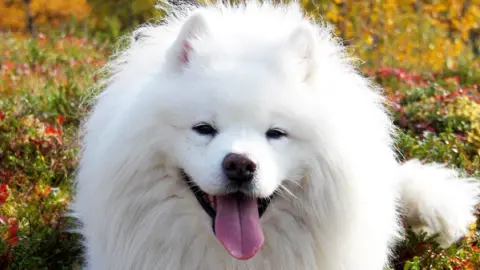
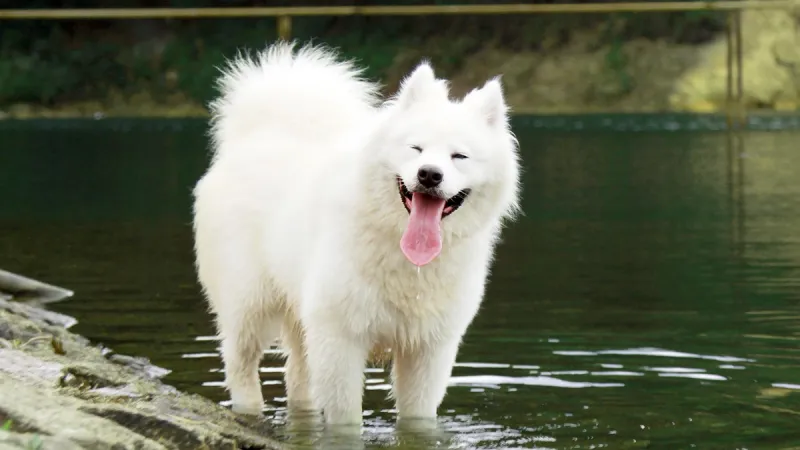
The face offers some of the most nuanced clues about how your dog feels. A content dog often has slightly narrowed eyes, more frequent gentle blinks, and a mouth that is softly open with the tongue moving in and out naturally. The overall impression is one of ease, not strain.
By contrast, rapid panting that does not match the temperature or recent exercise level can signal stress, pain, or anxiety. Wide, exposed whites of the eyes (sometimes called “whale eye”) that persist are also a red flag.
Rather than judging from a single photo like a social media snapshot, watch your dog’s face over several seconds and look for moments when the features soften. Even brief “melting” of the eyes and mouth can tell you that your dog is finding pockets of comfort.
Shake Off Resetting After Stress Or Excitement
Many dogs perform a full body shake off after a mildly stressful or intense moment, such as a greeting, a hug, or a handling procedure. The dog briefly stiffens, then shakes from head to tail, and often looks visibly looser afterward.
If your dog does a quick shake off and then returns to play, exploring, or resting with a softer expression, that is usually a healthy reset. This ability to “shake it off” and move on is one sign of good emotional regulation.
However, small, repeated tremors that continue for a long time, or shivering that does not match the temperature or activity level, can indicate discomfort, pain, or significant anxiety. In those cases, a veterinary check and a review of the environment should take priority.
Sniffing And Exploring The World
Sniffing is not just a hobby for dogs it is a core need. On walks, a dog who leisurely sniffs the ground, grass, and air, then looks back when called and returns to exploring, is engaging in very healthy behavior.
This back and forth between the environment and the pet guardian is a positive sign. Dogs who can alternate between sniffing and checking in often feel both safe and mentally stimulated.
If your dog shows little to no interest in sniffing for several days in a row, it may signal reduced motivation, low mood, or illness. On the other hand, a dog who licks the ground endlessly or obsessively sniffs the same spot without being able to move on may be using these behaviors as a stress outlet.
Whenever possible, build in “free sniff” time where your dog can choose whether to investigate or not. Having the option to sniff or simply rest without pressure often leads to visibly softer expressions and calmer behavior.
When Happiness Like Behaviors Need A Second Look
Some behaviors that look joyful at first glance can also appear when dogs are stressed. A common example is the so called “zoomies” sudden bursts of running and leaping around the house or yard.
Zoomies can absolutely occur during happy, playful moments. In those cases, the dog’s face and body usually look loose, and they can easily pause to sniff, lie down, or reengage calmly. If your dog can drop out of zoomies into a relaxed behavior, it is more likely to be fun than frantic.
If instead the running includes frequent collisions, hard mouthing, or does not settle even when you try to interrupt, your dog may be using movement to discharge stress. Offering a brief break, guiding them to a quieter space, or redirecting to a calmer activity can help them reset.
Simple At Home Observation Habits
You do not need special equipment to understand your dog better. What you need most is a habit of mindful observation.
A helpful starting point is to watch your dog in 30 second segments. During that time, focus on five key areas:
- Tail position, movement, and softness
- Ears flexibility and direction
- Facial expression eyes and mouth
- Body suppleness stiffness versus fluidity
- Approach and retreat how your dog comes closer and moves away
Checking these five elements in order can greatly reduce the risk of misreading your dog’s signals.
Next, pay attention to “restart cues” in your daily interactions. For example, you might gently pet your dog, pause, and then invite them again. If your dog chooses to come back for “one more time,” that voluntary return tells you a lot about how they feel.
Finally, consider the environment itself. Dogs benefit from:
- A quiet, comfortable place to rest undisturbed
- Time and space to sniff and explore at their own pace
- A safe corner or retreat where they can go to decompress
When the environment supports your dog’s needs, their behavior becomes easier to read and their body language often grows visibly calmer and more confident.
Nurturing Everyday Happiness In Your Dog
For dogs, happiness is less about rare, dramatic highs and more about a steady stream of safe, comfortable moments. A loosely wagging tail, softly moving ears, relaxed posture, and gentle facial expression together paint the picture of a dog who feels good in the present moment.
By respecting individual differences, honoring your dog’s choices, and reading their behavior as a continuous story rather than isolated flashes, you can actively grow their sense of security and joy.
As you move through daily routines walks, rest, play, grooming let your dog’s subtle signals guide your pace and approach. Over time, this attentive partnership builds deeper trust, clearer communication, and a richer, more content life for both you and your canine companion.
- 03.03.2026
- 08.19.2025