How to Walk Your Dog When Neighbors Dislike Animals
This article is an English translation of the original Japanese article. Read the original Japanese version.
Even if you adore your pet, some neighbors feel anxious, scared, or even unwell around animals. Learn how to adjust walks, bathroom habits, and everyday manners so you can protect your pet, prevent conflict, and help everyone feel safer in shared spaces.
Not Everyone Loves Animals As Much As You Do
For many pet parents, animals are irreplaceable partners. They soothe our stress, make us laugh, and sometimes even help keep family relationships on track. Dogs, cats, and other companion animals have become such a core part of our lives that it is hard to imagine home without them.
At the same time, not everyone feels comfortable around animals. Some people are afraid, some feel animals are unsanitary, and others have had bad experiences in the past. As responsible pet guardians, we need to recognize that our “normal” may feel very different to the people around us.
When those differences collide in shared spaces, neighborhood conflicts between animal lovers and people who dislike animals are becoming more common. Understanding why this happens is the first step toward preventing it.
Why Some People Dislike Or Fear Animals
If you love animals, it can be hard to imagine why someone would not. You might think, “You are missing out,” or “Animals are living beings just like us, please do not hate them.”
But from the other person’s perspective, their thoughts may sound more like, “Animals are scary,” or “Why would you live with something that might hurt me or make me sick?”
Experts recommend that pet parents first try to understand the reasons and background behind someone’s discomfort. People who dislike animals often have specific, understandable causes for their feelings, such as:
- They feel that fur, saliva, and waste are unhygienic
- They have been scared, chased, or bitten in the past and carry that trauma
- They have had negative experiences with previous pet guardians
- They live with allergies to certain animals
Even people who work with animals professionally sometimes start out afraid. For example, as a child I was very small and was once jumped on and chased by a friend’s Labrador Retriever. That single experience left me thinking, “Dogs are terrifying.”
What changed everything was seeing that same dog go through training with a professional dog trainer. Once the dog learned not to jump or chase and became calm and well mannered, I slowly started to feel safe touching and interacting with them. Over time, that fear turned into affection, and now I work with animals every day.
This kind of shift is not guaranteed for everyone, but it shows that positive experiences and responsible handling can gradually change how people feel about animals.
Sharing A Community With People Who Dislike Animals
Some people simply cannot be around animals because of allergies or health conditions. In those cases, it is our responsibility to make sure they can avoid contact with our pets as much as possible. Expecting them to “just get used to it” is neither kind nor safe.
Separately from those medical situations, there are people who say, “I just do not want to be near animals because I dislike them.” When we share the same neighborhood, building, or street with them, it becomes especially important to respect their feelings and boundaries.
You cannot force someone to stop disliking animals. However, when pet guardians make thoughtful, visible efforts to be considerate, several positive things can happen:
- People who dislike animals may start to feel, “Maybe it is okay if there are pets in the neighborhood.”
- Fearful neighbors may feel safer walking past your home or your dog.
- In some cases, as with my own story, a person’s fear or dislike may soften over time.
The goal is not to convert everyone into an animal lover. The goal is to create a community where both animal lovers and those who dislike animals can coexist with minimal stress.
Why Walks Are A Common Source Of Conflict
Experts consistently see that most pet-related neighborhood conflicts happen during walks and outdoor time. Any time you step into a shared public space, you are entering an environment where people hold very different feelings about animals.
People who dislike animals often report negative emotions when they see:
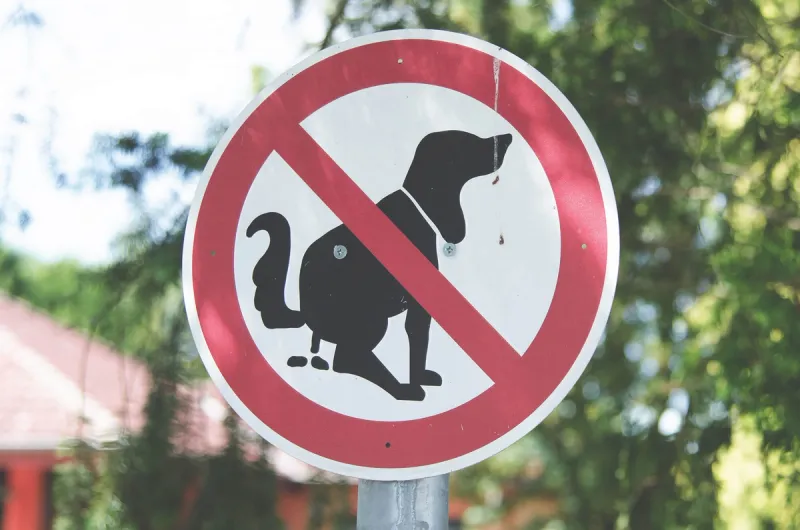
- Pets eliminating in front of homes or businesses
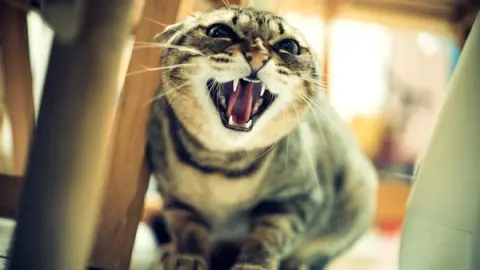
- Dogs barking or growling as they pass by
- Animals suddenly approaching and making physical contact
- Actual bites, scratches, or other injuries
Even if your pet is friendly, their behavior and your handling can feel threatening or unsanitary to others. That is why walk-time manners are one of the most powerful tools you have to prevent conflict.
Rethinking Bathroom Habits During Walks
Many pet parents are used to letting their dogs eliminate outside on walks. They may carefully pick up stool and pour water over urine spots, believing they are doing enough.
However, for people who see animals and their waste as unclean, this often still feels unacceptable. Even when you pour water over urine, a small amount usually remains on the ground. People with sensitive noses may still smell it, and some simply do not want to see an animal eliminating near their home or business at all.
This is especially true in front of:
- Restaurants and cafés
- Small shops and storefronts
- Apartment entrances and driveways
- Someone’s long-awaited new home
From a community hygiene standpoint, experts increasingly recommend minimizing outdoor elimination whenever possible. You can:
- Carry multiple pee pads or portable toilet sheets in your walk bag
- Watch your pet’s body language and quickly place a pad to catch urine or stool before it hits the ground
- Avoid allowing your pet to eliminate directly in front of homes, driveways, or shop entrances
The key idea is to prevent waste from reaching the ground whenever you reasonably can.
In the long term, the best solution is to train your pet to eliminate indoors or in a designated, appropriate area, and to reframe walks as:
- Mental enrichment
- Exercise
- Enjoyable bonding time
You can also use walks as a chance to practice basic cues like sit and wait. This turns walk time into a “thinking session” that stimulates your pet’s brain and improves overall manners.
Helping Your Pet Stay Calm Around Other People
To make walks more comfortable for everyone, it helps to understand why your pet barks, growls, or reacts to strangers. Common reasons include:
- Fear of unfamiliar people or objects and a desire to keep them away
- Overexcitement and a strong desire to play or get attention
- Protective instincts toward you or themselves
Whatever the cause, the practical goal is the same. Your pet should be able to notice other people and then quickly refocus on you when asked. This skill dramatically reduces the chance of frightening someone who dislikes animals.
Experts also recommend early and positive exposure to a wide variety of people, sounds, and environments. By gradually building your pet’s “experience library,” you reduce the number of things they find strange or scary.
If your pet’s barking, lunging, or growling feels difficult to manage on your own, consult a qualified professional dog trainer or behavior specialist as early as possible. Early intervention is usually more effective and less stressful for everyone.
Your Own Behavior Matters As Much As Your Pet’s
Avoiding conflict on walks is not only about training your pet. Your handling skills and choices as a pet guardian are just as important. Consider making these habits non‑negotiable:
- Redirect attention quickly when your pet starts to focus on a passerby
- Keep your pet walking close by your side instead of at the end of a long leash
- Hold the leash short and secure in busy areas; off‑leash in public spaces is strongly discouraged and often against local regulations
- Carry complete cleanup supplies in your walk bag, including waste bags, tissues, and pee pads
These practices are not only considerate to others. They also protect your pet from accidents, such as:
- Collisions with bicycles
- Darting into the road in front of cars
- Getting tangled around other pedestrians
When you stay fully engaged with your pet during walks, you reduce the risk of turning a pleasant outing into a preventable emergency.
Creating Communities Where Everyone Feels Respected
People who love animals and people who dislike them usually share at least one common wish: they do not want unnecessary conflict or bad feelings. Even among animal lovers, poor manners from one pet guardian can create tension and resentment.
As pet parents, it is worth pausing to remember that what feels normal and harmless to us may feel intrusive, frightening, or unsanitary to someone else. By reflecting on both our pet’s behavior and our own, we can often spot small changes that make a big difference.
When we:
- Manage bathroom habits thoughtfully
- Prevent our pets from startling or overwhelming others
- Handle leashes and training with care and consistency
we are not just avoiding complaints. We are actively building a safer, more comfortable environment for our pets, our neighbors, and ourselves.
Moving Toward Kinder, More Considerate Pet Parenting
Living with animals in a shared society means accepting that not everyone will love our pets the way we do. But it also gives us a powerful opportunity: through our daily choices, we can show that responsible pet guardianship and respect for others can go hand in hand.
By staying attentive on walks, managing elimination with care, and supporting our pets through training and socialization, we help ensure that our companions are seen as good neighbors, not sources of stress.
Your journey as a pet parent is ongoing. Each walk, each interaction, and each small act of consideration can help build a community where animal lovers and animal‑averse neighbors can live side by side with greater understanding and peace.
- 03.02.2026
- 12.05.2018