Typhoon Safety Checklist For Dogs And Cats Protect Your Pet Before The Storm Hits

This article is an English translation of the original Japanese article. Read the original Japanese version.
Strong winds, pressure changes, and thunder can be terrifying for dogs and cats and can quickly turn into real danger. Learn the essential steps pet parents should take before, during, and after a typhoon to prevent panic, injury, and escape.
As typhoon season approaches, it is essential for pet parents to think beyond their own safety and plan for their animals as well. Sudden drops in air pressure, violent winds, and thunder can be overwhelming for dogs and cats and may trigger intense fear, stress, or even dangerous escape attempts.
This guide walks you through practical, vet-informed steps to protect your pets before, during, and after a typhoon, so you can act calmly and confidently when the weather turns.
Typhoons Are Emergencies For Pets Too
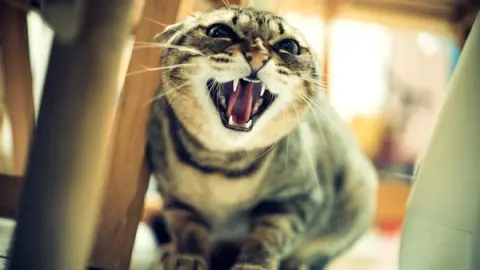
Typhoons are frightening for humans, but for animals with far more sensitive hearing and acute awareness of environmental changes, they can feel like a full-scale crisis. Many dogs and cats react to strong winds, rattling windows, and thunder by pacing, barking or meowing excessively, trembling, or hiding under furniture and in closets.
These behaviors are clear signs of stress. In some cases, panic can escalate into destructive behavior, self-injury, or attempts to bolt through doors, windows, or damaged fencing. Planning ahead significantly reduces the risk of accidents and helps your pet cope more comfortably.
What To Do Before A Typhoon Arrives
Once weather reports begin tracking a typhoon toward your area, it is time to move from “everyday routine” to storm-prep mode. Experts recommend focusing on three priorities: safe shelter, identification, and basic supplies.
Create A Safe Indoor Space
If your dog or cat normally spends time outdoors, plan to bring them indoors well before the storm arrives. Even a sturdy outdoor kennel is not safe in typhoon-level winds. If allowing pets into your main living space is difficult, consider a compromise such as a sectioned-off area in the entryway, laundry room, hallway, or bathroom.
The goal is to provide a secure, enclosed area away from windows and potential flying debris. If bringing your pet into the home is truly impossible, look for the safest alternative you can manage, such as a closed garage or a parked car in a protected location. In that case, ensure there is adequate ventilation, temperature control, and that your pet is never left in a hot, sealed vehicle.
Strengthen Your Pet’s ID And Lost-Pet Prevention
Stories of pets bolting in fear during storms are extremely common. Sudden loud noises, shaking structures, and broken fencing can all contribute to escape. To reduce the risk of permanent loss, make sure your pet’s identification is up to date before the storm hits.
Experts recommend the following:
- Secure collar with ID tag that clearly lists your current phone number
- Microchip registration checked and updated with your latest contact details
- Well-fitted harness and leash for dogs, and a secure carrier for cats
Even indoor-only pets can slip out during the chaos of opening doors, moving supplies, or checking on damage. Double-check that doors and windows close properly, and consider using baby gates or interior barriers to create an extra layer of protection and reduce escape routes.
Stock Up On Food And Water
Typhoons can cause power outages, road closures, and interruptions to water supply. This can make it difficult or impossible to buy pet food or access clean drinking water. To prepare, store at least 2–3 days’ worth of your pet’s regular food and fresh water.
Keep dry food in airtight, waterproof containers and store canned food with a manual can opener. If your pet is on a prescription diet, avoid last-minute refills by ordering ahead of storm season. For water, plan for your pets just as you would for your human family, and set aside extra clean water specifically for them.
If your pet normally drinks from an automatic water fountain or bottle-type dispenser that relies on electricity, set out several sturdy bowls of water around your home before the storm. This ensures they still have access to hydration even if the power goes out or equipment fails.
Prepare Extra Litter And Toilet Supplies
When heavy rain and strong winds make it unsafe to go outside, dogs may not be able to take their usual walks, and cats may be reluctant to use outdoor spaces. To avoid accidents and stress, stock more toilet supplies than you think you will need.
For cats, this means extra litter and an additional litter box if possible. For dogs, keep a generous supply of pee pads or pet sheets on hand and designate an indoor toilet area. Planning for limited outdoor access helps your pet stay comfortable and prevents them from holding urine or stool for too long, which can lead to health issues.
How To Support Your Pet During The Typhoon
During the storm itself, your own behavior has a powerful influence on how your pet feels. Animals are highly attuned to their guardians’ emotions. If you appear panicked or agitated, your pet is more likely to feel unsafe and escalate into distress.
Whenever possible, stay calm, move deliberately, and speak in a gentle, reassuring tone. Sitting nearby, offering quiet companionship, and allowing your pet to choose whether to be close or slightly apart can provide a strong sense of security.
Avoid overreacting to every noise or clinging tightly to your pet unless they actively seek contact. Excessive holding, frantic petting, or sudden changes in routine can sometimes increase anxiety. Aim for a balance of comfort and normalcy: keep familiar beds, toys, and blankets available, and maintain feeding times as consistently as conditions allow.
Managing Heat If The Air Conditioning Stops
Summer typhoons often come with high humidity and heat, and power outages can quickly turn homes into uncomfortable environments for pets. Dogs and cats are vulnerable to heat stress and heatstroke, especially brachycephalic (short-nosed) breeds, seniors, and animals with underlying health issues.
If the air conditioning stops, use non-electric cooling strategies to help your pet regulate their body temperature. Options include:
- Cooling mats or gel pads designed for pets
- Wrapped ice packs or cold packs placed near (not directly under) your pet
- Damp, cool towels for your pet to lie on or gently wipe their body
For pets that tolerate water, a brief lukewarm or cool (not icy cold) rinse or sponge bath can also help. Always monitor for signs of heat stress such as excessive panting, drooling, bright red or pale gums, lethargy, or vomiting, and seek veterinary help if you are concerned.
Preparing For Possible Evacuation With Pets
In some regions, local authorities may recommend or require evacuation to shelters. Policies on pets vary widely, so check your municipality’s website or disaster-preparedness information in advance to learn whether pets can accompany you and under what conditions.
If pet-friendly evacuation is allowed, you will need to bring your own supplies. Experts recommend preparing a dedicated pet evacuation kit that you can grab quickly. Include:
- Food and water for at least a couple of days
- Toilet supplies such as litter, litter tray, or pee pads
- Regular medications and any necessary medical supplies
- Copies of vaccination records and medical history
- Recent photos of your pet (printed and digital) in case you are separated
Pack these items together in a clearly labeled bag or container and store them near your own emergency kit. A sturdy carrier for cats and small dogs, plus a strong leash and harness for larger dogs, are essential for safe transport and control in crowded or unfamiliar environments.
After The Typhoon Passes Stay Alert
Once the storm has moved on, it is tempting to relax immediately. However, post-typhoon conditions can still be hazardous for pets. Damaged infrastructure, scattered debris, and contaminated water all pose risks.
Before resuming walks or outdoor time, carefully inspect your usual routes. Look for broken glass, sharp metal, exposed nails, damaged fences, fallen power lines, and unstable structures. If you are unsure whether an area is safe, err on the side of caution and keep your pet indoors or in a confined, checked space until conditions improve.
Floodwater and puddles may contain chemicals, sewage, or other contaminants. Try to prevent your pet from drinking from or playing in standing water, and rinse their paws and fur after contact when possible.
In the days following the storm, monitor your pet’s behavior and physical condition closely. Some animals develop delayed stress responses, such as changes in appetite, increased clinginess, hiding, gastrointestinal upset, or regression in toilet habits. If you notice persistent changes, lethargy, vomiting, diarrhea, coughing, or any other concerning signs, contact your veterinarian promptly for guidance.
Extra Care For Outdoor Pets
Pets that usually live outdoors face significantly higher risks during typhoons. They are exposed to strong winds, heavy rain, loud noises, flying debris, and sudden temperature changes with far fewer options for self-protection than indoor pets.
Unfortunately, there are documented cases of outdoor kennels being blown over or destroyed and animals escaping or being injured in the chaos. For this reason, bringing outdoor pets into a safer, more protected environment during the storm is one of the most important steps you can take to protect their lives.
If you have traditionally kept your dog or cat outside, consider using this typhoon season as an opportunity to reassess their living arrangements. Many pet welfare experts advocate for primarily indoor living with supervised outdoor time, especially in regions prone to severe weather. Even small changes toward more secure, sheltered housing can make a meaningful difference in your pet’s safety and well-being.
Building A Stronger Disaster Plan For Your Pets
In many parts of the world, typhoons and severe storms are a recurring part of life. While we cannot control the weather, we can dramatically improve our pets’ safety and comfort through thoughtful preparation.
Effective pet disaster planning goes beyond closing windows and bringing in food bowls. It includes preventing escapes and lost pets, preparing for power and water outages, planning for possible evacuation, and recognizing the emotional impact of storms on animals.
By taking small, concrete steps now—updating ID tags, assembling an emergency kit, identifying safe indoor spaces, and learning your local evacuation options—you are investing in your pet’s safety long before the next storm appears on the radar.
Your dog or cat depends entirely on you in an emergency. With a solid typhoon plan in place, you can face the season with greater confidence, knowing you have done everything you can to protect your four-legged family members.
- 03.03.2026
- 08.07.2025