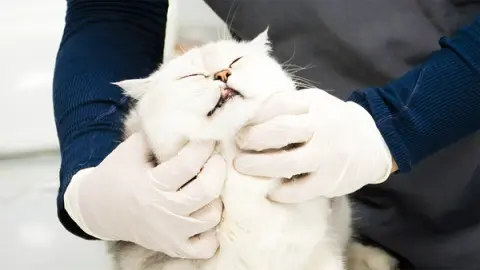
Why Your Cat Needs Dental Care And How To Start Brushing At Home

This article is an English translation of the original Japanese article. Read the original Japanese version.
Cat dental care is not just about fresh breath. Regular home care, especially toothbrushing, can help prevent painful disease and may even support a longer, healthier life for your feline friend.
Most Adult Cats Have Dental Problems You Cannot See
Many cats look perfectly healthy on the outside while quietly struggling with serious issues in their mouths. One of the most common problems is periodontal disease, an inflammatory condition affecting the tissues that support the teeth.
Research suggests that around 80 percent of adult cats show some degree of periodontal trouble. Plaque and tartar build up along the gumline, leading to gingivitis. If this inflammation progresses unchecked, teeth can loosen, become very painful, and eventually fall out.
To make things more complicated, cats are experts at hiding pain and discomfort. By the time a pet parent notices drooling, bad breath, or difficulty eating, the disease is often already advanced. Proactive oral care at home is one of the best ways to catch problems early.
Dental Disease Can Affect the Whole Body
Oral health is closely linked to overall health. Dental problems are not just about odor or cosmetic concerns. Chronic inflammation and infection in the mouth can negatively impact organs throughout the body, including the heart and kidneys.
In senior cats especially, veterinarians are increasingly concerned that poor oral health may contribute to the progression of kidney disease and other chronic conditions. While brushing alone cannot prevent every illness, keeping the mouth clean reduces the inflammatory burden on the body and supports long-term wellness.
This is why experts strongly recommend that pet guardians treat dental care as a core part of routine health maintenance, alongside vaccinations, parasite prevention, and regular checkups.
Toothbrushing Is the Gold Standard for Cats
When it comes to preventing periodontal disease, the most reliable approach is physically removing plaque from the tooth surface. In practical terms, that means toothbrushing is the single most effective home-care method for your cat’s mouth.
Many pet parents worry that their cat will never allow brushing. That concern is understandable, but most cats can learn to tolerate or even accept dental care if you start slowly and build positive associations. In the beginning, simply wiping the teeth and gums with a soft gauze pad or finger brush is enough.
Focus on gradual desensitization rather than perfection. Start with brief sessions, reward generously, and stop before your cat becomes stressed. Over time, you can work up to using a proper toothbrush and covering more tooth surfaces. For today’s pet guardians, “brushing your cat’s teeth” is becoming a normal, recommended health habit, not an unusual extra.
When Brushing Is Difficult Alternative Support Options
Some cats, despite patient training, remain very resistant to brushing. Others may have medical or behavioral issues that make handling their mouths challenging. In these cases, you can still support oral health with adjunctive products, even though they do not fully replace brushing.
Common options include:
- Dental chews and gums designed to help reduce plaque through chewing action
- Sprays or gels with antibacterial ingredients to help limit plaque buildup and control odor
- Dry foods or supplements formulated for dental support, often with special kibble shapes or active ingredients
These tools should be viewed as supportive measures rather than complete substitutes for brushing. Whenever possible, combine them with even a small amount of mechanical cleaning. Choose products recommended by your veterinarian, and introduce them gradually so your cat can adjust at their own pace.
Recommended Tools For Feline Oral Care
With the growing awareness of feline dental health, there are now many products designed to be safe, gentle, and easy for both cats and pet guardians to use. Having the right tools on hand can make starting a new routine much smoother.
Cat Toothbrushes
For cats, small, cat-specific toothbrushes with compact heads are ideal. Their size allows you to reach the back teeth more easily without overwhelming your cat’s mouth. Many brands also offer silicone brushes or gauze-style options that are softer and less intimidating for sensitive cats.
At the very beginning, consider using a soft gauze wrapped around your finger or a flexible silicone finger brush. These options provide gentle contact with the teeth and gums and can help your cat get used to the sensation of oral handling before you transition to a traditional brush.
Cat Toothpaste
One essential safety rule bears repeating clearly. Never use human toothpaste for cats. Many human formulations contain xylitol, foaming agents, or other ingredients that can be harmful if swallowed by pets.
Instead, choose toothpaste formulated specifically for cats, made with ingredients that are safe to ingest. These products often come in flavors like chicken or seafood, which can make the experience more pleasant and help your cat view brushing as a treat rather than a chore. Using a tasty feline toothpaste can significantly improve cooperation and consistency.
Dental Chews And Treats
Dental treats and chews are designed so that the mechanical action of chewing helps disrupt plaque on the tooth surface. They can be a useful addition to your cat’s routine, especially for individuals who enjoy crunchy textures.
However, it is important to remember that dental treats are supplements, not a replacement for a balanced diet or for brushing. Use them in moderation, and factor their calories into your cat’s daily intake. Many pet guardians find that offering a dental treat as a reward after brushing helps create a positive, predictable routine.
Sprays And Gels For Oral Care
For cats who strongly resist brushing, oral sprays and gels can offer a more hands-off way to support dental health. These products are typically applied directly into the mouth or along the gumline and often contain antibacterial or plaque-inhibiting ingredients to help reduce odor and slow plaque accumulation.
While they do not provide the same level of mechanical cleaning as brushing, they can be especially helpful on days when brushing is not possible, during travel, or as a bridge while you are still training your cat to accept a toothbrush. Always follow the product’s instructions and monitor your cat for any signs of irritation.
Dental Diets And Supplements
Some dry foods are specifically formulated to enhance dental benefits through kibble size, shape, and texture, encouraging more effective chewing and plaque disruption. These veterinary or dental diets may be recommended for cats at higher risk of periodontal disease.
In addition, there are powdered or liquid supplements designed to support a healthier oral environment. These can often be mixed with your cat’s regular food or water, making them easy to incorporate into daily life. For busy pet guardians, dental diets and supplements can be a practical way to add another layer of protection alongside professional cleanings and home care.
Always consult your veterinarian before changing your cat’s diet or adding new supplements, especially if your cat has existing health conditions.
Starting Your Cat’s Dental Care Journey Today
Beginning a toothbrushing routine with your cat can feel intimidating at first, but it is one of the most impactful steps you can take to protect their comfort and long-term health. Consistent oral care helps prevent pain, supports vital organs, and contributes to a happier, more active life.
Start with simple goals, such as helping your cat become comfortable with you gently touching around their mouth. Gradually introduce gauze, then a finger brush, and eventually a small toothbrush, always pairing each step with praise and rewards. Choose methods and products that fit your cat’s age, personality, and health status, and progress at a pace that keeps stress low for both of you.
By treating dental care as a normal part of your cat’s daily routine, you are not just cleaning teeth you are building a foundation for lifelong health and trust between you and your feline companion.
- 03.03.2026
- 07.28.2025