Kai Ken Guide for Pet Parents Who Love Loyal, Active Japanese Dogs
This article is an English translation of the original Japanese article. Read the original Japanese version.
The Kai Ken is a rare Japanese hunting dog known for its striking brindle coat and unwavering loyalty. Discover what makes this natural monument breed so special, and find out if this athletic, devoted dog is the right partner for your lifestyle.
Meet the Kai Ken A Tiger Brindle Japanese Dog With a Wild Heart
When people think of Japanese dogs, the Shiba Inu usually comes to mind first. Yet there is another native breed that quietly captivates enthusiasts with its wild elegance and intense loyalty.
That dog is the Kai Ken, a medium-sized Japanese breed that originated in the mountainous Kai region of present-day Yamanashi Prefecture. Recognized as a national natural monument in 1934, the Kai Ken is treasured in Japan for its distinctive coat and devoted nature.
A Medium-Sized Hunter With Tiger Brindle Markings
The Kai Ken is a Japanese-born medium-sized dog that historically worked as a hunting companion for deer and wild boar in steep mountain terrain. This background has shaped both its physique and temperament.
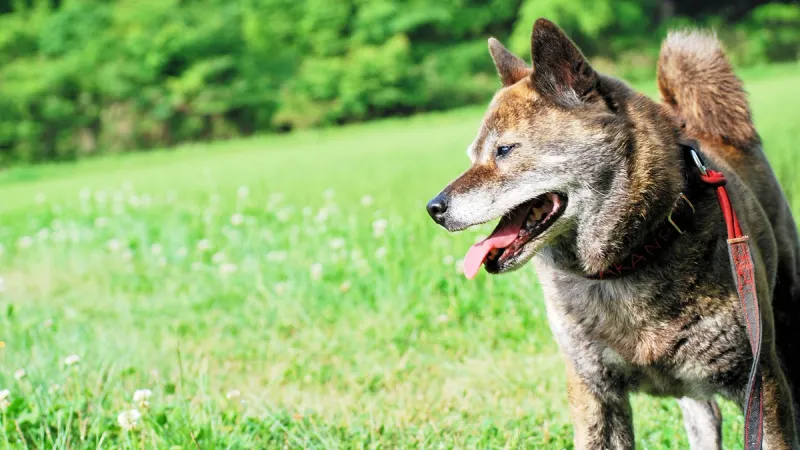
Its most famous feature is its tiger brindle coat pattern, a black base overlaid with red or brown striping. As puppies grow, the stripes typically become more defined, giving adult Kai Kens a rugged, almost wild beauty that many pet guardians find irresistible.
The body is compact, muscular, and athletic, with strong legs and a powerful rear end. This build supports excellent stamina and agility, allowing the Kai Ken to move sure-footedly over rocky slopes and dense forest.
In terms of personality, the Kai Ken is brave, highly loyal to its primary caregiver, and notably independent. Once a Kai Ken trusts a person, it often forms a deep, exclusive bond. However, it tends to be reserved or aloof with unfamiliar people and dogs. Consistent, patient training and early socialization are essential to help this naturally cautious breed feel secure in modern environments.
Size Comparison The Kai Ken Versus the Shiba Inu
The Kai Ken is classified as a medium-sized dog.
Typical height at the shoulder ranges from about 40 to 50 cm (roughly 16 to 20 inches). Adult females usually weigh around 10 kg (22 pounds), while males often reach about 15 kg (33 pounds). This makes the Kai Ken slightly larger and more robust than the Shiba Inu, yet much smaller than the Akita.
Because the breed developed as a mountain hunter, its frame is both sturdy and agile. Bones are well developed without being heavy, allowing for quick, light movement. Pet parents should plan for ample daily exercise, including walks and active play, to support this breed’s high athleticism and mental well-being.
Deep Roots in the Mountains of Yamanashi
The Kai Ken traces its origins to the Kai region of Yamanashi Prefecture, an area once characterized by isolated mountain communities. Limited contact with outside populations meant that these dogs developed with relatively little crossbreeding.
Over generations, hunters selectively bred dogs that excelled at tracking and confronting large game such as deer and wild boar. This careful selection helped preserve a strong prey drive, keen senses, independence in the field, and intense loyalty to their human hunting partners.
In 1934, the Kai Ken was officially designated a national natural monument of Japan, reflecting its cultural and historical importance. Organizations such as the Nihon Ken Hozonkai (Japanese Dog Preservation Society) continue to manage pedigrees and support conservation of the breed.
How Pet Parents Can Welcome a Kai Ken
Despite its status as a natural monument, the Kai Ken can be kept by individual pet parents who understand and respect the breed’s needs.
In Japan, there are two main ways to welcome a Kai Ken:
- Responsible breeders who specialize in Japanese dogs or Kai Kens specifically
- Rescue or preservation groups that rehome Kai Kens and Kai Ken mixes
Because the Kai Ken is a rare breed, timing and location matter. Litters are limited, and waiting lists are common. Experts recommend working closely with reputable breeders or recognized preservation groups rather than relying on chance encounters.
Why You Rarely See Kai Kens in Pet Shops
Due in part to its natural monument status and limited population, the Kai Ken is rarely found in typical pet shops.
Occasionally, a Japanese-dog–focused shop or a small, regionally connected store may have a Kai Ken puppy, but this is the exception rather than the rule. Numbers are low, and availability is highly dependent on timing and region.
For pet guardians who are serious about the breed, the most reliable path is to connect with trusted breeders, breed clubs, or preservation societies that prioritize health, temperament, and ethical breeding practices.
Kai Ken and Shiba Inu Similar Heritage, Different Dogs
The Kai Ken and the Shiba Inu share some similarities as native Japanese breeds, but they are distinct in origin, appearance, and temperament. Understanding these differences can help pet parents choose the breed that best fits their lifestyle.
Lineage and Development
The Shiba Inu descends from small hunting dogs found across various regions of Japan. In contrast, the Kai Ken developed specifically in the rugged mountain areas of Yamanashi, where isolation and selective breeding for large game hunting shaped a unique type.
Appearance and Coat Colors
Shiba Inus come in several recognized colors, including red, black and tan, sesame, and white. The Kai Ken, on the other hand, is known almost exclusively for its tiger brindle coat. It tends to look more muscular and wild, with a distinctly athletic outline.
Temperament and Adaptability
Both breeds are independent, but the Shiba Inu is generally considered more adaptable as a family companion in urban or suburban settings. The Kai Ken typically shows stronger wariness toward strangers and a more intense, focused loyalty to its primary pet parent. This can be deeply rewarding but requires thoughtful management.
Traditional Roles
Historically, Shiba Inus were used mainly for hunting birds and small game. Kai Kens, by contrast, were developed for large game such as deer and wild boar, which demanded courage, endurance, and the ability to work at a distance from humans in challenging terrain.
What to Know Before You Bring Home a Kai Ken
The Kai Ken is a fascinating, deeply loyal breed, but many experts consider it better suited to experienced pet parents rather than complete beginners.
Key points to consider include:
-
High exercise needs
This is an athletic working breed. Daily, vigorous physical activity and mental enrichment are strongly recommended to prevent boredom and frustration. -
Early and ongoing socialization
The Kai Ken’s natural wariness means that structured socialization from puppyhood is crucial. Controlled exposure to people, dogs, sounds, and environments helps build confidence and reduces the risk of fear-based reactions. -
Strong prey drive
Bred to hunt large game, many Kai Kens retain a strong instinct to chase moving animals. Secure leashes, well-fenced yards, and careful management around small pets are important safety measures. -
Deep, exclusive bonds
Once trust is established, a Kai Ken often forms a remarkably strong connection with its primary guardian. For the right person, this can feel like a once-in-a-lifetime partnership.
Individual dogs will, of course, vary in sensitivity, boldness, and sociability. However, pet parents who understand the breed’s tendencies and are committed to positive, consistent training are best positioned to help a Kai Ken thrive.
Living With a Tiger Brindle Companion Building a Lifetime of Trust
The Kai Ken is not typically a dog that showers every visitor with affection. Many individuals prefer to observe quietly from a distance, especially around new people or unfamiliar dogs, and may take time before they feel comfortable.
Yet for the pet parent who earns its trust, the Kai Ken can become an extraordinarily devoted partner. Once a strong bond is formed, many Kai Kens stay close to their guardian both physically and emotionally, offering steadfast companionship throughout their lives.
Because of its high exercise needs, sharp instincts, and strong sense of self, the Kai Ken is often considered a better match for guardians who have prior experience with independent or working breeds. In the right hands, however, this rare Japanese dog can become a truly one-of-a-kind companion.
If you are drawn to its wild beauty, quiet dignity, and intense loyalty, consider learning more from breed clubs, preservation groups, and experienced Kai Ken pet parents. With patience, respect, and thoughtful training, you can build a lifetime of trust with this remarkable tiger brindle Japanese dog.
- 03.15.2026
- 07.28.2025