Why Cats Eat Cat Grass And How To Use It Safely For Hairball Care
This article is an English translation of the original Japanese article. Read the original Japanese version.
Wondering why your meat-loving cat suddenly craves a pot of grass? Discover what cat grass really is, how it helps with hairballs, when you can safely use alternatives, and what to do if your cat refuses to eat it at all.
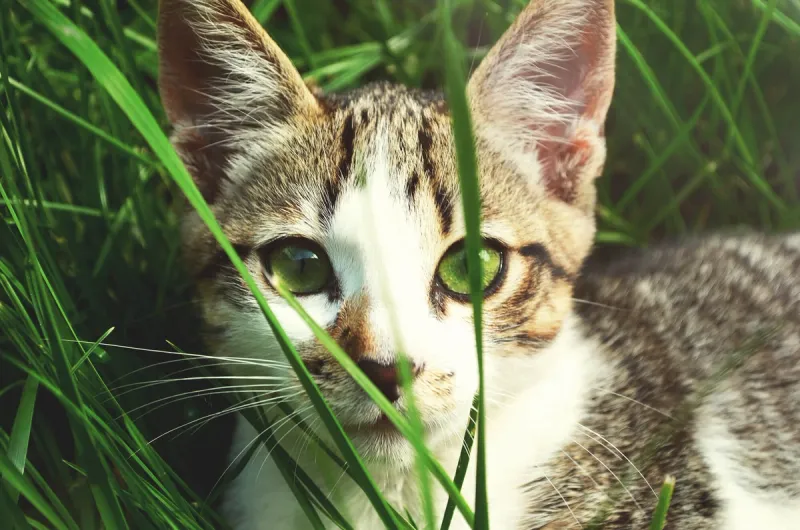
In many pet stores and garden centers, you can now find small pots labeled cat grass. If you live with a cat, you have probably bought it at least once and watched your feline chew on those tender green blades.
Cat grass is short, narrow, and soft, with wider leaves than typical lawn grass. It looks simple, but it plays a very specific role in feline health and behavior.
In this guide, you will learn what cat grass actually is, why cats eat it, which plants can safely be used as substitutes, and how to support hairball control even if your cat has no interest in grass at all.
What Exactly Is Cat Grass
Most commercial cat grass is made from the young leaves of oat plants, a cereal in the grass family known in Japanese as enmugi and more widely as oats. These are the same oats used to make oatmeal, just harvested at a very early, leafy stage.
On product labels, you may also see cat grass sold as pet grass, oat grass, or under the botanical name Avena sativa. In some regions, it may be labeled as oat grass for pets or simply as a hairball care grass.
Besides oats, a few other grasses are occasionally used as cat grass, including:
- Wheat
- Barley
- Rye
- Sudan grass
What all of these plants have in common is that they belong to the Poaceae (grass) family. This matters because grass-family plants are generally considered relatively safe for cats to nibble when grown and offered appropriately.
Why Do Cats Eat Cat Grass
Many pet parents assume cats eat grass because they are craving vegetables, but that is not what is happening. Cats are obligate carnivores, and their digestive systems are not designed to use plant material as a major nutrient source.
The leading explanation is that cats use grass as a tool to help expel hairballs. When cats groom themselves, they swallow loose fur. Most of that fur passes through the digestive tract and is eliminated in the stool, but some can accumulate in the stomach and form hairballs.
By chewing and swallowing the stiff, slightly abrasive blades of grass, cats may stimulate the stomach lining and trigger vomiting. This can help them bring up accumulated hair and other indigestible material.
Not every cat will vomit after eating grass, and not every hairball is caused or prevented by grass. However, many pet guardians notice a clear pattern: their cat seeks out grass when they seem uncomfortable or when a hairball is on the way.
Cat Grass Is Not A Salad Or A Vegetable Side Dish
Some marketing terms can be misleading. You may see cat grass products labeled with words like vegetable or salad and feel that your cat needs it to “balance” a meat-based diet.
In reality, cat grass is best thought of as a relatively safe foreign object that cats use to trigger vomiting, not as a source of vitamins or fiber like human vegetables. Cats and humans have very different dietary needs and digestive systems.
Avoid treating cat grass as a daily vegetable requirement. Instead, consider it a tool that some cats choose to use occasionally to manage hair and other minor stomach irritations.
When Your Cat Needs To Vomit A Hairball But You Have No Cat Grass
If you live with a long-haired cat or a heavy groomer, you may feel that cat grass is something you always need to keep on hand. At the same time, constantly buying pre-grown pots can become expensive.
If you are looking to reduce costs or simply cannot find commercial cat grass, you can sometimes use other grass-family plants as substitutes. However, safety should always come first.
When offering any plant that is not specifically grown and packaged as cat grass, never use grass from areas that may have been treated with herbicides, pesticides, or chemical fertilizers. Roadside plants and public lawns are especially risky.
Below are some grass-family plants that are often easier to find and may be used as alternative cat grass when grown safely and offered correctly.
Lemongrass
Lemongrass is a fragrant herb with a citrus-like aroma that many cats surprisingly enjoy chewing. Botanically, it is part of the grass family, which is why it can function similarly to cat grass.
However, there is an important safety point: lemongrass essential oil and concentrated aromatherapy products are toxic to cats. Cats lack the liver enzymes needed to process many essential oils.
If you choose to grow lemongrass for your cat, only offer the fresh plant leaves in moderation. Do not diffuse, apply, or feed lemongrass essential oil or any oil-based products to or around your cat.
Foxtail Grass Often Called Cat Teaser Grass
Many cat lovers recognize foxtail grasses as the fluffy, caterpillar-like plants that cats love to bat at outdoors. These plants are also members of the grass family.
When using foxtail-type grasses as a cat grass substitute, only offer the young green leaves, not the fuzzy seed heads. The seed heads can be irritating and may pose a risk of getting stuck in the mouth, nose, or eyes.
Always inspect the plant carefully and remove any parts that look like bristly spikes or caterpillars before allowing your cat to chew on it.
Common Summer Grass
In many urban and suburban areas, you may see low-growing annual grasses spreading out in a star-like pattern across sidewalks and open ground. These are often common summer grasses in the Poaceae family.
As with foxtail grasses, if you choose to use these as a substitute, only offer the tender young leaves. Avoid the radiating seed heads or any part that looks dry, sharp, or spiky.
Again, be absolutely sure the area has not been treated with chemicals, and rinse the plants thoroughly before offering them to your cat.
Is It A Problem If Your Cat Does Not Eat Cat Grass
Some cats eagerly seek out cat grass, while others ignore it completely. A lack of interest in grass is not automatically a sign of illness.
In healthy cats, most of the hair swallowed during grooming is naturally eliminated in the stool. The digestive tract is designed to move small amounts of fur along with the rest of the intestinal contents.
If you are still worried about hairballs, you can consider hairball-control cat foods or supplements formulated to help move hair through the intestines more efficiently. Many of these diets use specific fiber blends and lubricating ingredients to support this process.
However, the most effective and gentle strategy is to reduce the amount of loose hair your cat swallows in the first place.
The Best Hairball Strategy Regular Grooming
Experts consistently recommend frequent brushing as the foundation of hairball prevention. By removing loose fur before your cat can lick it off, you reduce the amount of hair entering the digestive tract.
For long-haired breeds or heavy shedders, daily brushing is ideal. Short-haired cats also benefit from regular grooming, especially during seasonal shedding periods.
Think of cat grass as an occasional tool some cats choose to use, while brushing is the everyday habit that truly protects your cat’s comfort and digestive health.
Using Cat Grass Wisely For A Happier Healthier Cat
Cat grass can be a helpful option for some cats, especially those that instinctively seek out grass when they feel a hairball coming on. Understanding that it is not a vegetable side dish but a relatively safe foreign object used to trigger vomiting helps you offer it more thoughtfully.
If you decide to provide cat grass or safe grass-family substitutes, grow them in clean soil, avoid chemical treatments, and offer only the tender leaves. Monitor your cat’s response and remove the plant if you notice excessive vomiting, diarrhea, or any sign of discomfort.
At the same time, focus on proactive care. Regular brushing, appropriate nutrition, and routine veterinary checkups will do far more for your cat’s long-term well-being than any single pot of grass.
By combining smart use of cat grass with consistent grooming and veterinary guidance, pet parents can help their cats stay comfortable, reduce hairball issues, and enjoy a calmer, healthier life together.
- 03.02.2026
- 11.21.2018
Koto Taketsuki
I have shared my life with cats for 30 years. As a homemaker who deeply loves cats and all animals, I look forward to sharing practical, everyday tips for your precious "family members."