6 Essential Summer Safety Tips To Protect Your Cat From Heatstroke And Dehydration
This article is an English translation of the original Japanese article. Read the original Japanese version.
As temperatures climb, even healthy indoor cats can quickly develop heatstroke or dehydration. Learn the six most important vet‑backed steps every pet parent should take to keep their cat safe, hydrated, and comfortable all summer long.
Key takeaways
Q. What temperature and humidity should I keep for my cat in summer?
An ideal environment is 25–28°C with 50–60% humidity, adjusted using air conditioners and circulators.
Q. What are the danger signs of heatstroke in cats?
Panting, labored breathing, lethargy, drooling, reduced eating or drinking, vomiting, and diarrhea are signs.
Q. What can I do to prevent heatstroke in my cat while I’m away?
Keep the air conditioner running and use a pet camera to monitor your cat and the indoor environment.
As summer approaches, many pet parents start to worry about how to keep their cats safe and comfortable in the heat. Cats are often described as descendants of desert-dwelling animals, so they may seem naturally tolerant of high temperatures. In reality, however, cats are highly vulnerable to heatstroke and dehydration, especially in modern homes where heat and humidity can build up quickly.
Senior cats, longhaired breeds, kittens, and cats who spend long hours home alone are at particularly high risk. For these cats, summer heat can become a life-threatening emergency if we are not prepared.
In this guide, you will find six essential strategies to prevent summer fatigue, heatstroke, and dehydration in cats, along with key warning signs that mean your cat needs urgent veterinary care.
1. Support Safe And Steady Hydration
Cats are naturally poor at recognizing when they are thirsty. Many will not drink enough water on their own, even in hot weather. Over time, inadequate hydration can contribute to dehydration, urinary tract issues, and declining kidney function, especially in middle-aged and senior cats.
To protect your cat’s health, focus on making water easy, appealing, and always available throughout the day.
Create Multiple Easy-To-Reach Water Stations
Experts recommend placing several water bowls in different areas of your home rather than relying on just one. Position bowls near your cat’s favorite resting spots and along common pathways so they are gently reminded to drink as they move around.
Choose wide, shallow bowls made from ceramic, stainless steel, or glass, and refresh the water at least once or twice a day. Many cats are sensitive to smell and taste, so clean bowls and fresh water can significantly increase their intake.
Consider a pet water fountain (circulating water dispenser) if your cat is curious about running water. Flowing water tends to stay fresher for longer and often encourages cats to drink more because it looks and smells more appealing.
Add Moisture Through Food And Treats
If your cat rarely drinks from a bowl, increasing moisture in their diet is especially important. Talk with your veterinarian about incorporating:
- High-quality wet food as part or all of their daily meals
- Broth-style cat treats or soups formulated specifically for cats
- A small amount of warm water mixed into wet food to create a softer, more hydrating texture
Dry food alone is typically low in moisture, so rebalancing the diet to include more wet food can make a meaningful difference in your cat’s daily water intake.
2. Keep Indoor Temperature And Humidity In The Safe Zone
Many pet guardians assume that indoor cats are automatically protected from heat. Unfortunately, a closed-up room in summer can become dangerously hot and humid in a short period of time, even if the rest of the home feels comfortable.
When outdoor temperatures stay above 86°F (30°C), the heat load on your cat’s body increases significantly. Cats have fewer sweat glands than humans and rely heavily on their environment to regulate body temperature.
Use Air Conditioning As Essential Summer Protection
Veterinary professionals generally recommend maintaining an indoor temperature around 77–82°F (25–28°C) for cats during hot weather. In addition, keeping humidity around 50–60% helps your cat cool themselves more efficiently and reduces the risk of heat-related illness.
Use air conditioning, fans, and circulators to create gentle air movement throughout the room. Fans alone do not lower the actual temperature, but they help prevent hot air from becoming stagnant, which can make breathing more comfortable for your cat.
If you need to leave your cat home alone, keep the air conditioner running even for short outings. Sudden temperature spikes in a closed room can occur within minutes, especially during heatwaves or in sun-exposed apartments.
When available in your region, heat and humidity alerts issued by local authorities can be a helpful reference to decide when to adjust your cat’s environment.
Understand The Risks Of Outdoor Housing
Cats kept outdoors in summer are exposed to direct sunlight, hot concrete or asphalt, and limited access to cool, shaded areas. Under these conditions, a cat’s body temperature can rise rapidly to dangerous levels.
Because of these risks, experts strongly advise that cats be kept indoors as full-time companions, especially during hot months. Transitioning an outdoor cat to a safe indoor lifestyle, with environmental enrichment and proper cooling, is one of the most effective ways to protect them from heatstroke, injury, and infectious disease.
3. Protect Your Cat From Direct Sunlight
Many cats love to bask in sunny windows, but summer sun can quickly turn a favorite napping spot into a hazardous hot zone. Window-side temperatures can exceed 104°F (40°C), even when the rest of the room feels only moderately warm.
Over time, prolonged sun exposure can also increase the risk of sunburn, particularly in light-colored or thin-coated cats.
Use Sun-Blocking And Insulating Tools
To reduce heat buildup, consider using:
- Blackout or thermal curtains to block intense sunlight
- Bamboo blinds or shades to diffuse direct rays while still allowing light
- Insulating window film to help reduce heat transfer through glass
Pay special attention to east-facing and south-facing windows, which tend to receive strong sunlight from morning through midday. These areas can become dangerously hot while you are away from home.
In addition, create alternative cool resting spots away from the window. You can offer:
- Cooling mats designed for pets
- A towel-wrapped cold pack placed under or beside a bed (never directly against bare skin for long periods)
- Elevated beds that allow air to circulate underneath
By giving your cat comfortable, shaded options, you make it less likely they will spend long periods in overheated window areas.
4. Prioritize Grooming For Longhaired Cats
Longhaired cats carry a dense coat that can trap heat close to the skin. In summer, this makes it harder for them to release excess body heat, increasing their risk of overheating.
Regular grooming is one of the simplest and most effective ways to help longhaired cats stay comfortable in hot weather.
Brush Thoroughly And Consider Trims With Professional Guidance
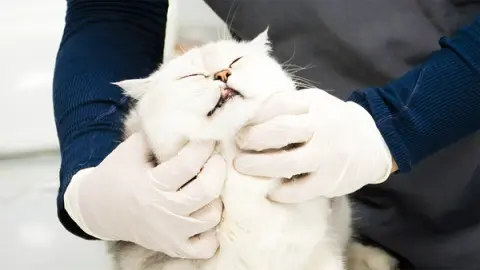
Experts recommend frequent, gentle brushing to remove loose undercoat and prevent mats. Mats not only trap heat but can also irritate the skin and make it harder for air to circulate through the coat.
In some cases, a light summer trim may be appropriate, especially for cats with very thick coats or those who struggle with self-grooming due to age, obesity, or medical conditions. However, it is important not to shave the coat too short.
A cat’s fur provides critical protection against UV radiation, temperature extremes, and minor skin injuries. Completely shaving a cat or leaving the coat extremely short can increase the risk of sunburn and skin damage.
Before making major changes to your cat’s coat, consult a professional groomer or your veterinarian. They can help you decide on a safe grooming plan that balances cooling benefits with skin protection.
5. Learn To Recognize Early Warning Signs Of Heatstroke
Cats are skilled at hiding discomfort and illness. This means that by the time obvious symptoms appear, heatstroke or dehydration may already be advanced. Pet parents should familiarize themselves with key warning signs and act quickly if they notice anything unusual.
Common signs of heat-related distress in cats include:
- Rapid, labored breathing or panting with an open mouth
- Lethargy, weakness, or reluctance to move
- Excessive drooling or thick saliva
- Noticeable decrease in appetite or water intake
- Pale, dry, or tacky gums and tongue
- Vomiting, diarrhea, or both
If you observe any of these symptoms, treat the situation as an emergency.
What To Do If You Suspect Heatstroke
If you think your cat may be experiencing heatstroke or severe dehydration:
- Move your cat immediately to a cool, shaded, and quiet area.
- Begin gentle cooling by placing cool (not ice-cold) damp towels on areas with less fur, such as the neck, armpits, and inner thighs.
- Offer cool water, but do not force your cat to drink or pour water into their mouth.
- Contact your veterinarian or the nearest emergency animal hospital right away for guidance.
During transport, you can place a towel-wrapped cold pack near the neck and inner thighs to help gradually lower body temperature. Avoid using ice directly on the skin or cooling your cat too quickly, as this can cause additional complications.
Prompt veterinary care is essential. Even if your cat seems to improve, internal organ damage from heatstroke may not be immediately visible, so professional evaluation is strongly recommended.
6. Prepare For Safe Alone Time During Hot Weather
Many pet guardians are away from home for several hours each day, especially during workdays. In summer, this makes advance planning and remote monitoring especially important to keep your cat safe while you are out.
Use Pet Cameras And Smart Devices For Peace Of Mind
More households are now using pet-specific monitoring cameras to check on their cats in real time. These devices allow you to:
- Visually confirm your cat’s behavior and comfort level during the hottest part of the day
- Monitor for unusual signs, such as excessive panting, restlessness, or hiding
- In some models, speak to your cat, dispense food, or track room temperature and humidity
Smart devices can be particularly helpful if a thunderstorm, power outage, or electrical issue causes your air conditioner to shut off. Early detection of a problem gives you the chance to return home, ask a trusted neighbor for help, or adjust your home’s settings remotely.
In addition to cameras, consider:
- Automatic feeders to maintain consistent meal times
- Backup power solutions for critical cooling equipment where feasible
- Thermometers or smart sensors that send alerts if the room temperature rises above a safe range
By building a thoughtful “safety net” for your cat, you reduce the risk of unexpected heat-related emergencies while you are away.
Protecting Your Cat Through Awareness And Preparation
High heat and humidity can turn even a short lapse in attention into a serious threat for cats. The good news is that small, consistent actions from informed pet parents dramatically reduce the risk of heatstroke and dehydration.
Focus on these core principles:
- Make water easy and appealing to drink throughout the day
- Maintain safe indoor temperature and humidity with reliable cooling
- Limit direct sun exposure and provide cool, shaded resting spots
- Support coat health with appropriate grooming, especially for longhaired cats
- Watch closely for early warning signs of distress and seek veterinary care promptly
By combining daily awareness with practical preparation, you can create a summer environment where your cat stays cool, hydrated, and relaxed. With the right safeguards in place, you and your feline family member can enjoy the warmer months together in comfort and safety, building trust and well-being that lasts all year long.
- 03.20.2026
- 06.30.2025