Indoor Cat Or Outdoor Explorer Which Life Really Keeps Your Cat Healthier And Happier
This article is an English translation of the original Japanese article. Read the original Japanese version.
Wondering if your cat would be happier roaming outdoors instead of staying safely inside Your decision can affect everything from their stress levels to how long they live Learn what research and veterinarians suggest so you can choose the safest happiest lifestyle for your cat
Key takeaways
Q. How much difference in lifespan is there between indoor and outdoor cats?
According to the survey, strictly indoor cats live about 16.34 years on average, while cats that go outdoors live about 14.24 years, a difference of more than two years.
Q. How can I prevent my indoor cat from lacking exercise?
Use cat towers, toys, puzzle feeders, and educational toys to provide enough exercise through play.
Q. If I must let my cat go outside, what minimum safety measures are necessary?
Reduce risks with microchipping, flea/tick preventives, vaccinations, keeping the cat indoors at night or in bad weather, regular checkups, and using harnesses or safe balconies.
Many pet parents eventually wonder if their cat would be happier with a taste of the great outdoors. In some countries, fully indoor cats are now the norm, while in others it is still common to see cats roaming freely outside.
So which lifestyle truly supports your cat’s long term health and happiness Experts and veterinarians increasingly agree that indoor living with the right enrichment is the safest and most welfare friendly choice for most companion cats.
How Indoor And Outdoor Living Shape Your Cats Health
When deciding between an indoor or outdoor lifestyle, it helps to start with health and lifespan. These are areas where the differences are especially clear.
Cats are territorial animals and often view everything they can see from a window as part of their domain. It is completely natural for them to show interest in what is happening outside and to appear curious or eager to explore.
Going outdoors can sometimes relieve boredom and may temporarily reduce stress related behaviors such as scratching furniture or chewing on inappropriate items. However, the health and safety risks of free roaming outdoor access almost always outweigh these short term benefits.
The Hidden Dangers Outdoor Cats Face Every Day
Cats that spend time outdoors are constantly exposed to hazards that indoor cats rarely encounter. Over time, these risks add up and can significantly shorten a cat’s life.
One of the most serious threats is traffic. Collisions with cars, motorcycles, or even bicycles can cause fatal injuries in an instant. Many outdoor cats never make it to a veterinary clinic after such accidents.
Infectious disease is another major concern. Through fighting, mating, or even casual contact with unfamiliar cats, outdoor cats are at increased risk of contracting feline immunodeficiency virus FIV and feline leukemia virus FeLV, both of which can be life limiting and are not curable once acquired.
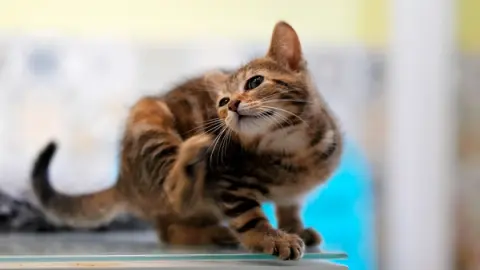
External parasites are also far more common in outdoor cats. Fleas, ticks, and mites can cause intense itching, skin infections, anemia, and can transmit other diseases. Intestinal parasites are frequently picked up from soil, prey animals, or contaminated water.
Fighting related injuries are another everyday risk. Bite wounds and scratches can become abscessed, and bacteria introduced through these injuries may spread infection throughout the body. Repeated conflicts can also create chronic stress and anxiety.
Predators and other wildlife can pose serious danger as well. In some regions, crows, raccoons, foxes, coyotes, or other wild animals may attack or injure cats, especially kittens, seniors, or cats with health issues.
Environmental conditions outdoors can be harsh and unpredictable. Heatwaves, freezing temperatures, heavy rain, and storms all place extra strain on a cat’s body. Prolonged exposure to extreme weather can lead to dehydration, heatstroke, hypothermia, or respiratory illness.
There is also the risk of poisoning or accidental ingestion. Outdoor cats may chew on toxic plants, lick or walk through chemical substances such as antifreeze or pesticides, or rummage through garbage and consume spoiled food or sharp objects. Any of these can cause severe illness or sudden death.
For stray or lost cats without reliable access to food, the situation is even more challenging. Constantly searching for something to eat means they may survive on poor quality or contaminated food. Over time, chronic undernutrition weakens the immune system and makes these cats far more vulnerable to disease.
Are Indoor Cats Completely Risk Free
Indoor only cats are far safer overall, but they are not entirely without risk. The main challenge for many indoor cats is insufficient physical and mental stimulation.
Limited space and a lack of opportunities to climb, chase, and explore can lead to reduced activity levels. Over time, this can contribute to obesity, diabetes, arthritis, and heart disease, all of which are increasingly common in indoor companion cats.
The good news is that these issues are highly preventable when pet guardians take a proactive approach to enrichment and exercise. With thoughtful planning, an indoor environment can be both safe and deeply satisfying for your cat.
Consider incorporating some of the following strategies into your home
- Vertical spaces such as cat trees, shelves, or window perches to encourage climbing and jumping
- Interactive play sessions with wand toys, balls, or chase toys to mimic hunting behavior
- Food puzzles or slow feeders that turn mealtime into a stimulating search and problem solving activity
- Rotating toys and hiding spots to keep the environment fresh and interesting
- Safe window views or cat TV style videos to satisfy your cat’s curiosity about the outside world
Many pet parents also find that modern cat enrichment toys and puzzle feeders help keep indoor cats engaged and mentally sharp, reducing boredom and stress.
Lifespan Differences Between Indoor And Outdoor Cats
Research consistently shows that cats with outdoor access tend to have shorter lifespans than indoor only cats.
According to a 2024 survey by the Japan Pet Food Association, the average lifespan of strictly indoor cats was approximately 16.34 years. In contrast, cats that were allowed outdoors at least some of the time lived an average of about 14.24 years.
A difference of more than two years may not sound dramatic at first, but when converted into human years, it is often compared to a gap of over a decade. For pet guardians who hope to share as many healthy years as possible with their cats, this is a difference that cannot be ignored.
If Your Cat Must Go Outside How To Reduce The Risks
In some households or living situations, keeping a cat 100 percent indoors may feel difficult. If your cat does have outdoor access, it is essential to minimize the risks as much as possible.
First, permanent identification is critical. Microchipping is strongly recommended for all cats, and in some regions it is already mandatory for animals sold by breeders or pet shops. A microchip dramatically increases the chances of being reunited with your cat if they become lost or injured.
Second, regular flea and tick prevention is non negotiable for outdoor cats. Your veterinarian can recommend safe, effective products and an appropriate schedule based on your cat’s weight, health, and local parasite risks.
Vaccinations should also be kept strictly up to date. In particular, protection against FIV and FeLV where available and appropriate, as well as core vaccines recommended in your region, is crucial. Once infected with these viruses, cats cannot be cured, so prevention is far better than treatment.
Whenever possible, bring your cat indoors during nighttime and severe weather. Many traffic accidents and wildlife encounters occur after dark, and storms or extreme temperatures can quickly compromise your cat’s health. Even partial indoor time during high risk periods can significantly reduce danger.
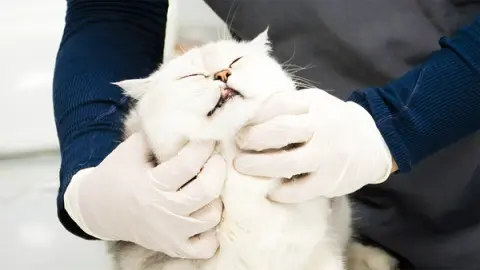
Routine veterinary checkups are especially important for cats that go outdoors. Regular exams and screening tests help detect injuries, infections, parasites, and chronic diseases early, when treatment is more likely to be successful.
If you want your cat to enjoy the sights, sounds, and smells of the outdoors more safely, consider controlled alternatives such as
- A secure catio or screened balcony
- A fenced yard with cat proof barriers
- Supervised outdoor time using a well fitted cat harness and leash
These options allow your cat to experience fresh air and natural stimulation while you maintain far greater control over their safety.
Creating A Safe Happy Life For Your Cat
Some people still believe that true feline happiness requires free outdoor roaming. However, when health, safety, and emotional wellbeing are all considered together, a thoughtfully enriched indoor lifestyle is generally the best choice for companion cats.
If you do choose to allow outdoor access, commit to robust safety measures and consistent veterinary care. Your cat depends on you to balance their curiosity and desire for exploration with the realities of modern hazards.
Take this opportunity to look closely at your current setup. Could your indoor environment offer more climbing opportunities, more play, or more mental challenges Are your identification, vaccines, and parasite preventives fully up to date
By making informed, proactive choices today, you can build a safer, richer, and more comfortable life for your cat and enjoy many more years together as trusted companions.
- 03.20.2026
- 06.11.2025