Why Regular Milk Is Unsafe For Cats And Healthier Ways To Offer Them Milk
This article is an English translation of the original Japanese article. Read the original Japanese version.
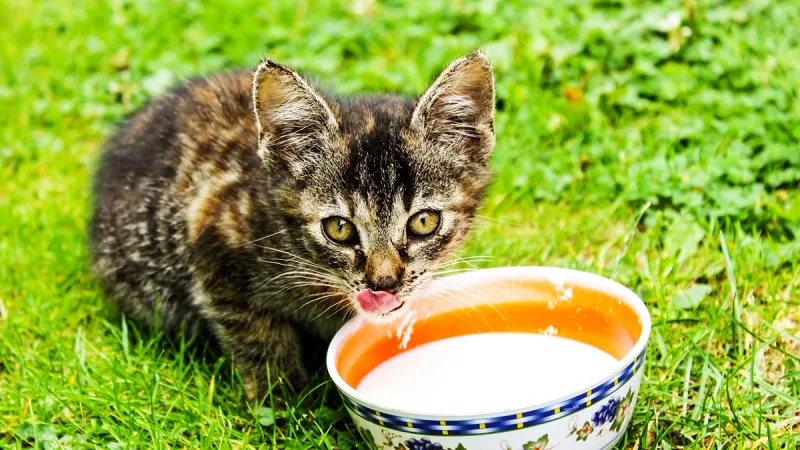
Many pet parents still picture a happy cat lapping up a saucer of milk, but for most cats that image is more myth than reality. Learn why cow’s milk and other dairy products can upset your cat’s health and what safer, cat-friendly milk options experts recommend instead.
Key takeaways
Q. Why shouldn't cats be given cow's milk?
Many cats lack enough lactase to digest lactose, so cow's milk can cause lactose intolerance with indigestion, diarrhea, and vomiting.
Q. Why should even kittens be given cat milk instead of cow's milk?
Kittens have enzymes for queen's milk, but cow's milk differs in lactose and fat types and is harder to digest, so specialized cat milk is more suitable.
Q. Why should dairy products like cheese and butter also be avoided for cats?
Cheese and butter are high in salt and fat, which can strain the kidneys and increase risks of obesity and pancreatitis in cats.
Why Most Adult Cats Should Not Drink Cow’s Milk
From a veterinary perspective, cow’s milk is not an appropriate drink for most cats, especially adult cats. The main issue is a natural sugar in milk called lactose.
Lactose is normally broken down in the small intestine by an enzyme called lactase. Many cats, however, produce very little lactase once they are past the early kitten stage, which means they cannot properly digest lactose. As cats grow from kittens into adults, lactase levels typically decline, increasing the risk that undigested lactose will cause digestive upset.
When lactose is not broken down, it passes into the large intestine, where it draws water into the gut and is fermented by bacteria. This process can easily lead to gastrointestinal problems, even if your cat seems to enjoy the taste of milk.
Lactose Intolerance And Digestive Upset
The collection of symptoms caused by an inability to digest lactose is known as lactose intolerance. In cats, this can lead to digestive issues such as diarrhea, soft stools, gas, abdominal discomfort, and sometimes vomiting.
Some pet parents assume that if their cat does not show obvious symptoms right after drinking milk, it must be safe. In reality, subtle or delayed signs of discomfort are easy to miss, and the cat’s intestinal environment may still be negatively affected over time.
Even when you do not see visible diarrhea, undigested lactose can disrupt the balance of gut bacteria and irritate the intestinal lining. For this reason, experts recommend avoiding cow’s milk as a routine treat, even for cats that appear to “tolerate” it.
Why Even Kittens Should Not Drink Cow’s Milk
It is easy to assume that milk is ideal for kittens, but cow’s milk is not a safe substitute for a mother cat’s milk. While young kittens do produce more lactase than adult cats, that enzyme system is specifically adapted to digest their own mother’s milk, not dairy from another species.
Compared with feline milk, cow’s milk contains a different balance of lactose, protein, and fat, and the fat types themselves are not the same. The higher lactose content and mismatched fat profile can be difficult for a kitten’s digestive system to handle, especially if the kitten is already stressed, underweight, or recovering from illness.
For orphaned kittens or kittens who cannot nurse adequately, veterinarians recommend commercial kitten milk replacers formulated specifically for cats, not cow’s milk or homemade mixtures. These products are designed to mimic the nutritional profile of a queen’s milk as closely as possible.
The Hidden Risks Of Cheese, Butter, And Other Dairy
Many pet guardians wonder whether other dairy products are safer than milk. While some may contain less lactose, cheese, butter, and similar foods still pose important health risks for cats.
Cheese May Be Lower In Lactose But Still Problematic
During the cheese-making process, much of the lactose is broken down or removed, so cheese often causes fewer immediate lactose-related issues than liquid milk. However, this does not make cheese a healthy snack for cats.
Most cheeses are high in fat and salt, and both can be harmful in feline diets when given as treats.
- Excess salt can place unnecessary strain on the kidneys and cardiovascular system.
- High fat intake contributes to weight gain and obesity, which in turn increases the risk of diabetes, joint problems, and other chronic conditions.
In some cases, very fatty foods can also trigger or worsen pancreatitis, an inflammatory condition of the pancreas that can be painful and potentially serious. Because of these risks, experts generally advise avoiding cheese as a regular treat for cats.
Butter And Margarine Are Especially High Risk
Butter is essentially concentrated animal fat with only minimal lactose. While the low lactose content might sound like an advantage, the extremely high fat content is a major concern.
When cats eat butter, their digestive system must suddenly handle a large load of fat. This can overwhelm the pancreas and digestive tract, increasing the risk of vomiting, diarrhea, and pancreatitis. Even small amounts given repeatedly can contribute to unhealthy weight gain and long-term metabolic issues.
Margarine and butter-flavored spreads are not safer alternatives. They often contain high levels of processed fats, artificial flavors, and other additives that are not appropriate for feline digestion. From a health and safety standpoint, pet parents should avoid offering butter, margarine, or butter-flavored foods to cats.
When Milk Is Needed Choose Cat-Specific Milk
In some situations, milk-like products can be helpful. For example, very young kittens, senior cats with dental disease, or cats with painful mouth conditions such as stomatitis may struggle to eat solid or even some wet foods. In these cases, a carefully chosen liquid nutrition source can support hydration and calorie intake.
Fortunately, there are now many cat-specific milk products available. These are very different from regular cow’s milk. Most are formulated with reduced or removed lactose, and some include beneficial ingredients such as added vitamins, minerals, or probiotics like Bifidobacterium to support digestive health.
When selecting a cat milk product, pet guardians should:
- Choose formulas labeled specifically for cats or kittens, not generic pet milk.
- Check that lactose has been reduced or removed, especially for adult cats.
- Follow the feeding guidelines on the package and adjust based on your veterinarian’s advice.
For kittens who cannot nurse from their mother, a veterinary-recommended kitten milk replacer is essential. For adult cats who need extra hydration or calories, a lactose-free cat milk can sometimes be used as a supplemental treat, but it should not replace balanced, complete cat food.
Caring For Your Cat By Rethinking Dairy
The image of a cat happily drinking a bowl of milk is charming, but modern veterinary knowledge makes it clear that cow’s milk and most dairy products are not safe everyday treats for cats. Some cats will develop obvious diarrhea or vomiting after even a small amount, while others may show no clear symptoms yet still experience internal stress on their digestive system.
As a pet parent, one of the most loving choices you can make is to avoid offering cow’s milk, cheese, butter, margarine, and other dairy products, and instead rely on nutritionally balanced cat food and veterinarian-approved treats. If you ever feel that your kitten or adult cat truly needs a milk-like supplement, select a product formulated specifically for cats and discuss the plan with your veterinarian.
By understanding the risks of dairy and choosing safer alternatives, you are protecting your cat’s digestive health, supporting their kidneys and pancreas, and helping them maintain a healthy weight. These thoughtful decisions today can contribute to a more comfortable, energetic, and happy life for your feline companion.
Your Next Step Toward Healthier Treat Choices
Going forward, consider replacing traditional dairy treats with cat-safe options that are easier on your cat’s stomach and better for their long-term health. Keep fresh water available at all times, rely on complete and balanced cat food as the foundation of their diet, and reserve any milk-like products for special situations under veterinary guidance.
By staying informed and making intentional choices, pet guardians can build a lifetime of trust and well-being with their cats, one safe treat at a time.
- 03.20.2026
- 06.03.2025