Safe Vegetables for Rabbits and How Much to Feed for Healthy Digestion
This article is an English translation of the original Japanese article. Read the original Japanese version.
Not every “healthy” vegetable is safe for rabbits, and even good options can cause problems if you overdo it. Learn which veggies rabbit experts actually recommend, how much to offer, and how to use fresh foods to support—not replace—your rabbit’s hay-based diet.
In many storybooks, rabbits are inseparable from carrots. In real life, though, feeding vegetables takes a bit more science. Just as fish is not automatically the best choice for every cat, not every vegetable is a safe or appropriate option for your rabbit.
Choosing the wrong vegetables or offering them in the wrong amounts can upset your rabbit’s digestion and, in serious cases, lead to illness. Understanding which vegetables are safe, how much to feed, and how often to offer them helps pet parents support their rabbit’s health with confidence.
Do Rabbits Really Need Vegetables
For companion rabbits, high quality grass hay such as timothy should always be the main food. Fresh vegetables are best thought of as a supplemental food, not the foundation of the diet.
Vegetables provide important vitamins, minerals, and moisture, and they can play a valuable role in supporting a balanced, varied eating pattern. However, when rabbits eat too many vegetables, especially all at once, they are more likely to experience digestive upset, gas, or diarrhea.
Young rabbits, particularly those under about six months of age, have more delicate digestive systems. Many rabbit-savvy veterinarians recommend introducing vegetables very gradually and a bit later for these youngsters, and monitoring closely for any soft stools or changes in appetite.
How To Tell Safe Veggies From Unsafe Ones
As a general guideline, good rabbit vegetables are relatively high in fiber and not excessively high in water or sugar. Leafy greens and fibrous stems tend to be better choices than starchy roots or very watery salad vegetables.
Conversely, vegetables that are high in sugar, very starchy, extremely watery, or known to contain toxins for rabbits should be avoided. Some of these are dangerous even in small amounts.
Vegetables Commonly Considered Safe
The following vegetables are widely used by experienced rabbit guardians and are generally considered appropriate when fed in moderation and as part of a varied rotation:
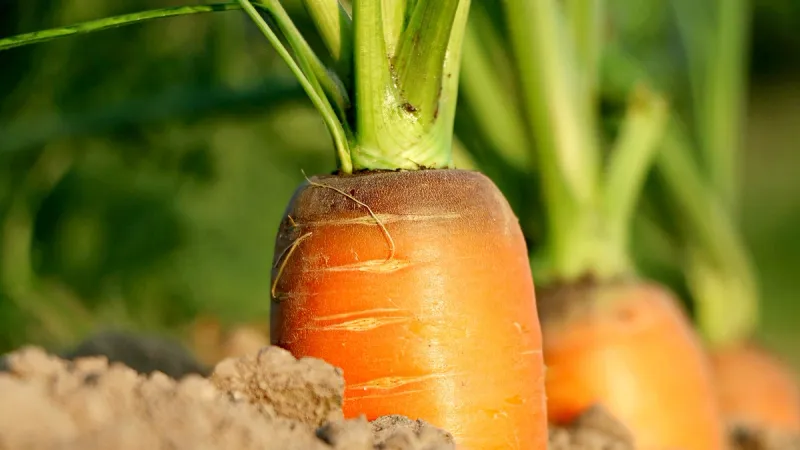
- Carrot and carrot tops
Carrot roots are higher in sugar, so they are best treated as a small treat. The leafy tops are usually a better everyday option. - Komatsuna (Japanese mustard spinach)
A nutrient-dense leafy green that can be rotated with other greens. - Bok choy and other similar Asian greens
Offer mostly the leafy parts and introduce slowly to check for gas. - Cilantro (coriander leaves)
Many rabbits enjoy the aroma, and it can be a nice part of a mixed greens plate. - Celery
Cut into short pieces to avoid long strings and offer mainly the stalks and leaves. - Leaf lettuce varieties such as butterhead or loose-leaf lettuce
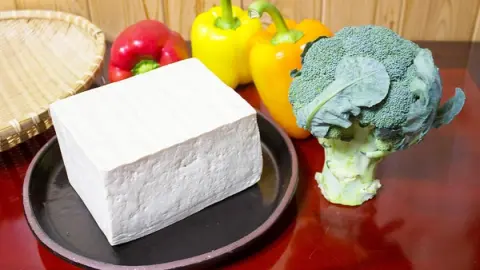
These are generally safer than crisphead types when fed in moderation. - Broccoli leaves and stems
Some rabbits tolerate these well, but because cruciferous vegetables can cause gas, introduce them slowly and in small amounts.
Whenever you add a new vegetable, start with a very small portion and watch your rabbit’s stool, appetite, and energy level for at least 24 hours.
Vegetables That Require Caution or Should Be Avoided
Some vegetables may look healthy to humans but are not ideal—or are outright dangerous—for rabbits. Experts recommend treating the following with extra care:
- Cabbage
Small amounts may be tolerated by some rabbits, but it can cause gas and bloating. If you offer it at all, keep the portion very small and infrequent, and avoid it entirely if your rabbit has a sensitive digestive system. - Lettuce with very high water content, especially iceberg
Iceberg lettuce is mostly water and offers little nutrition. It can contribute to digestive upset and is best avoided. - Spinach
Spinach is high in oxalates, which may contribute to urinary issues when fed frequently. If you include it, keep it to very small portions and rotate with other greens, rather than offering it daily. - Potatoes
White potatoes and their peels are not appropriate for rabbits. They are starchy and can disrupt the gut flora. Do not offer them. - Onion, green onion, garlic chives, and related allium vegetables
These plants contain compounds that are toxic to rabbits and can damage red blood cells. They should never be fed in any amount. - Avocado
Avocado contains fats and substances that are considered unsafe for many animals, including rabbits. It is not an appropriate treat and should be strictly avoided.
Because some problematic vegetables look harmless, always verify safety with a reliable rabbit-specific resource or a rabbit-savvy veterinarian before introducing anything new.
How Much And How Often To Feed Vegetables
For healthy adult rabbits, many experts suggest thinking of vegetables as a daily treat or side dish, not the main course. Hay should be available at all times, and pellets should be measured according to your veterinarian’s guidance.
As a rough guideline, about 30 to 50 grams of fresh vegetables per kilogram of body weight per day is often recommended. For example, a rabbit weighing around 1.5 kilograms might receive approximately 50 to 70 grams of mixed vegetables in a day.
Within that amount, it is helpful to offer a variety of safe greens rather than a large portion of just one type. Mixing two or three different leafy vegetables can provide a broader range of nutrients and reduce the risk of overdoing any single compound, such as oxalates.
Whenever you introduce a new vegetable, begin with a very small piece and increase gradually over several days. If you notice soft stools, decreased appetite, unusual lethargy, or signs of gas or discomfort, stop that vegetable and consult a veterinarian.
This cautious approach is especially important for young rabbits and seniors, whose digestive systems can be more sensitive.
Why A Vegetable-Heavy Diet Is Not Enough
Some pet parents are tempted to feed “only fresh vegetables” because it sounds natural and healthy. For rabbits, however, a vegetable-centered diet can easily become unbalanced and may lead to serious health issues over time.
While vegetables do contain fiber, they do not match the high, coarse fiber content of grass hay. Rabbits are hindgut fermenters designed to process large amounts of roughage. When they do not eat enough hay, they are at higher risk for overgrown teeth, reduced gut motility, gastrointestinal stasis, and obesity.
Rabbit teeth grow continuously throughout life, and the repetitive chewing of hay helps wear them down naturally. Vegetables alone usually do not provide the same grinding action. Over time, this can result in sharp points or malocclusion, which may require veterinary dental procedures.
To support long-term health, it is helpful to think of hay as the foundation, pellets as a controlled supplement, and vegetables as a flavorful, nutritious bonus. This structure aligns with how rabbits’ digestive systems have evolved to function.
Using Vegetables As A Plus For Your Rabbit’s Wellbeing
When chosen and offered thoughtfully, vegetables can be a powerful “plus” in your rabbit’s daily routine, adding variety, hydration, and enrichment. The key is to keep hay at the center of the diet and to use vegetables strategically rather than generously.
Aim for a routine where unlimited grass hay is always available, pellets are measured according to your rabbit’s age and health needs, and a modest portion of safe, varied vegetables is offered once or twice a day. This balanced approach supports healthy digestion, dental wear, and an ideal body condition.
Remember that what seems healthy for humans is not always appropriate for a herbivore like a rabbit. By respecting these differences and making informed, evidence-based choices, pet parents can protect their rabbit’s health while still enjoying the fun of sharing fresh foods.
With each measured handful of greens and every refill of the hay rack, you are building a foundation for a longer, more comfortable life for your rabbit. Thoughtful feeding is one of the most meaningful ways to be a reliable, caring guardian for your small companion.
- 03.02.2026
- 05.04.2025